
By Rodney Contois, Director, Aki Foods Inc.
January 8, 2026
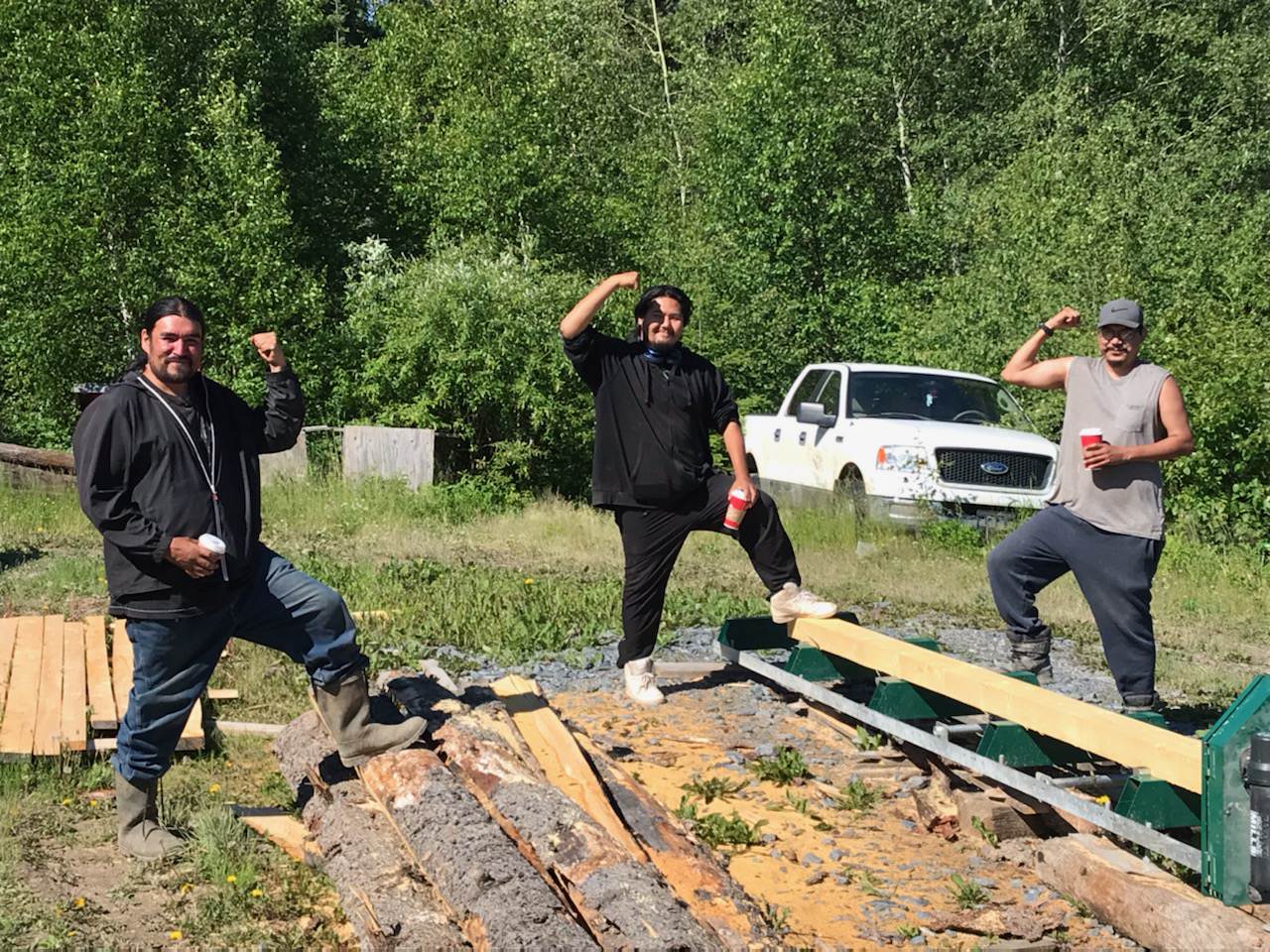
Photo: Garden Hill First Nation
Aki Foods Inc. is a non-profit Indigenous social enterprise committed to creating more locally sustainable food economies in remote northern Manitoba First Nations, including Garden Hill First Nation. Kinvia has supported Aki Foods’ Meechim Project in Garden Hill since 2017.
I sat down with Peter, now in his second year as a farm worker with The Meechim Project, who explained how his life has been changed by this project. Before joining the farm crew, Peter was socially isolated. He was withdrawn and rarely left his home. In his own words, "My life changed for sure. I was shut in before... I couldn’t even leave the house." This isolation prevented him from participating in community life and employment, limiting his opportunities for personal growth and connection.
The farm has provided him with a structured, supportive reason to re-engage with the world outside his door. The daily routine and tangible responsibilities of being part of the farm crew have been transformative. "I feel better working at the farm," he explained. "Now I go out every day, I’m helping out, I’m working." He has found a sense of purpose and pride in his work, taking enjoyment in specific tasks like "the weeding, using the big hose. And the chickens, but they’re stinky a little."
The transformation was driven by a combination of structured, supportive employment and the inherently purposeful nature of agricultural work.
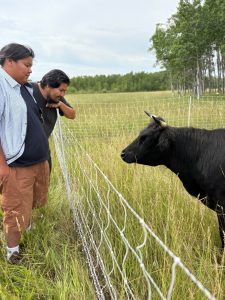
Farm crew team members, Peter (front left) with Chapman (back right).
First, the program provided a consistent daily routine and a clear set of responsibilities. Through formal seasonal employment, Peter was supported in developing crucial life skills.
The simple act of needing to get up and be at the farm at a set time each morning helped him break the cycle of isolation. He consistently showed up and took on the day's tasks, rebuilding his confidence and sense of normalcy.
Second, the work itself provided a deep sense of purpose. Peter wasn't just asked to do a task; he was an essential part of a team working to solve a major community problem. He was involved in every step of the food production process — from tilling the soil and planting seeds to weeding the gardens and caring for the poultry. This hands-on, productive work allowed him to see the tangible results of his efforts every day. As the plants grew and the chickens thrived under his care, he was able to witness his labour transforming into nutritious food for his community, which fostered the immense pride and motivation he needed to continue on his new path.
Peter’s story demonstrates how individual capacity strengthening in a place with few economic opportunities can have community-wide impacts. In the wider context, Peter is now an active participant in tackling Garden Hill's critical food security and health issues. His transformation proves that this project doesn't just grow food — it cultivates hope, restores purpose, and empowers people to become part of their community's healing.
WANT TO LEARN MORE AND GROW COMMUNITY HEALING?
- Let’s Get Growing: Decolonizing Canada’s Northern Food Systems — In this topic brief, explore how communities are advancing food security across northern Canada.
- Read our blog Food Forests: A Space for Growth and Healing — to learn how food forests are restoring connection to land and culture.
- Your support makes Indigenous-led food sovereignty and skill-building opportunities possible — donate today.
-


