March 20, 2025

Indigenous Nations across Turtle Island (Canada) are strengthening their holistic health by addressing community needs and implementing solutions that promote well-being. Despite this, Type-1 and Type-2 Diabetes remain a prevalent health challenge in many Indigenous communities. Colonial and racist policies imposed on communities, combined with limited access to nutritious food, have significantly contributed to the increased genetic risk faced by Indigenous populations.

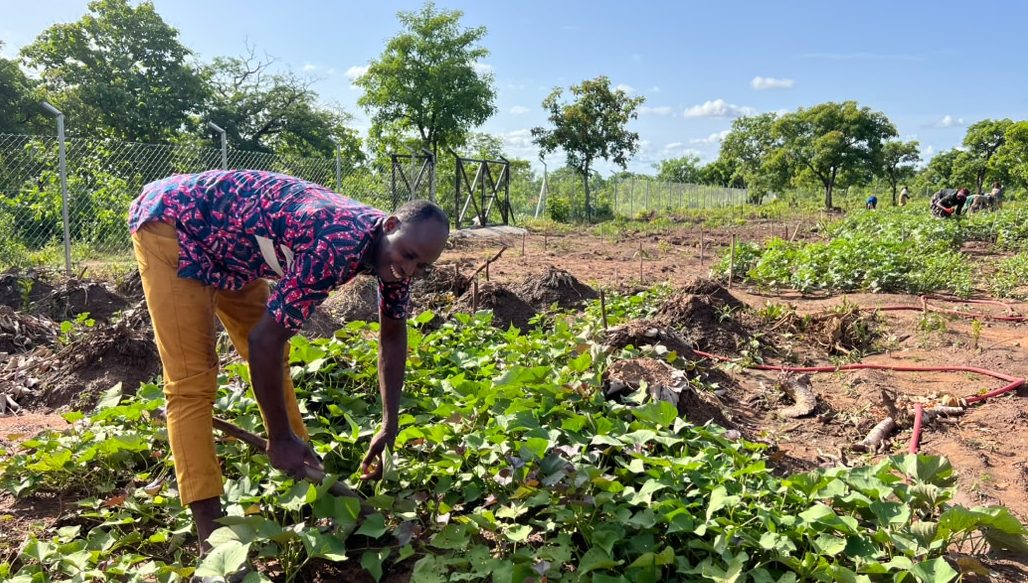
Photo: Atikameg (Whitefish First Nation)
Type 1 Diabetes is an autoimmune disorder that prevents the body from producing insulin, while Type 2 Diabetes occurs when the body either produces insufficient insulin or becomes resistant to it.
As of March 2025, Type-1 and Type-2 Diabetes affect:
- 17.2% of First Nations individuals living on-reserve
- 12.7% of First Nations individuals living off-reserve
- 4.7% of Inuit people
- 9.9% of Métis people
- 5.0% of the general population1
In addition to these higher rates, Indigenous Peoples who are diagnosed with diabetes at a younger age have more severe symptoms when diagnosed, face higher rates of complications, and experience poorer treatment outcomes.1 This stark disparity has driven communities to take action, creating their own pathways to combat the disease and restore health and well-being.
Across the country, Indigenous communities are leading a variety of programs to address food insecurity and improve health outcomes, including the establishment of 365-day greenhouses, food forests, and land-based nutrition education. These efforts are driven by Indigenous knowledge and leadership. We are grateful to our donors for enabling us to support these community-led solutions, amplifying the voices and visions of Indigenous Peoples as they create a future where diabetes is no longer a barrier to health, well-being, and traditional ways of life.
Indigenous Relationship to Food
The Indigenous worldview is deeply rooted in a reciprocal relationship with the land, recognizing the interconnectedness of all living beings - humans, animals, and plants.
Before colonization, Indigenous nations thrived as farmers, hunters, gatherers, and fishers, taking only what was necessary to sustain their families and communities while maintaining balance with the natural world. Indigenous food systems were deeply resilient, with nations like the Anishinaabe traditionally harvesting a diverse range of plants, including nuts, berries, greens, onions, leeks, corn, and squash.2 Some plants are harvested with a story, a deeper meaning. For the Anishinaabe, “strawberry” is called ode'imin in Anishinaabemowin, translating to “heart berry” referring to the human heart. Some understand the Berry as love, forgiveness, and peace.3

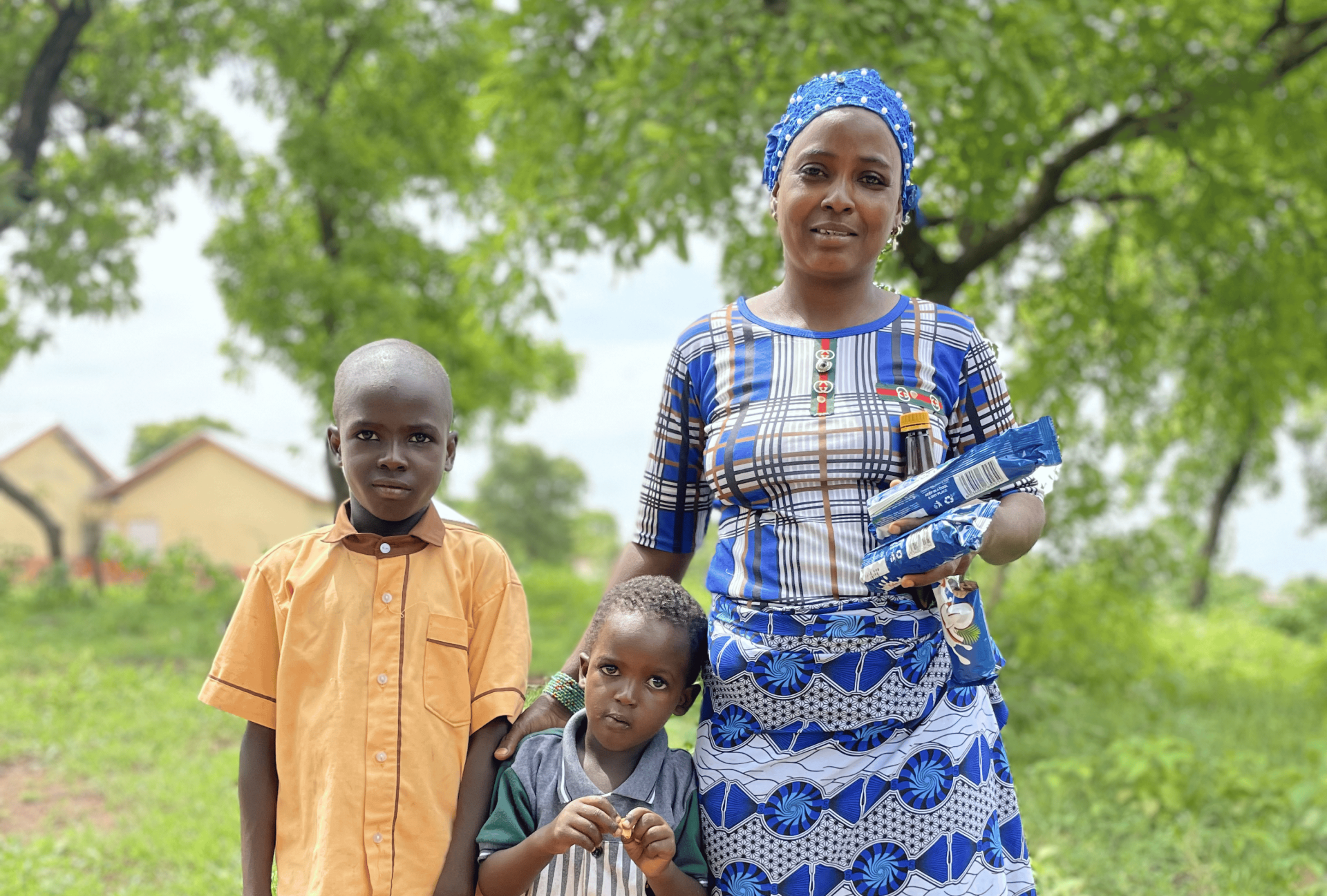
Photo: Neyaashiinigmiing (Chippewas of Nawash Unceded First Nation)
However, colonization drastically changed the Indigenous relationship to land. Forced displacement from their traditional lands and the loss of food sovereignty led to reliance on government rations, which were high in processed foods and sugars. Many of the government’s colonial assimilation policies, institutions, and circumstances further undermined Indigenous access to whole healthy and cultural food, eroding food systems that had once sustained entire nations.
Residential Institutions (Schools) also inflicted lasting trauma. Children experienced malnutrition and hunger, enduring harsh and inhumane conditions.4 The Mohawk Institute (1828-1970) in Brantford, Ontario, known to Indigenous communities as the “Mush Hole”, due to the poor-quality porridge they were given, filled with worms and lacking proper nutrition. Alongside Residential Institutions (Schools), the Sixties Scoop and Indian hospitals subjected individuals to forced removal, medical experimentation, and inadequate healthcare. These events compounded the negative health outcomes that continue to affect Indigenous nations today.
Barriers to Health and Food Security in Indigenous Communities
The impacts of colonialism continue to shape the realities of Indigenous communities today, especially in relation to food insecurity and limited access to affordable, nutritious food.
Many remote communities face geographic isolation, making it difficult to access fresh produce. High transportation costs only exacerbate these challenges, further limiting access to healthy food options and contributing to the rise in chronic diseases like diabetes.
Additionally, systemic barriers in healthcare, including a geographic isolation, a shortage of healthcare professionals, and a lack of culturally relevant medical support, prevent many Indigenous peoples from accessing appropriate care.
What further complicates these challenges is a deep mistrust in the healthcare system, a result of historical injustices such as forced removal, medical experimentation, and mistreatment in Residential Institutions. This trauma, passed down through generations, has made it difficult for many Indigenous peoples to seek medical care or trust healthcare providers. As a result, efforts to address health challenges like diabetes are often met with reluctance, and the broader health system struggles to engage effectively with Indigenous communities.
Community-led Solutions for Diabetes Prevention
Despite these challenges, Indigenous communities are embracing sustainable agricultural practices and traditional food systems to prevent diabetes and promote holistic health.
 With funding from the Public Health Agency of Canada (PHAC), and as one of seven finalists in the Type 2 Diabetes Prevention Challenge, Kinvia is working alongside six Indigenous communities to increase access to fresh, nutrient-dense food through 365-day greenhouses. These year-round greenhouses are designed to grow over 350 crop varieties in any climate, addressing key barriers to Type 2 Diabetes prevention, such as food insecurity and short growing seasons. Over the past few months, three greenhouses have been successfully installed in Waywayseecappo First Nation, Elsipogtog School, and Beardy’s & Okemasis’ Cree Nation. As the project continues, Kinvia will support communities in leading their own greenhouse initiatives, incorporating traditional growing methods and nutrition education to strengthen long-term health outcomes.
Ryan, a teacher at Elsipogtog School, tells us that many of his students have a direct family member living with Type 2 Diabetes, and the local grocery store struggles to compete with larger stores in Moncton, leading to expensive and often wilting produce that is not widely used in the community. Many of his students have never even tried certain vegetables, an indication many families have not been exposed to healthy, fresh foods and, as a result, do not know how to incorporate them into their diets.
Ryan believes the greenhouse will help change this. By using the greenhouse to not only grow a variety of produce year-round but as a hub for workshops, Ryan hopes to encourage healthier eating habits in the community.
With donor support, communities are leading other projects as well. For example, Ahtahkakoop Cree Nation, with its uniquely young and growing population, has made significant strides with their food forest. The 15-acre site now includes a traditional medicine garden with sweetgrass, sage, and other sacred herbs, and an abundance of fresh produce such as corn and potatoes. These foods and medicines play a vital role in improving diet quality and supporting a healthy lifestyle, essential for diabetes prevention.

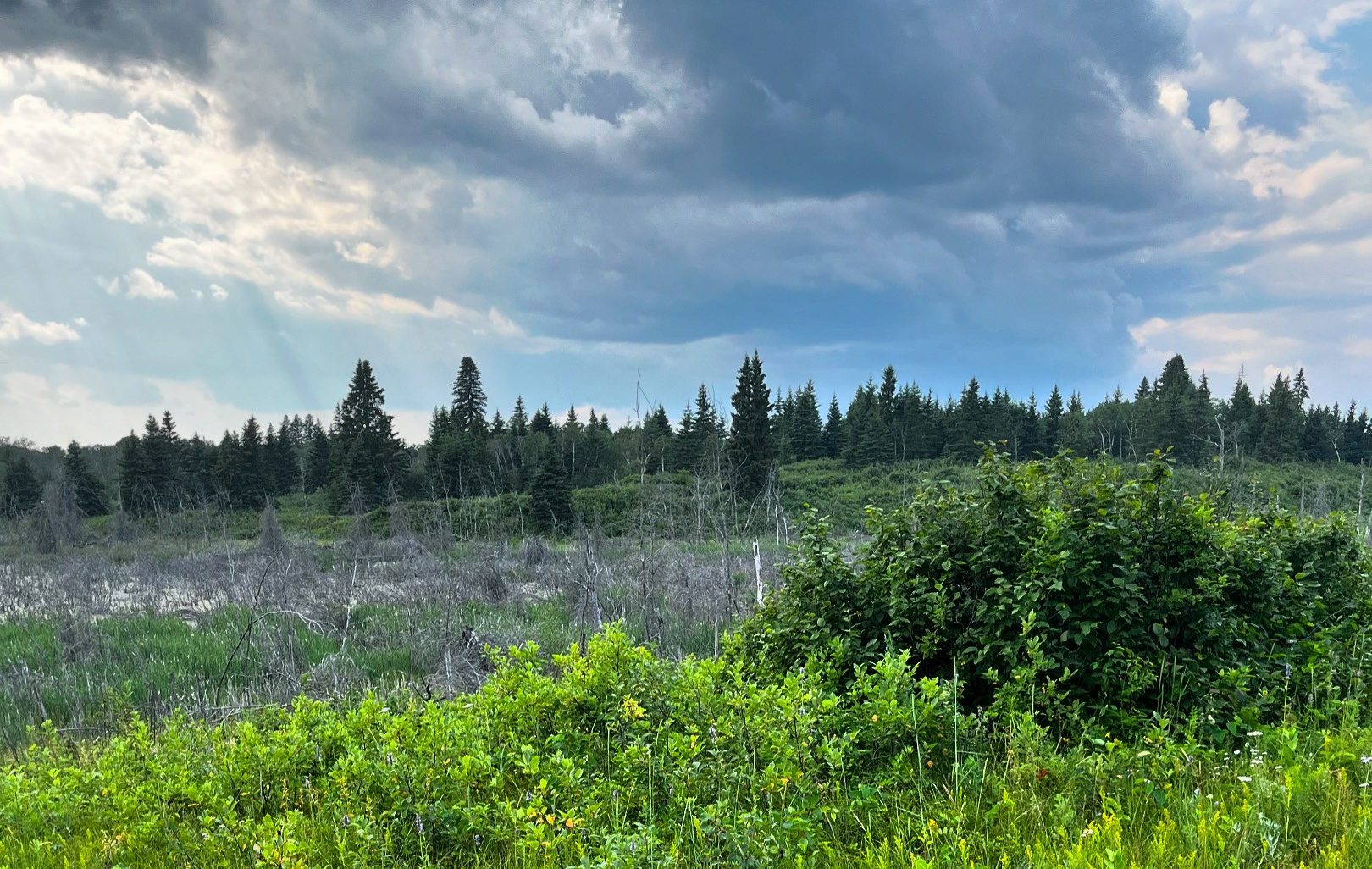
Photo: Ahtahkakoop Cree Nation
As Shalean Morin, the Lands and Agricultural Development Manager, explains, “We’re taking all of that traditional knowledge and bringing it back so we can return to being producers, not consumers. Getting connected back to Mother Earth, walking barefoot, hearing the beat of Mother Earth, being able to taste, feel, smell, and just really get that connection back with the land. It’s where healing starts.”
Similarly, despite facing diabetes rates 400 to 500 times higher than the national average, Garden Hill First Nation, a fly-in Oji-Cree community, has established a thriving food market, a healthy food canteen, and a 13-acre farm that produces hundreds of pounds of organic food each year.
One memorable moment was when children were surprised to learn that what they ate came from plants that sprang from the ground. Soon, these children had spread across the garden and were picking and eating pea pods. This experience helped spark a newfound interest in fresh fruits and vegetables, reinforcing the importance of land-based nutrition education as part of a diabetes prevention strategy.
Strengthening Pathways to Wellness
Indigenous communities have long been at the forefront of food sovereignty, drawing on cultural knowledge and practices to foster holistic well-being. By supporting initiatives like greenhouses, food forests, and community gardens, we are not only addressing immediate health needs but also empowering communities to take back control of their food systems and shape their futures. Through these innovative community-led initiatives, we honour Indigenous leadership and continue to strengthen pathways toward lasting wellness, ensuring future generations have access to the nutritious foods and resources they need to thrive.
WANT TO LEARN MORE?
- Be the first to hear about our progress with the Type 2 Diabetes Prevention Challenge and other community-led initiatives by subscribing to our newsletter.
- Your support makes projects like these possible. Donate today to help expand year-round greenhouses and ensure more Indigenous communities have access to fresh, nutrient-dense food.
- Cultivating Health and Growth: Launch of the Project Under the Type 2 Diabetes Prevention Challenge with Indigenous Partners
- Kinvia Announced as Finalist in Type 2 Diabetes Prevention Challenge
- Ahtahkakoop’s Food Forest: Reviving Traditions, Building Community
- Garden Hill’s journey to food sovereignty
Footnotes:
¹ Diabetes Canada. Indigenous Communities and Diabetes. Available at: https://www.diabetes.ca/resources/tools---resources/indigenous-communities-and-diabetes.
² University of Washington. An Exploration into Anishinaabe Food Systems Featuring an Adaptation of Freddie J. Bitsoie’s Recipe for Manoomin Rice Cakes. Available at: https://smea.uw.edu/currents/an-exploration-into-anishinaabe-food-systems-featuring-an-adaptation-of-freddie-j-bitsoies-recipe-for-manoomin-rice-cakes.
³ Wabano Centre for Aboriginal Health. Strawberry Teachings. Available at: https://wabano.com/wp-content/uploads/2020/08/Strawberry-Teachings--ENG--FR.pdf.
4 Mosby, I., & Galloway, T. "Hunger was never absent": How residential school diets shaped current patterns of diabetes among Indigenous peoples in Canada. CMAJ. Available at: https://doi.org/10.1503/cmaj.170448.