August 2, 2024

“Youth are the future.” This enduring belief underscores the transformative impact of investing in the next generation. By nurturing young people today, we unlock their potential to address the pressing challenges of tomorrow.
In today’s world, where climate change and food insecurity pose growing threats, connecting youth to the land is more crucial than ever. By engaging with the land, they gain insights into growing healthy foods and practicing stewardship, which not only supports their mental health and self-esteem but also instills a sense of responsibility.
In Indigenous teachings, both youth and Elders hold significant positions within their communities, engaging in a continuous process of learning, unlearning, and re-learning from one another. By honoring and supporting this dynamic, we empower youth to assume their rightful place in maintaining balance and driving progress across Turtle Island and beyond.
LAND AS A CLASSROOM
Many educational systems prioritize texts through school curricula, and while this is important, it is not the only method of teaching. Indigenous communities around the world use the land as a classroom to educate young people.
Through connecting to the land, youth worldwide reap the benefits of improved mental health, higher self-esteem, a sense of responsibility, cultural understanding of their environment, and even potential career developments. It restores knowledge systems and sets them up for success as young leaders.
NUTRITION FROM THE GROUND UP

Connecting to the land through a growing and flourishing garden cultivates a sense of personal development and hands-on learning for young people. Elmer in Bolivia gets his hands dirty in both his family and school garden, feeling a noticeable difference in his confidence, eating habits, and sense of responsibility. Our local Bolivian partner, IPTK, ensures that children and entire families receive quality experiences on the land through programs like this.
His mother, Francisca, tells us that Elmer is learning proper growing techniques, cooking hygiene, and nutrition information. In fact, he routinely educates his parents on the benefits of healthy eating, often encouraging his mom to add more fresh vegetables into their meals.
By gaining gardening competencies and healthy eating habits, Elmer develops food skills that will enhance his dietary knowledge and provide practical education for the future. The garden is teaching him the importance of commitment, patience, and environmental stewardship – all life skills that are imperative for the future
SHINE ON THE FARM
 According to the UN, there are 1.2 billion young people aged 15 to 24 years, accounting for 16 per cent of the global population. A large proportion of these youth are women, making skills training for women essential. Women face disproportionate barriers to skills training, including gender discrimination, inability to access credit and inputs, and unfair labour burdens.
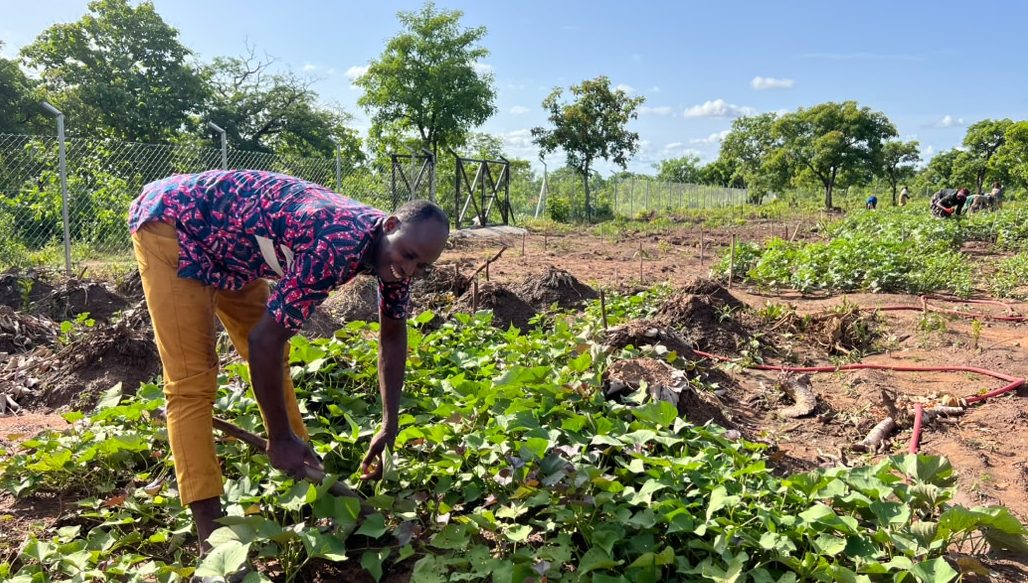
Tekelu, a young woman in Ethiopia, has always been passionate about farming and nurturing the land but faced challenges accessing agricultural tools and equipment. Her situation changed when she joined a women's vegetable group. With support from Kinvia and local partner CHADET’s SHINE Project, Tekelu received valuable skills training, technical support, and her own set of agricultural tools.
Empowered by the tools and knowledge she gained, Tekelu's vegetable production is now thriving. She takes control of her farming practices, using the tools effectively to tend to her crops and increase her yields. Not only does she benefit from this newfound independence and creates an end to generational poverty, but she also generously shares her tools and expertise with her neighbors, fostering a greater sense of community and collaboration.
Through hard work, dedication, and the support of the SHINE Project, Tekelu's story is transforming into one of self-reliance. She tells us, “Having been trained in land preparation, compost, irrigation, climate-smart gardening, as well as pest control, I’ve gained such valuable knowledge to help my vegetable business flourish.”
A LIFE ON THE FARM IN GHANA

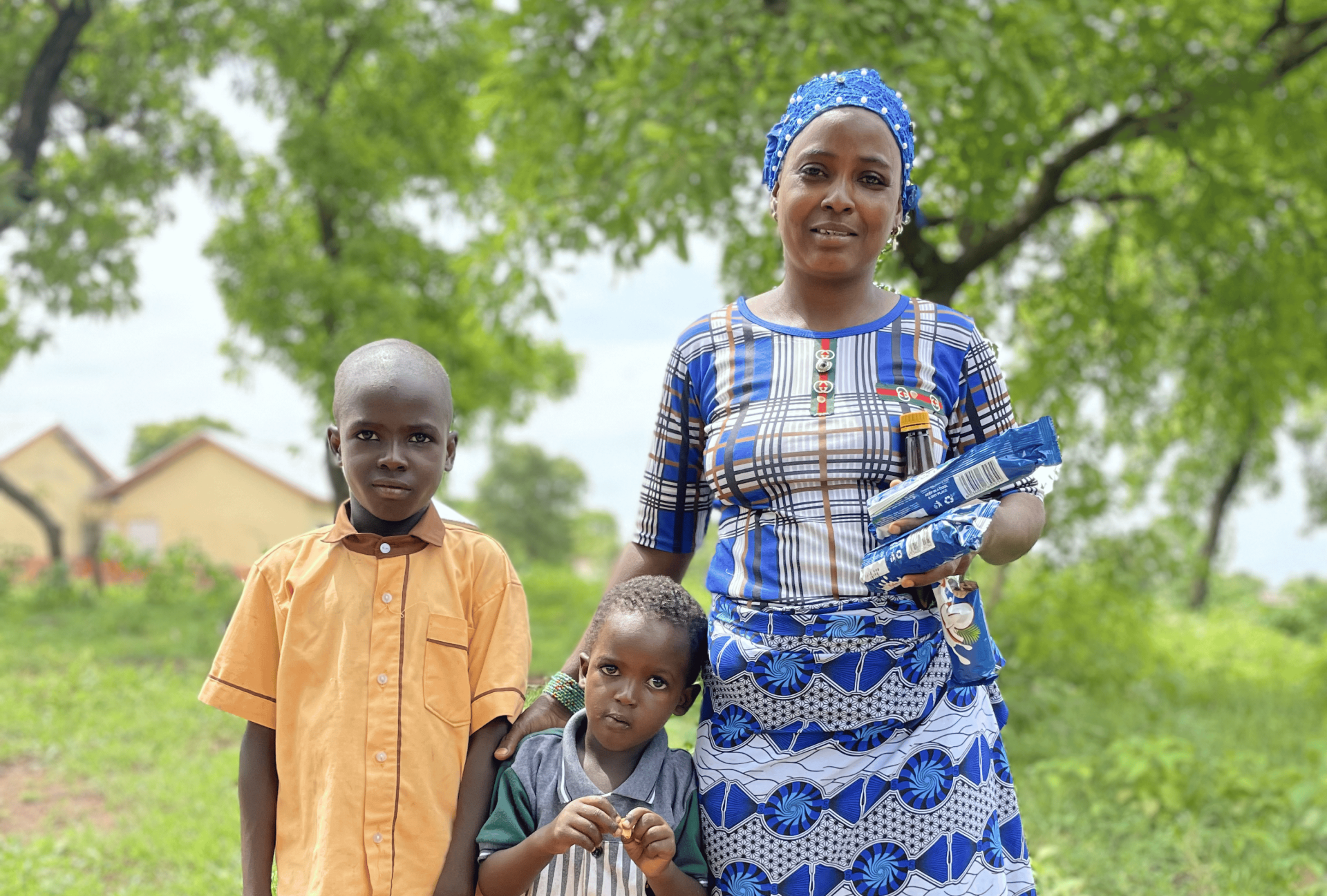
Scholarstica, a dedicated female farmer in Ghana, is committed to passing down her agricultural expertise and values to her son, Ramsey. Coming from a long line of farmers, Scholarstica has channeled her skills into a thriving farming business, where she cultivates a variety of vegetables such as garden eggs, peppers, okra, and onions, along with cereals like maize, rice, sorghum, groundnut, and beans.
Seventeen-year-old Ramsey, the youngest of Scholarstica's children, plays an active role in the family farm, thanks to local partner, TradeAID Integrated. His responsibilities include fetching water, feeding the animals, and assisting his mother with crop harvesting. He is also deeply involved in key tasks such as planting, weeding, and tending to the livestock. Ramsey is enthusiastic about his hands-on experience with his mother and proudly states, “Agricultural tasks have deepened my appreciation for the farming lifestyle and instilled in me a strong work ethic.”
Together, Scholarstica and Ramsey work diligently to provide sustenance for their family and ensure that the farming traditions are passed on to the next generation. Scholarstica shares, “Farming is our life, and our life is farming.”
GATHERING FROM THE LAND
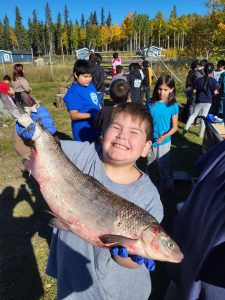
In Atikameg (Whitefish Lake First Nation, located in Treaty 8 territory in Alberta), the community is dedicated to practicing traditional teachings and fostering a deep connection with the land, particularly among their youth. They are learning the basics of various hunting and gathering methods, preserving age-old practices that have sustained them for generations.
Darrell Fors, a Knowledge-keeper and Land-based Learning Lead in Atikameg, plays a crucial role in this effort by teaching an environmental stewardship class at the local school. Here, students are introduced to traditional food gathering practices, such as trapping animals like rabbits and fish.
Students also actively participate in Atikameg’s well-established food system and nutrition programming, demonstrating a strong desire to support those around them and build relationships with community Elders. This program includes a food forest, nutrition education, and a poultry initiative, equipping students with knowledge, self-sufficiency, and life skills that enhance their academic learning.
“They love the chickens and they love to go in the garden and dig themselves a carrot and then walk over to the other garden and get into the potato patch. I'm proud of that, those connections with the youth, the Elders, and the school.”
CONNECTING TO THE LAND FOR GENERATIONS TO COME
Promoting youth connection to the land is an investment in their future and the future of the planet. Young people are the leaders of tomorrow and by nurturing their skills, it ensures they are well-equipped to take on future challenges and lead effectively.
Connecting to the land cultivates responsible, informed, and engaged citizens who can lead efforts towards a more sustainable and equitable world. The healing and empowering properties of the earth set up the next generation for future success.
With International Youth Day celebrated this month, you can support youth initiatives in Canada and around the world by making a gift today. A gift today will support youth programs like school and community gardens, land-based education and traditional gathering practices that develop youth skills and promote food security in communities worldwide.
WANT TO LEARN MORE?
Here are some additional articles on the importance of youth skills:
- UN: Youth
- Beyond the Workforce: Youth Skills Instill Self-Esteem and Confidence
- Cultivating Traditions and Teamwork at Atikameg
- Creating the space for girls to build knowledge, skills and confidence
- Puppets Take Children On A Journey of Self-Esteem and Growth
- Developing Green Skills
- Tailoring a Better Future
- Youth skills development for women
- Best.Gift.Ever gifts: