
February 11, 2025
The world is enmeshed in turbulent times for climate action. The Paris Agreement of 2015 seeks to limit planetary temperature rise to 1.5o C by 2050, however, prevailing global socio-economic and political headwinds are pushing this work off course.
Kinvia’s topic brief, A Growing Problem: Climate-smart food production for a future that feeds us all, addresses the urgent need to transform agrifood systems to meet two intersecting and urgent global challenges: accelerating climate change and deepening food insecurity.
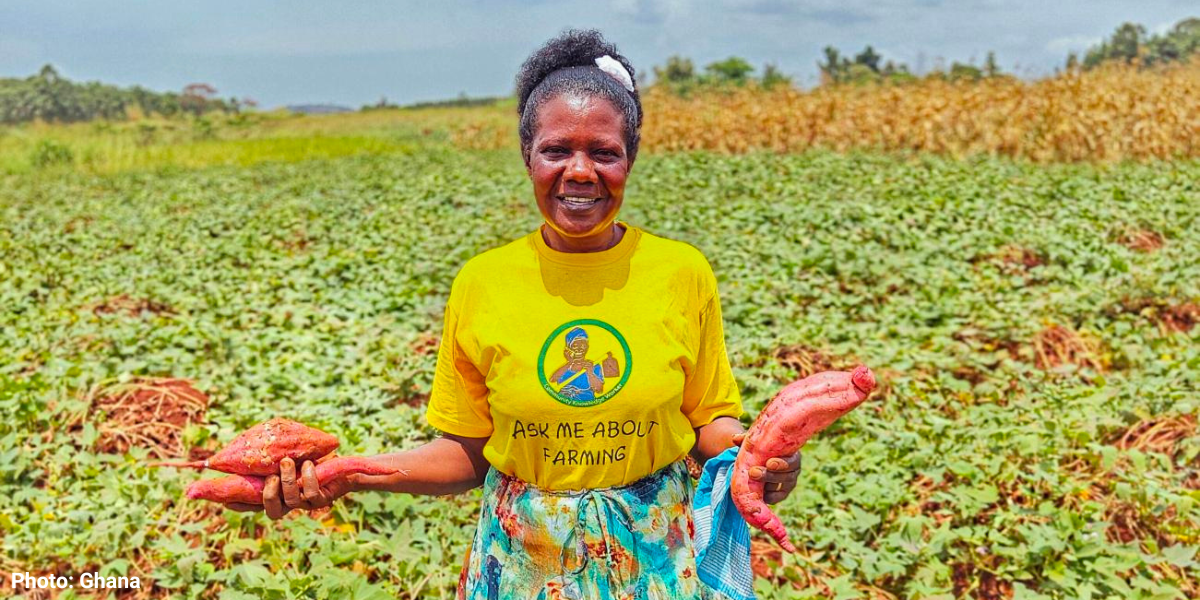
At the heart of this intersection are the world’s smallholder farmers, who are among the least responsible for climate change and the most vulnerable to its impacts.
In particular, women and youth farmers face systemic barriers to land ownership, training, financing, and access to markets upon which their ability to earn an income and feed their families rely. Without deliberate action to support their inclusion, climate-smart agriculture risks reinforcing the very inequalities it seeks to solve.
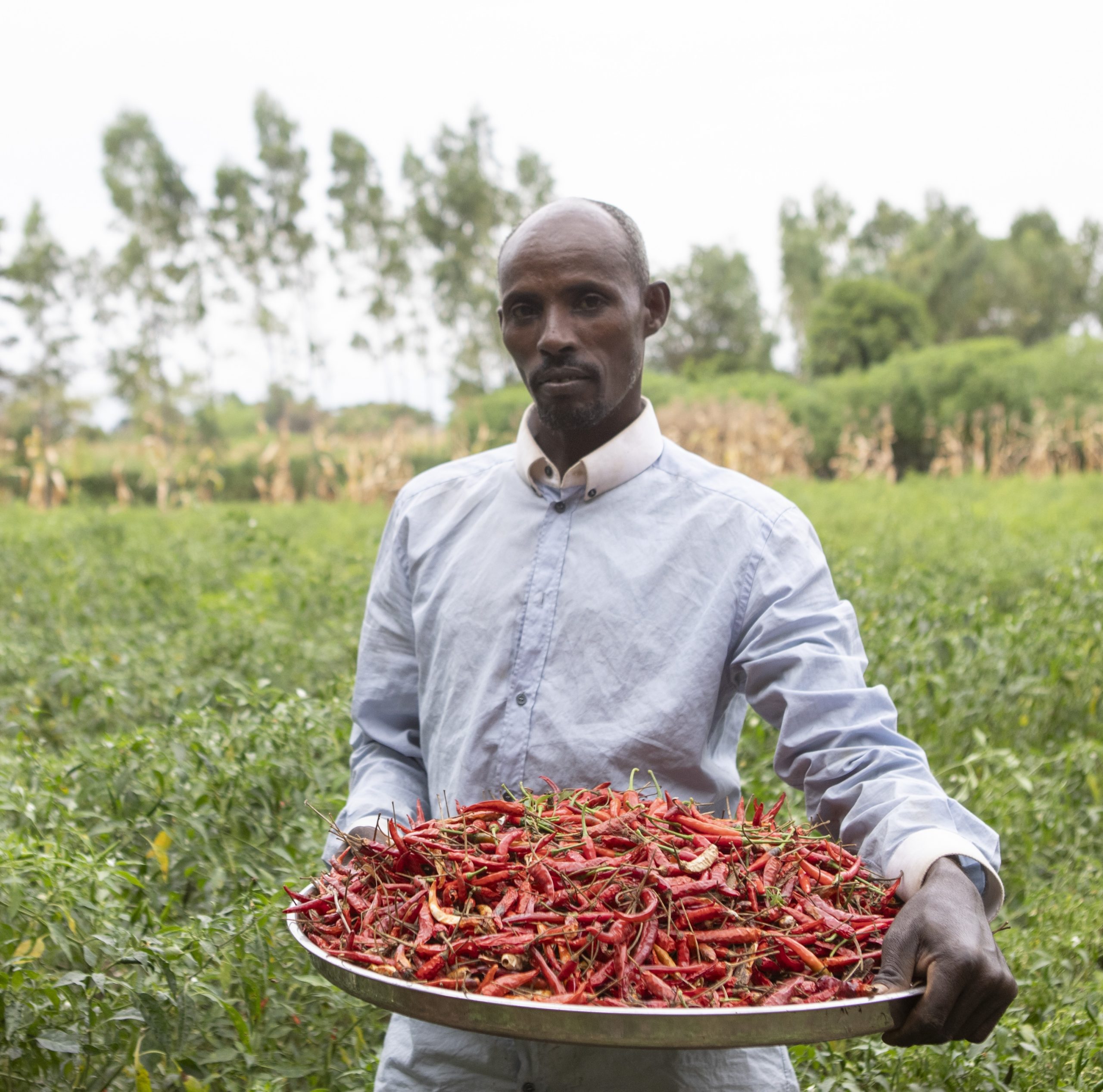
Climate change is clear. Water is a very essential and scarce resource that we need to use properly. It is because of irrigation water that I was able to change my life. I believe conserving these natural resources is important.
This brief draws from the FAO’s Global Roadmap for Achieving SDG 2 Without Breaching the 1.5°C Threshold, which outlines 10 domains of action for reimagining food systems – from crops and livestock to forests and food waste.
Yet the success of this roadmap hinges on global solidarity with the farmers on the frontlines: those already living with erratic rainfall, depleted soils, and worsening climate catastrophes.
The brief highlights Kinvia’s work in Ghana, Ethiopia, Bolivia, and in Indigenous communities in Canada: from women farmers reclaiming acidic soils through composting and crop diversification, to youth developing agri-entrepreneurial skills, to local food systems development that centres Indigenous-led solutions to advance food sovereignty, agricultural production, and climate protection goals.
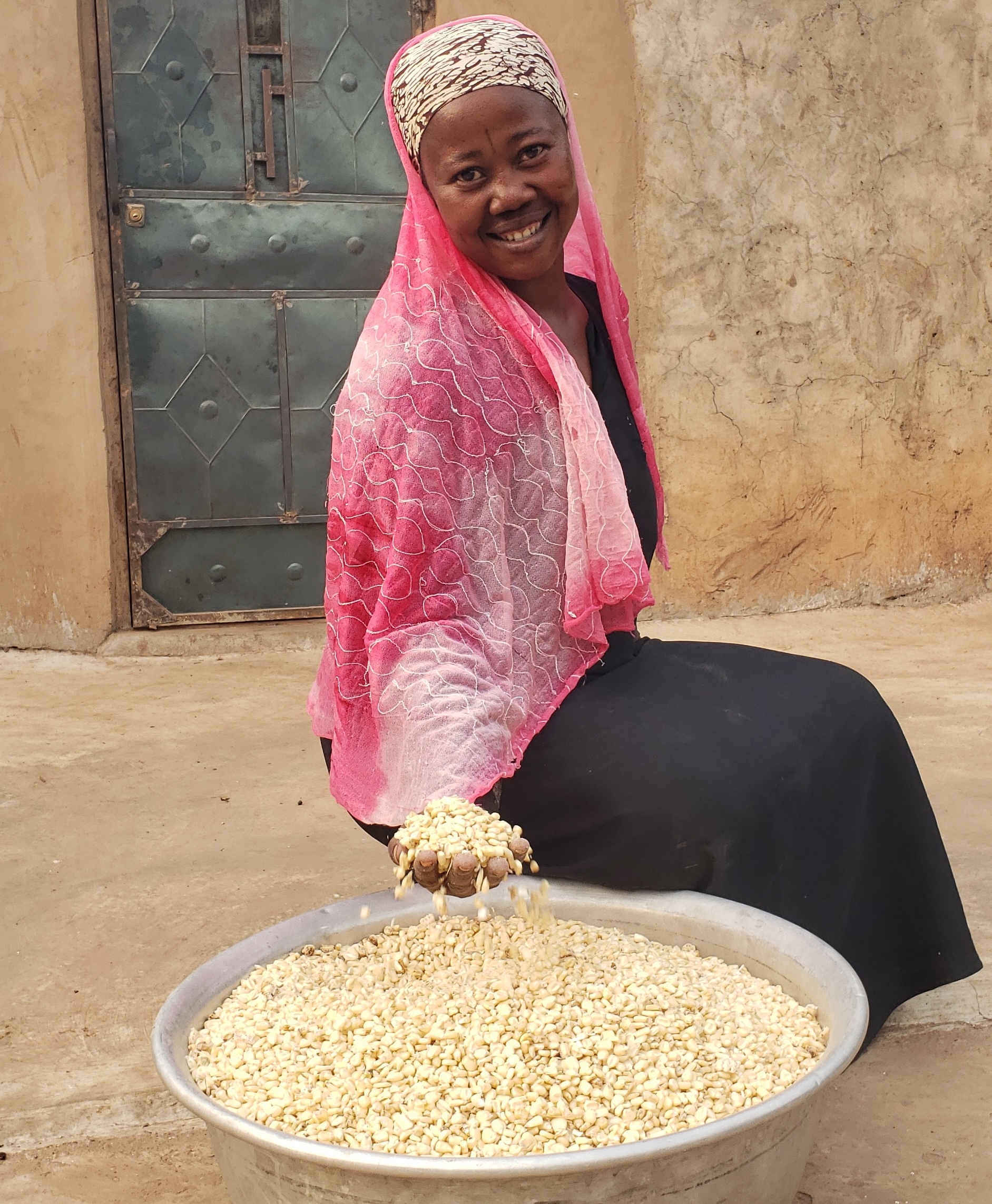
Indigenous seeds have a good germination rate which leads to an increase in crop yields. The crops do not require as much fertilizer as non-traditional crops. I had five bags of maize [which] would not have been possible without the training and the seeds used.
The brief concludes with a call to action: to prioritize investments that enable smallholder farmers, especially women and youth, to be agents of climate adaptation and food systems change. Their leadership is not only just and necessary, it is foundational to a future where both people and the planet can flourish.
Read More : A Growing Problem: Climate-smart food production for a future that feeds us all


