
September 25, 2025
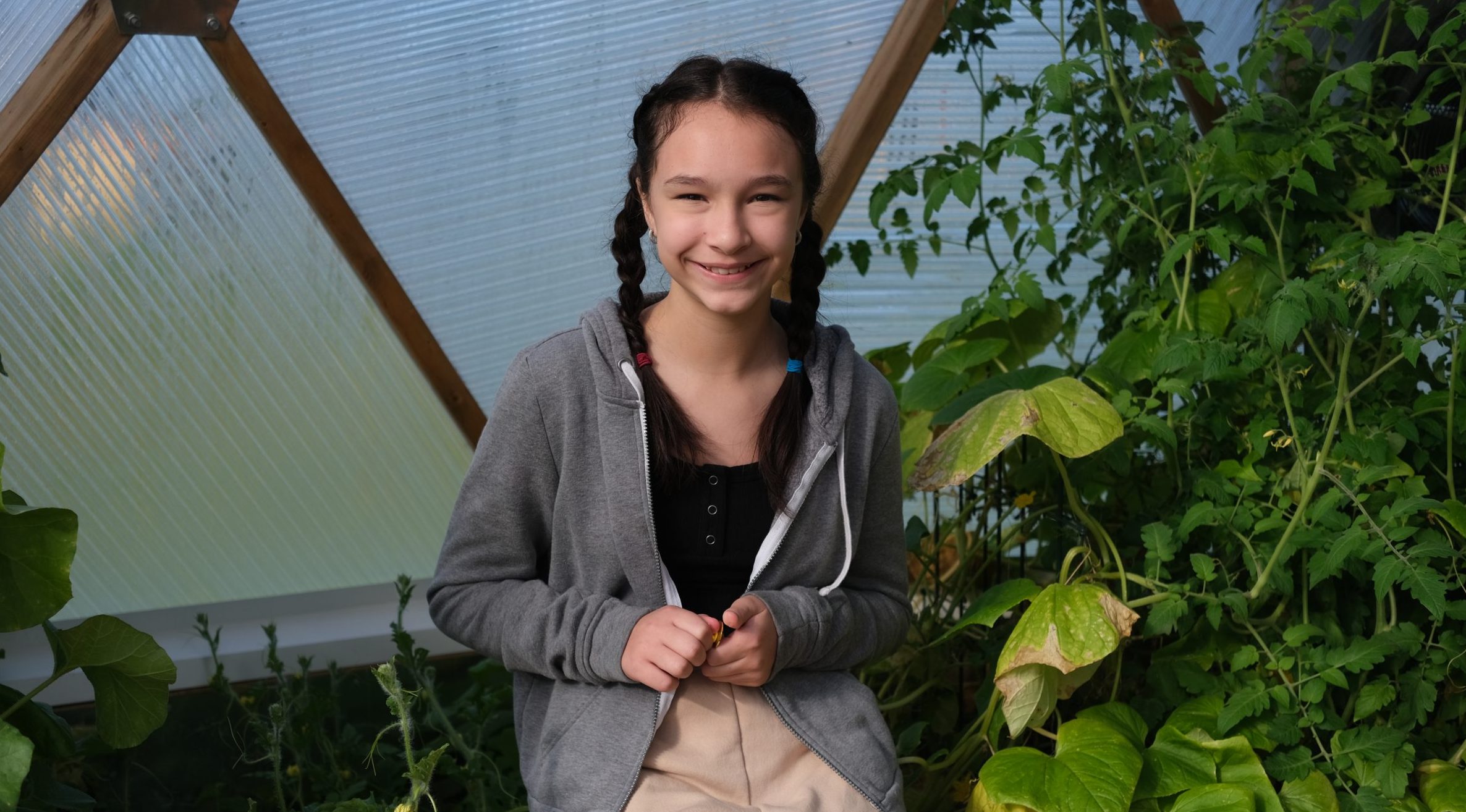
Photo: Natoaganeg First Nation (Eel Ground First Nation)
Growing food in Canada’s three territories and in the northern parts of most provinces is uniquely challenging, not just because of the geography and climate but also because of entrenched colonial practices around food production and distribution.
These realities intersect with deep social, political, and economic inequalities. The result is disproportionately high rates of food insecurity and elevated health risks among Indigenous Peoples in these regions.
Let’s Get Growing: Decolonizing Canada’s Northern Food Systems, Kinvia’s latest topic brief, is a timely look at the complex barriers facing local food production in northern Canada and the urgent need to transform food systems to advance Indigenous food security and sovereignty.
From harsh climates, short growing seasons, and limited infrastructure to the entrenched legacy of colonialism that severed Indigenous Peoples’ connections to their lands and traditional food practices, there is today a heavy reliance on expensive, inefficient south-to-north supply chains that deliver less nutritious food at much higher prices. Climate change is compounding these challenges by disrupting ecosystems and threatening traditional food sources.
The time is ripe for decolonizing Canada’s food systems
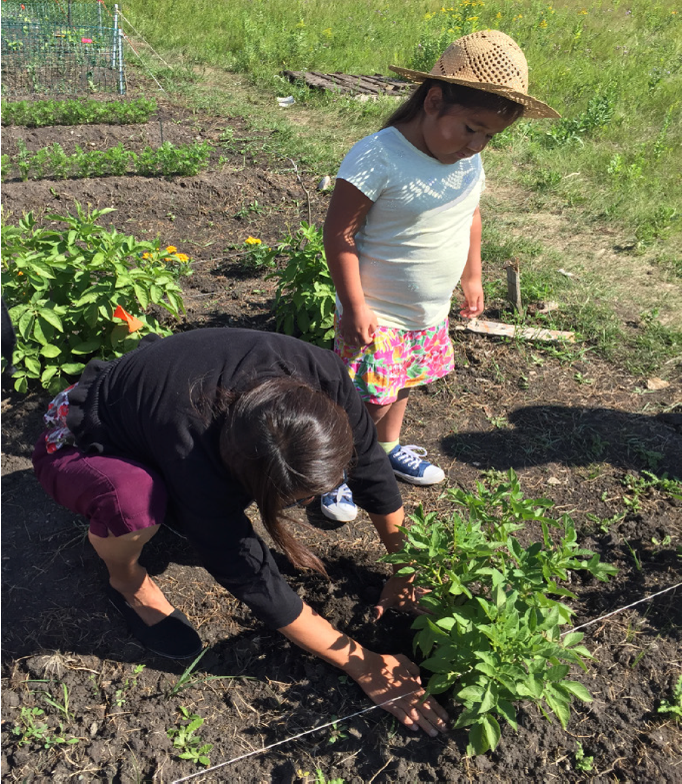
Waywayseecappo First Nation
In 2025, facing mounting pressure stemming from the new U.S. administration’s tariffs, a groundswell of interest in removing inter-provincial trade barriers and stimulating homegrown food production has emerged.
This is especially important as the cost of living and, consequently, and food insecurity is high and rising. In 2024, updated data from Statistics Canada indicate that 25.5% of people (more than 10 million) across Canada’s 10 provinces experienced food insecurity, an increase of almost 1.3 million people from the previous year and the third consecutive annual increase.
The percentage of people living in food-insecure households rose and established new record highs in every province and territory except Prince Edward Island and Manitoba.
The problem of food insecurity is particularly acute for Indigenous Peoples. Already high rates of poverty have combined with inflation over the past several years to send many families into crisis. The result is a cycle of chronic poverty, food insecurity, and poor health for many Indigenous Peoples, particularly those on reserve and in Canada’s North.
Indigenous innovation and leadership in food systems transformation
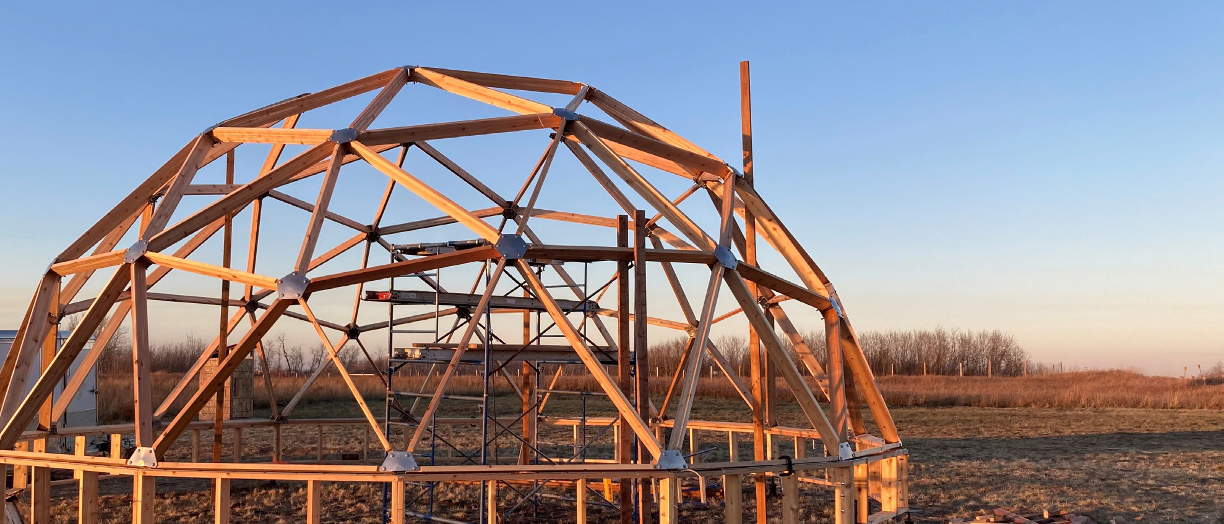
Beardy's & Okemasis' Cree Nation
The good news is that innovative solutions are already available and, most importantly, they are being implemented and led by Indigenous Peoples themselves.
From food forests to cold-climate greenhouses and other indoor growing technologies, to a revival of food harvesting practices based on Indigenous traditions, Indigenous Peoples are advancing solutions that make it possible to produce fresh, culturally appropriate, more affordable, and more nutritious food closer to home year-round.
These innovations hold the promise of reducing reliance on southern supply chains, building local economies, revitalizing Indigenous food systems, and furthering Indigenous food and cultural sovereignty.
For example, in one Kinvia-supported initiative generously funded by the Public Health Agency of Canada (PHAC) in partnership with Impact Canada, six First Nations are establishing year-round greenhouses to increase fresh fruit and vegetable production and tackle high rates of food insecurity and type 2 diabetes.
Greenhouses are being custom-built and integrated into each community’s food and health programs, which may also include food forests, community gardens, food sharing programs, land-based education, and school nutrition programs. This holistic approach to health promotion through nutrition is both well-aligned with Indigenous conceptions of health and wellbeing and is also reconnecting community members, particularly Elders and youth, with their ancestral lands, waters, and food practices – many of which have been lost through colonization.
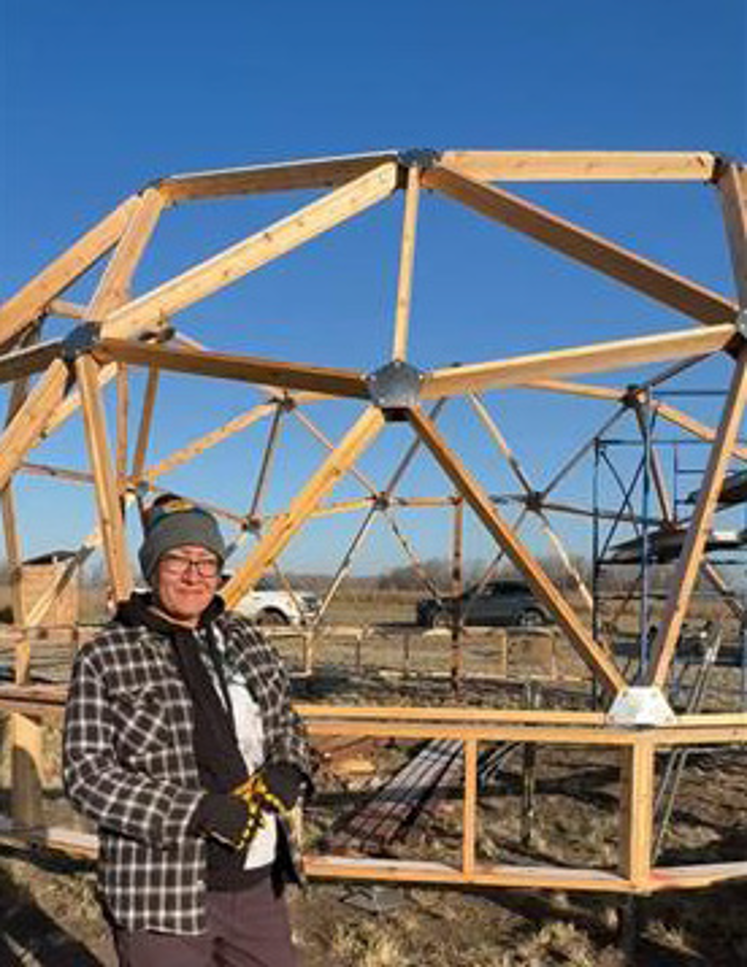
We’re not just growing food. We’re growing a future where our children know how to care for themselves, their families, and the land.


