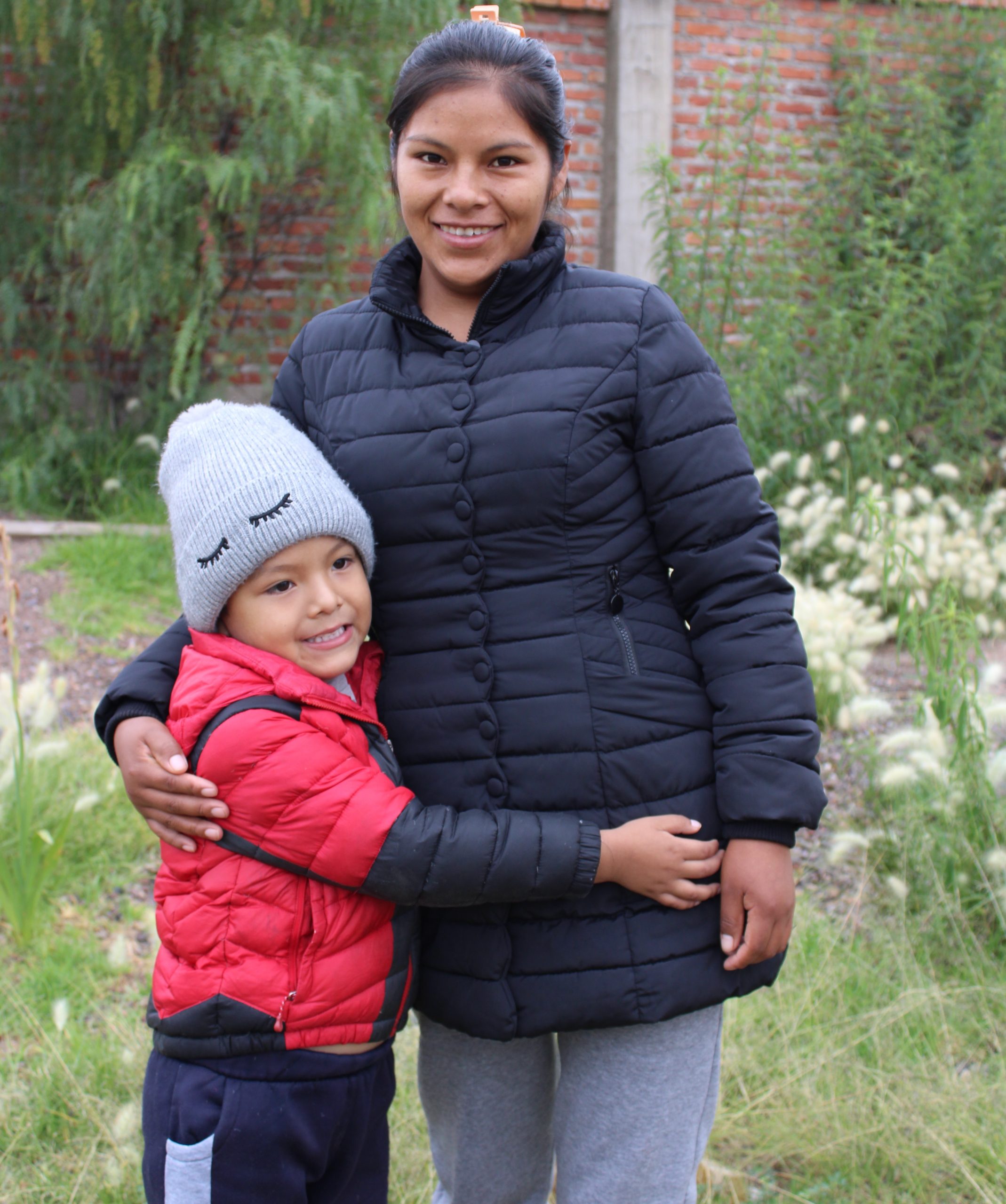
Your partnership is helping children thrive in Bolivia
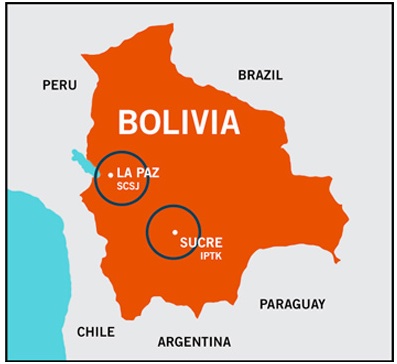
Your partnership is helping to reduce hunger and poverty, lower child mortality, improve child development and health, and support holistic community development. Together, we are working with communities in and near Sucre and La Paz to create lasting change.
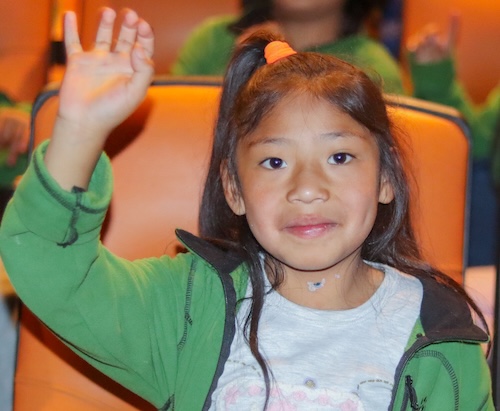
Your contributions positively impact nutrition, education, family livelihoods, and the advancement of girls’ and women’s rights and equality. Through their role as Child Ambassadors, children become active participants, raising their voices and helping promote initiatives that support health, nutrition, and education in their communities, building confidence and a sense of purpose along the way.
Highlights
212,013
meals and snacks provided789
children received meals and snacks
Food
Security
304
people received garden training
75% women
174
gardens

Nutrition Education
713
people received nutrition training

Livelihood & Gender Equality
38
people involved in income generation ventures, 76% of them women.

Children's
Education
760
students supported through after school centres
1,072
people participated in Sexual Reproductive Health and Rights education

Your partnership creates lasting change
You are helping nourish children and communities
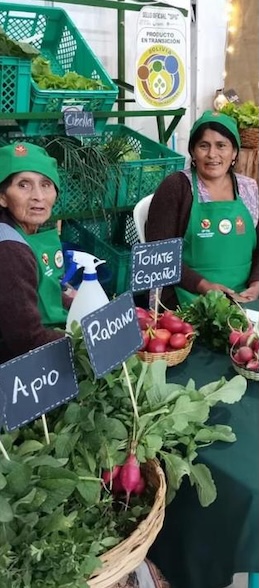
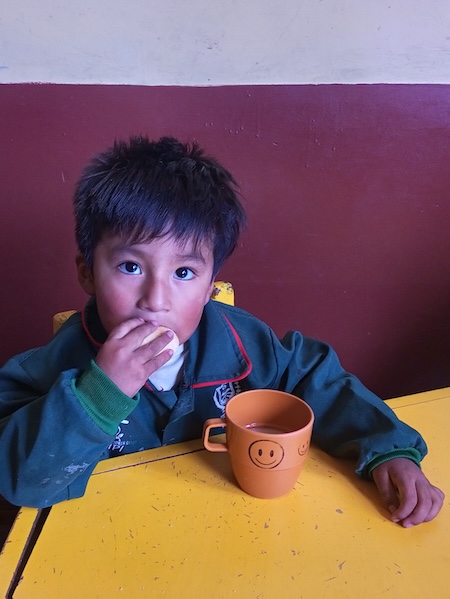
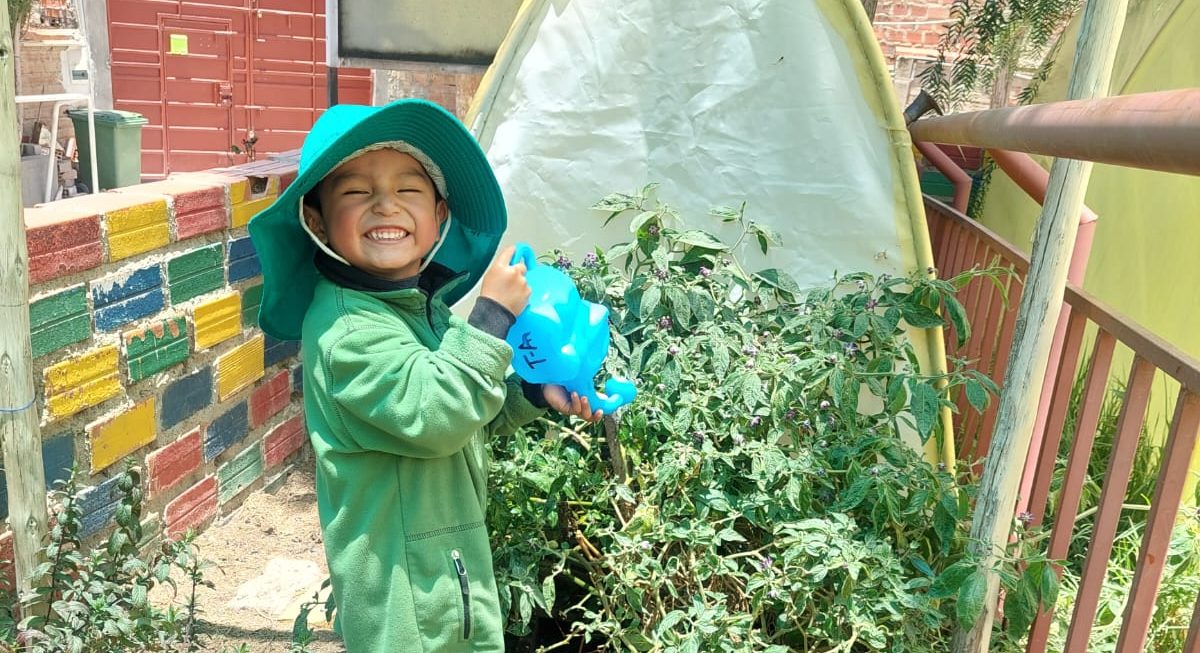
Your partnership helps nourish children and their families. Through Early Childhood Development (ECD) and after-school educational nutrition programs, children enjoyed fresh, healthy meals and snacks with produce grown locally in community gardens.Urban agriculture training programs improve food security for families. With home and community gardens now thriving, families not only have access to nutritious food but can also sell surplus produce to generate income.
By supporting school and home gardens, organic farming practices, pest control, and composting, you’re helping ensure children are healthier and thriving both at home and in their after-school programs.
You are strengthening education and development
Your support reached students in ECD and after-school programs. Teachers were trained, classrooms were equipped, and children received access to quality education, sports, and recreational activities.Families also benefited from nutrition education. Parents, students, and teachers learned about healthy eating, life skills, early childhood development, and positive parenting. These initiatives are creating safer and healthier families, reducing family violence, and improving school attendance.
You are fostering community engagement and rights
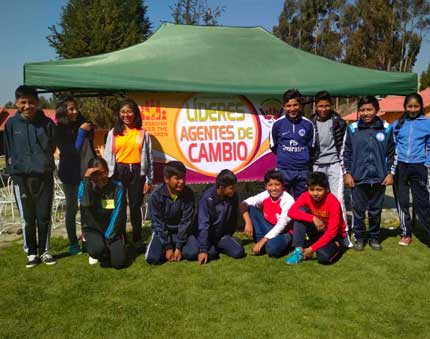
Your support has enabled children, parents, and teachers to explore topics such as violence prevention, early childhood development, positive parenting, and the sexual and reproductive health rights of women and girls.
Participating in life-skills workshops and cultural events enhances community awareness and pride. Through these workshops, families and communities gain the knowledge and tools to drive positive social, family, and economic change.
You are building economic opportunities
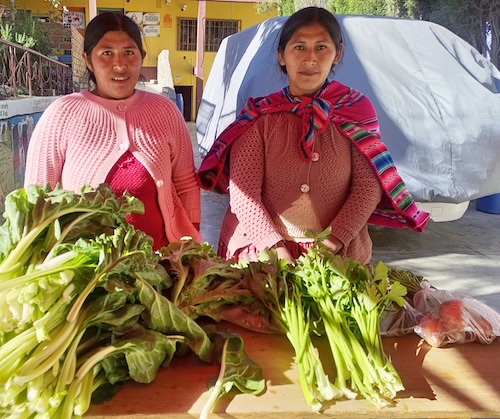
Your support is building economic resilience, creating new income streams, and empowering families to support their children and communities.




Stories of Growth and Progress in Bolivia


Your support is helping reclaim traditional food knowledge to strengthen family nutrition
In peri-urban communities outside La Paz, urbanization and economic pressure are reshaping how families eat. Migration from rural areas have often meant a shift away from traditional foods toward inexpensive, processed products, weakening dietary diversity and contributing to rising childhood health concerns.
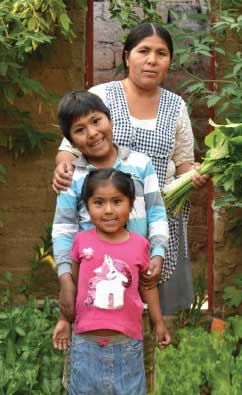
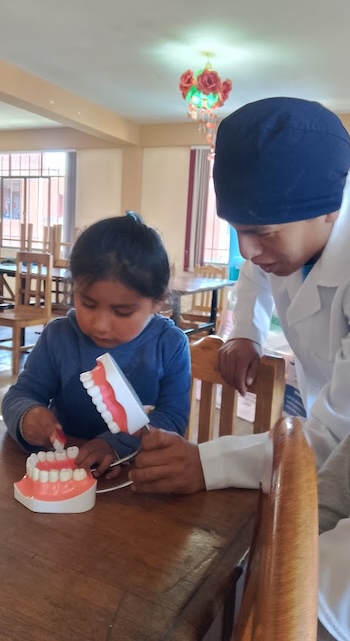
The Mamani Mancilla family experienced this shift after moving from Sapahaqui to La Paz. Foods once grown and prepared at home were gradually replaced with packaged snacks and convenience items. Like many families navigating new livelihoods in a busy urban centre, these changes became normalized — until dental problems and weight gain emerged for their young daughter.
Through nutrition and food security training at the Alpacoma Centre supported by Kinvia’s local partner, SCSJ, the family began reassessing their daily practices. Workshops on healthy cooking and household food security helped reconnect dietary choices to long-term wellbeing. Grandmother Arminda shifted her small shop away from highly processed products and began stocking fruits and vegetables. Mother Mayumi replaced daily snack money with home-prepared foods. Together, they established a home garden, growing fresh produce without chemical inputs.
Beyond improved nutrition, the process restored intergenerational knowledge and connection to their traditional Indigenous practices. The family now shares what they have learned with neighbours, demonstrating that even in dense urban settings, households can strengthen food sovereignty, reduce reliance on costly processed foods, and work together to make healthy changes.
Your support is helping improve nutrition and food literacy in Bolivia
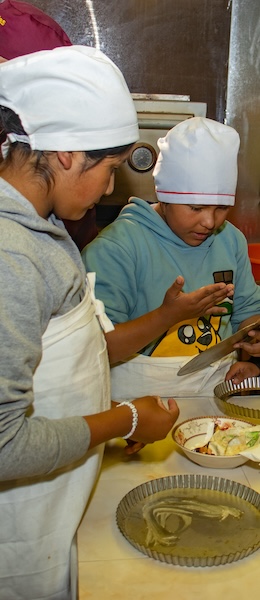
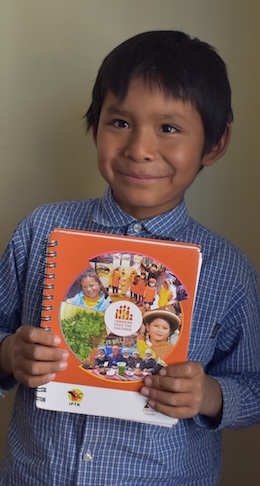
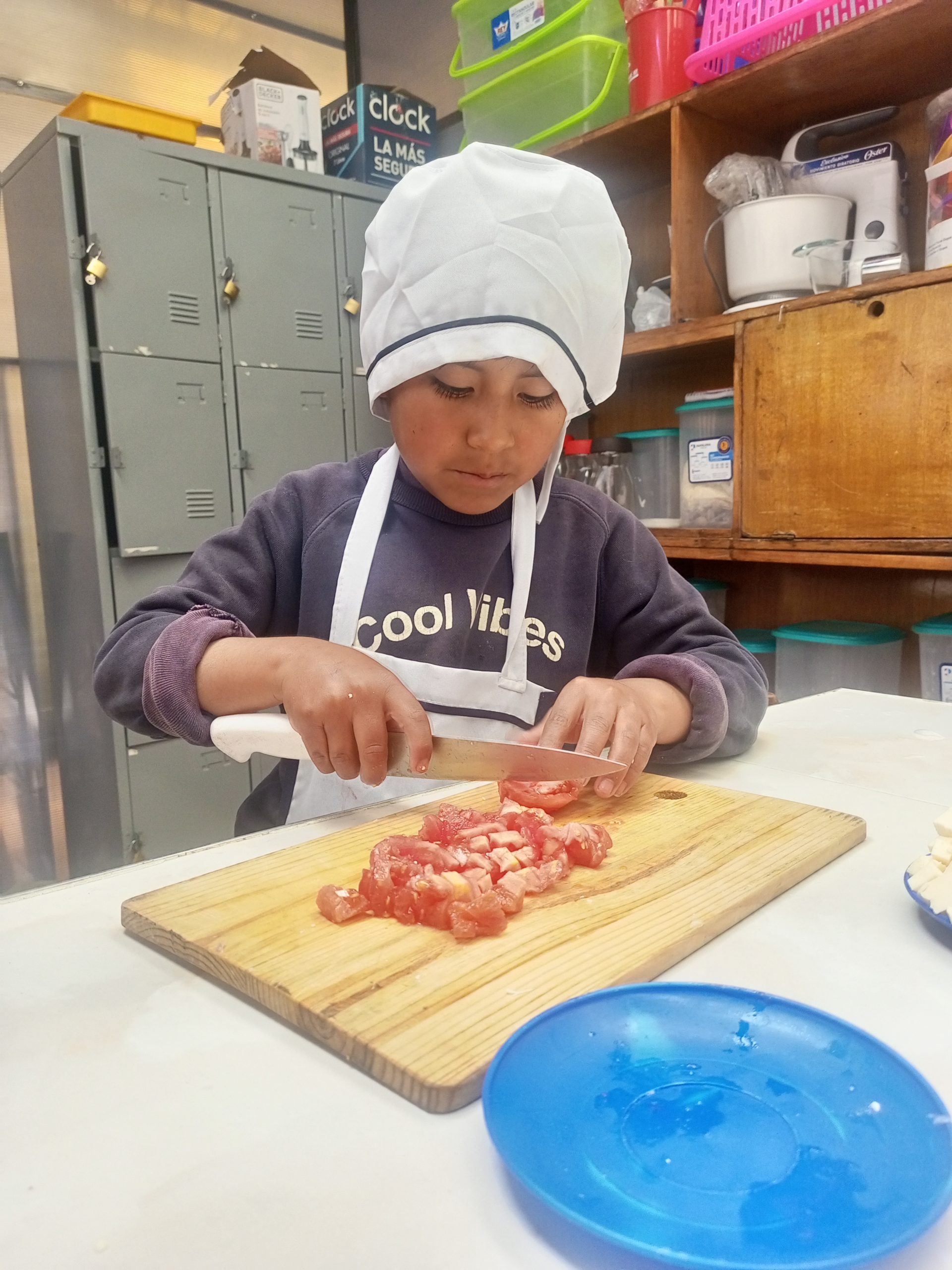
Oscar, a nine-year-old from Bolivia, is actively involved in his school's cooking club, where he learns essential life skills like washing, peeling, and chopping food. These classes teach children how to follow recipes, prepare traditional dishes, and improve their social confidence. Oscar’s favourite dishes, k'allu and plato paceño, not only connect him with his cultural heritage but also promote healthy eating.
Oscar’s teacher, Sonia, emphasizes the importance of preparing nutritious meals that children can recreate at home, encouraging healthy eating habits.
The centre, which supports over 120 children in these programs, also fosters a deep understanding and appreciation for farm-to-table practices. The children participate in gardening activities, learning to grow and harvest their own food. Sonia sees this hands-on approach as a key way to enhance their food literacy, showing them the benefits of nutrition and the satisfaction of their own efforts.
By integrating cooking with gardening, the program equips children with the skills and knowledge to lead healthier lives, both physically and emotionally. Through these activities, children like Oscar are not only building life skills but deepening their connection to their culture and well-being.
Our partners
With your support,Kinvia works alongside community partners in Bolivia to create meaningful, measurable results for children, youth, and families.
Kinvia’s Bolivia Country Office partners with two local Bolivian organizations that work with Indigenous families living in in peri-urban and rural regions outside of La Paz and Sucre who are facing food insecurity, economic exclusion, climate, and social challenges.
Their focus is on reducing systemic barriers to food and economic security by raising awareness and strengthening the capacity of women and youth. New food production, food systems transformation, and youth and women’s livelihoods initiatives are improving household income, building food systems resiliency, and helping to conserve biodiversity.
Youth are also supported with leadership, soft skills, and entrepreneurship initiatives. Nutrition education remains an important focus in early childhood development centres and after-school programs. Violence prevention, gender equality, and sexual and reproductive health and rights (SRHR) training for youth and adults continue to be cross-cutting themes.