
June 25, 2025

Photo: A community in Ethiopia convenes to discuss how to build a bridge that will improve children's education and family livelihoods.
Local leaders have the best understanding of the problems that challenge their communities and can most effectively mobilize resources to solve them. Not only does this mean that solutions are better tailored to the community’s real needs, but it also allows community members to participate in ways that add value, inspire engagement, and spur future community-led development efforts.
A group of engaged citizens in a small village in Ethiopia’s Southwest Shewa Zone about 150 km west of Addis Ababa was tasked with solving the problem of poor roads and lack of infrastructure, which were jeopardizing the area’s farmers’ livelihoods and compromising children’s education.
The area is subject to both flooding and drought. When it rains, rivers and streams overflow, and, without proper bridges, the roads are impossible to navigate.
Farmers found themselves unable to move their livestock from field to field and, worse still, children found it impossible to walk to and from school.
Local solutions for local challenges
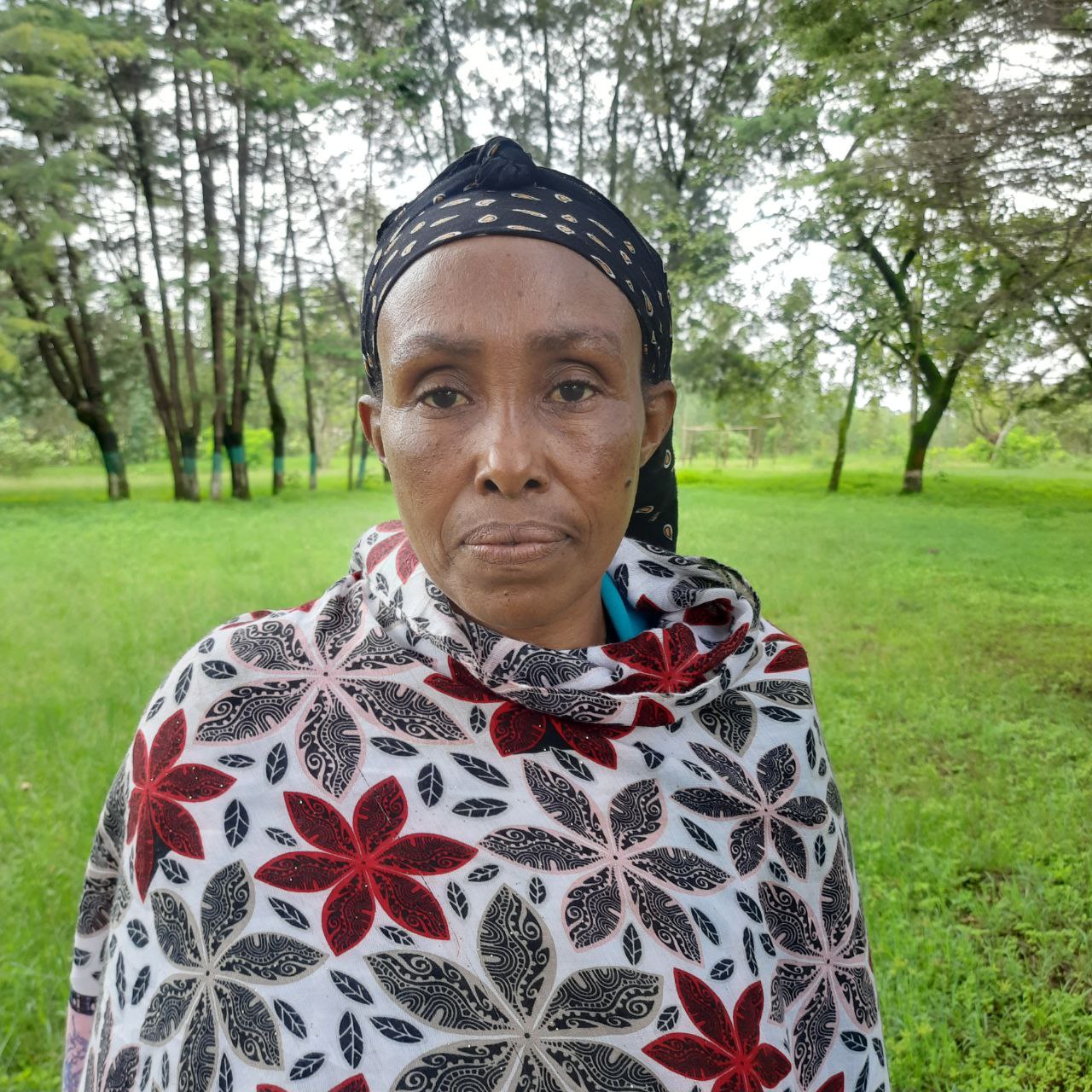
Fantaye, local farmer and mother, Ethiopia
“Before the construction of the bridge and the road improvement, our experience was very difficult,” said Fantaye, a local farmer and mother. “If we moved the cattle in the morning and it rained, we didn’t have a way to get them back. Children had no way to get back from school if it rained. It was generally difficult to get out and about.”
The poor infrastructure didn’t just affect farming families; it impacted students as well. Local teacher Taye saw firsthand how the impassable roads led to poor attendance and low performance. “There have been many problems, for example, students’ lack of interest in school and their low performance due to poor attendance,” he explained.
The situation was not just inconvenient; it was dangerous. Tilahaun, a local farmer and community leader who has three children attending the school, explained that if it rained while children were in school, the children had to wait until the rain stopped and the water receded in order to return home. Sometimes, this meant children had to cross fields after the sun set, missing their evening meal and exposing them to other dangers.
Now that the roads have been improved and the bridges have been built, we have been studying well. Our results have been very beautiful.
Joint problem-solving builds community engagement
Tilahaun and leaders in a neighbouring community came together to problem-solve and then brought their proposal back to their communities for discussion in REFLECT Circles, which are small groups supported by Kinvia and facilitated by a local leader, where residents can meet, discuss their shared challenges, and develop action plans to address them collaboratively. Through donor support, Kinvia helps communities access tools and training to lead these discussions and drive meaningful, community-led change.
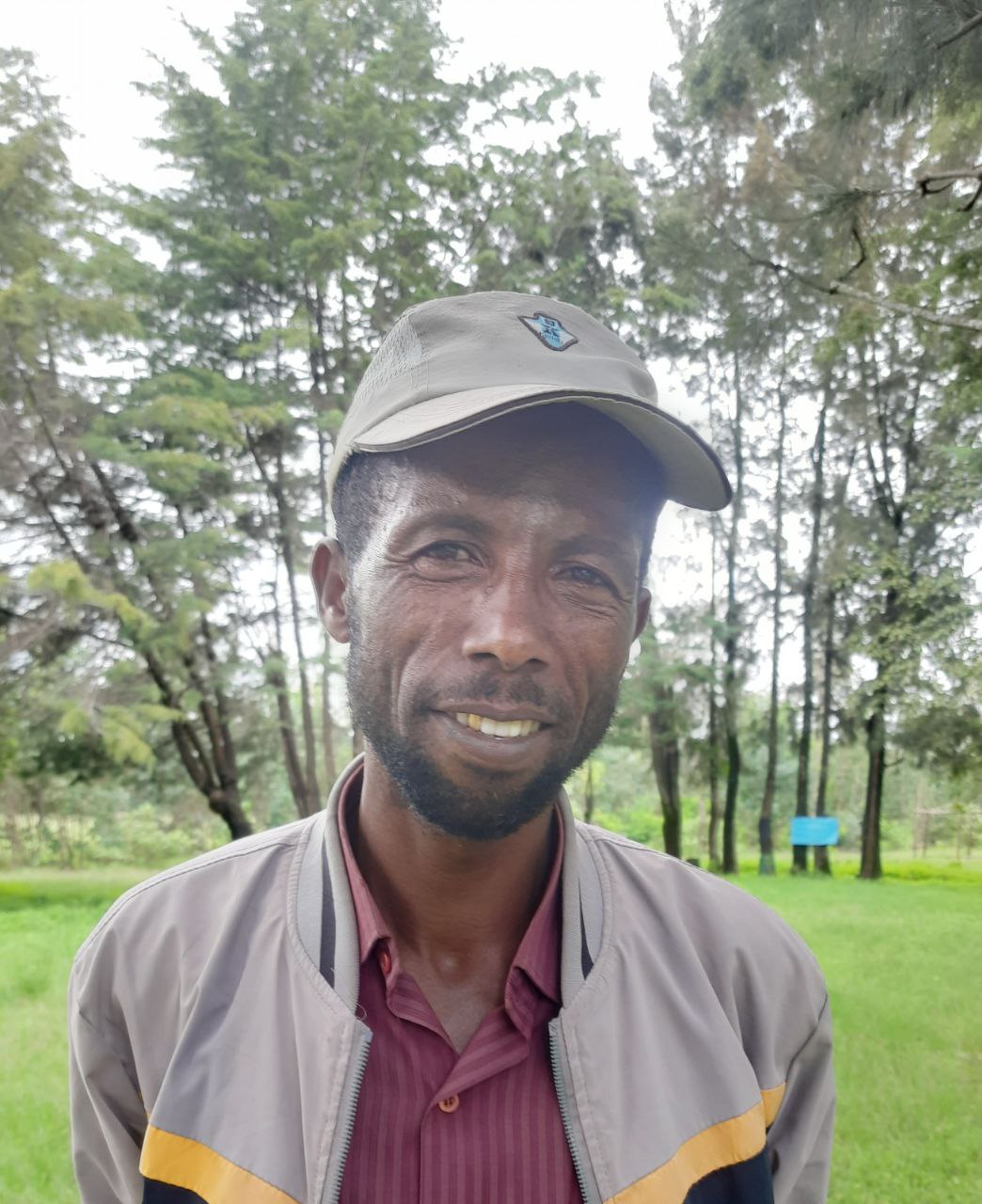
My first piece of advice is to analyze your environment before you get to work. Sit down with the community and discuss the solutions to the problem. Second, convince yourself that there is a solution to any problem.
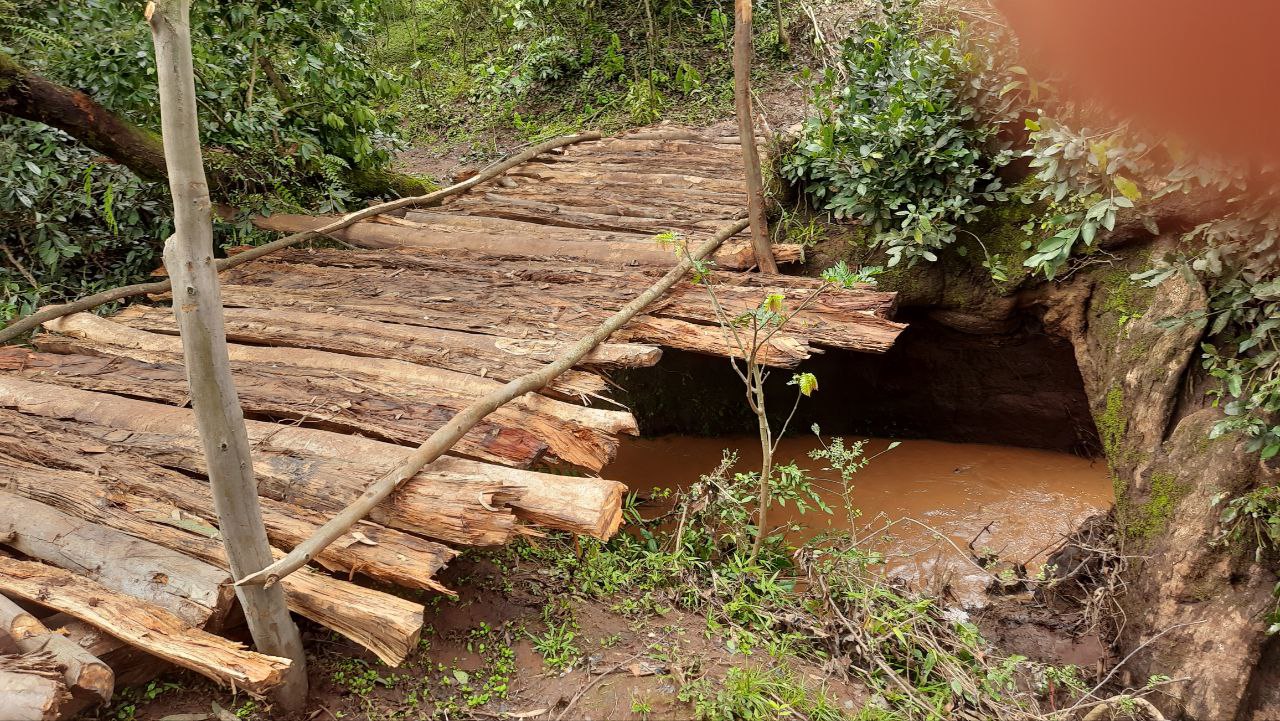
Local bridge constructed by community members in rural Ethiopia
Through the REFLECT Circle, community members took stock of the resources and skills they had and what was required. Some were able to provide financial resources; others wood and skills to plan and build the bridge. Others, who were not able to contribute money or supplies, volunteered their labour.
Despite these challenges, with Tilahaun’s and other REFLECT Circle participants’ encouragement and careful management, the community raised 200,000 Ethiopian birr to put towards the project.
A new bridge brings many positive changes
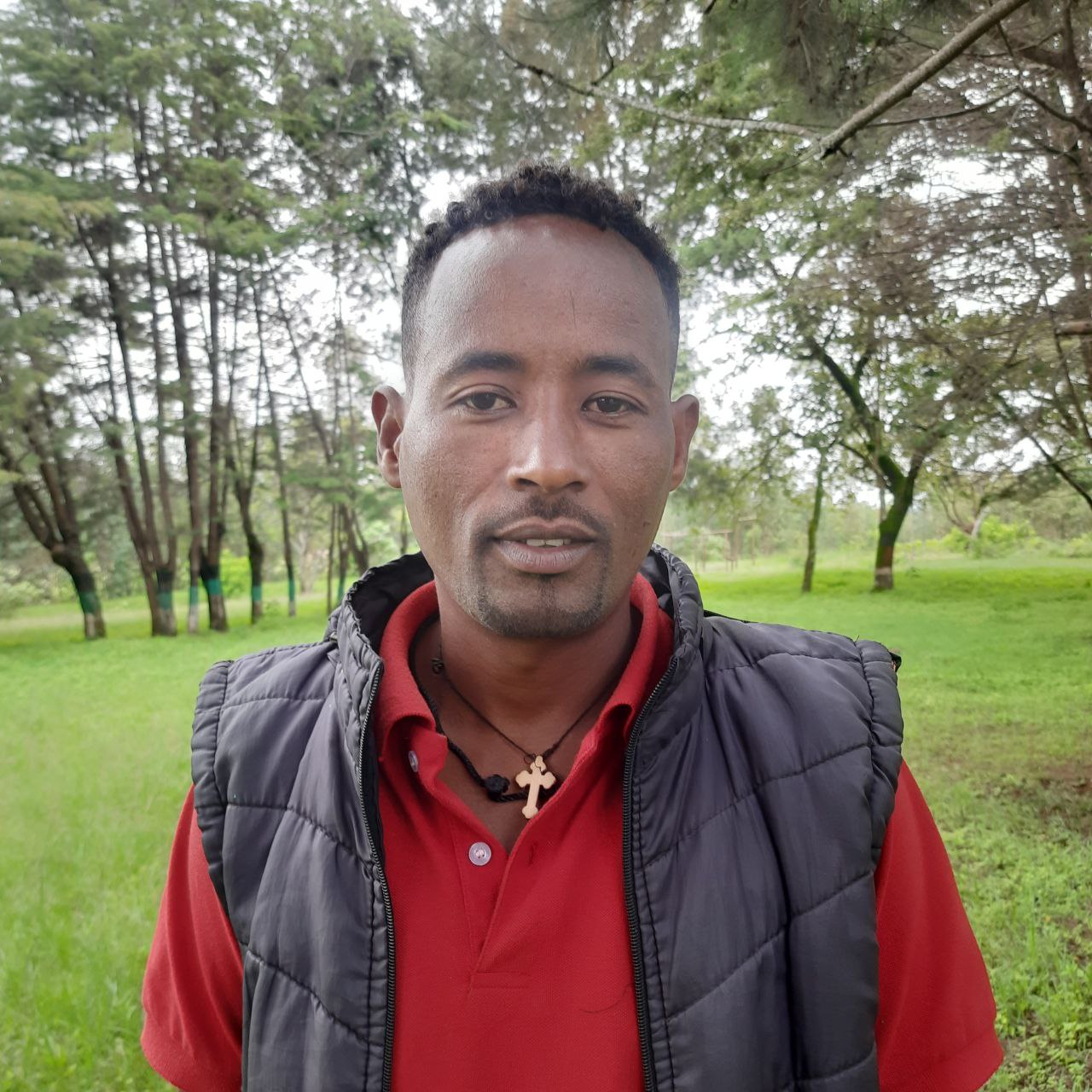
Taye, a teacher in Ethiopia
By the end, the community took great pride in the completion of the bridge and recognized the many benefits it brought them.
“Since the completion of the bridge, there have been a lot of nice changes,” Taye said. “Students developed an interest in learning, punctuality, scoring good results and so on.” He says that the bridge has built more than an easier route to school, it has built the students’ self-confidence and motivation to attend and do well.
Taye shares the story of Abraham, a student in Grade 5, who had dropped out of school because of the poor roads. “Now that the bridge has been built, he has returned to school in July and has been able to reach Grade 6 with good results,” he said.
Building forward
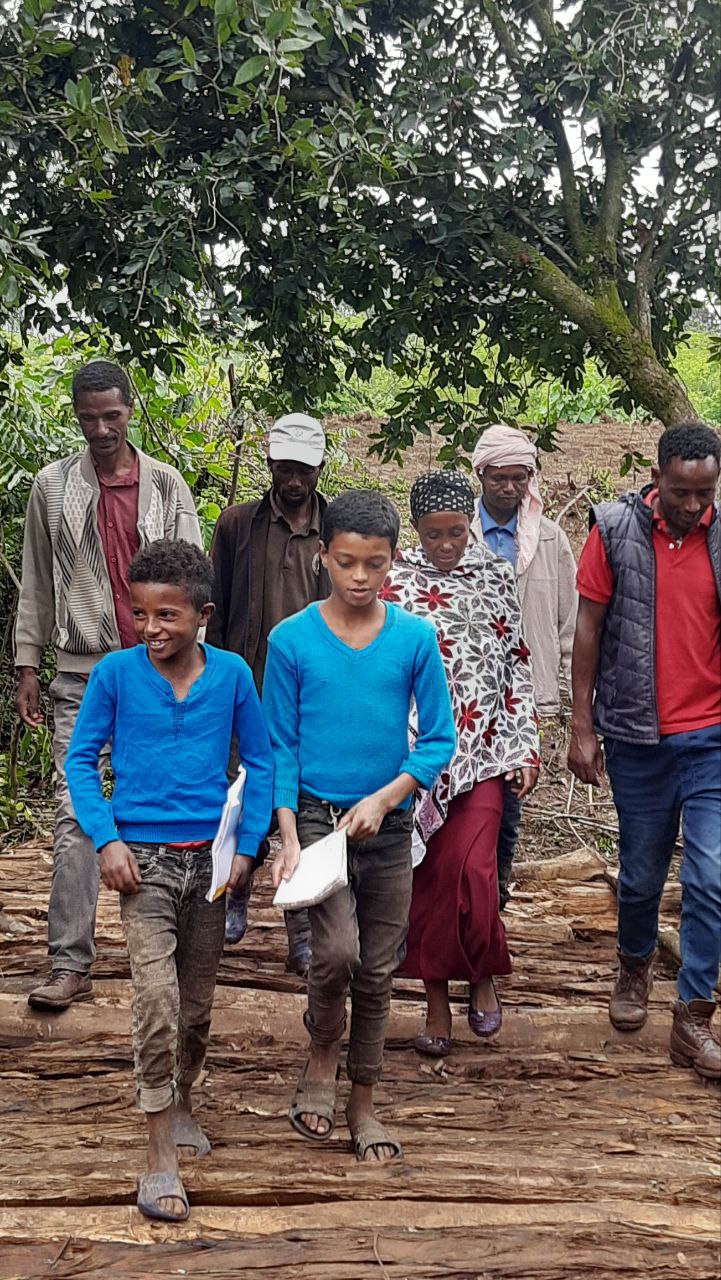
Community members crossing the river on the new bridge they constructed
Like others in his community, Taye confirms that the project – initiated by community members identifying the problem and working collaboratively to solve it – has generated a newfound sense of engagement and interest in further development. He hopes that “this community involvement does not stop there,” and says that they are now planning to convert the rudimentary wooden bridge into a more sophisticated one, as well as planning for further road maintenance and environmental protections.
Fantaye says that the community is now discussing ways to enhance the irrigation systems that were previously installed to build and maintain water gates, as well as address the shortage of clean water in the area.
She, too, says that she’s noticed a change in the community with respect to their capacity and willingness to lead their own development projects: “Everyone was very happy with [the bridge] and they promised to work on such obstacles to development activities in the future and not go back.”
WANT TO LEARN MORE?
- Your support makes projects like these possible. Donate today to help support more community-led projects that improve education and food security.
- Give a Legacy Gift. Leaving a legacy gift in your Will shapes a better tomorrow, offering essential support for future generations to flourish.
- A Legacy of Leadership: How Communities in Ethiopia Are Growing a Future Together
- Strengthening Community-Led Efforts for a Sustainable Future


