
April 22, 2026
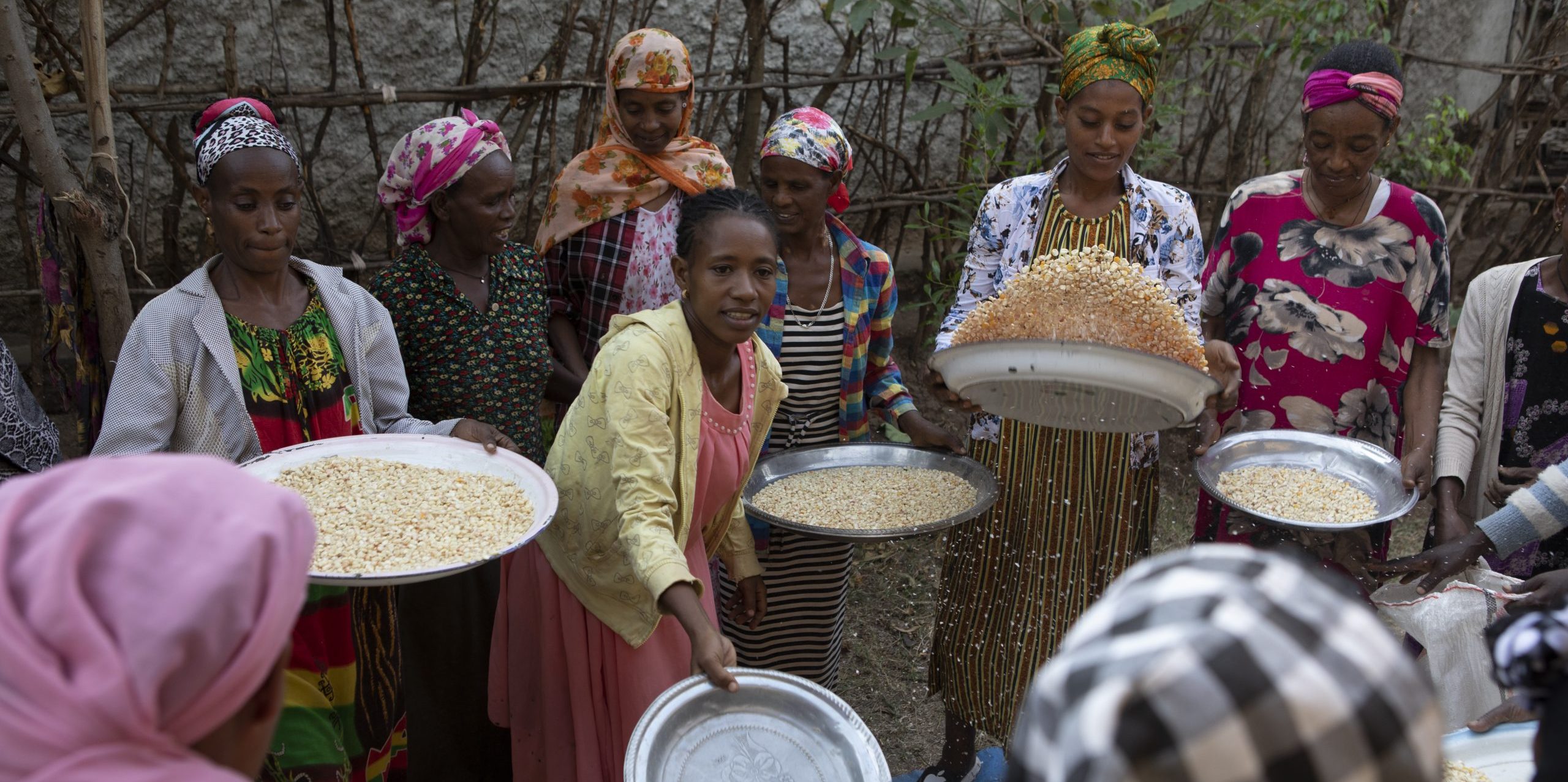
Photo: Ethiopia
The escalation of conflict in the Middle East and the effective closure of the Strait of Hormuz has disrupted global energy, fertilizer, and agri-food systems, putting at risk the 2026 growing seasons in many of the countries where Kinvia works.
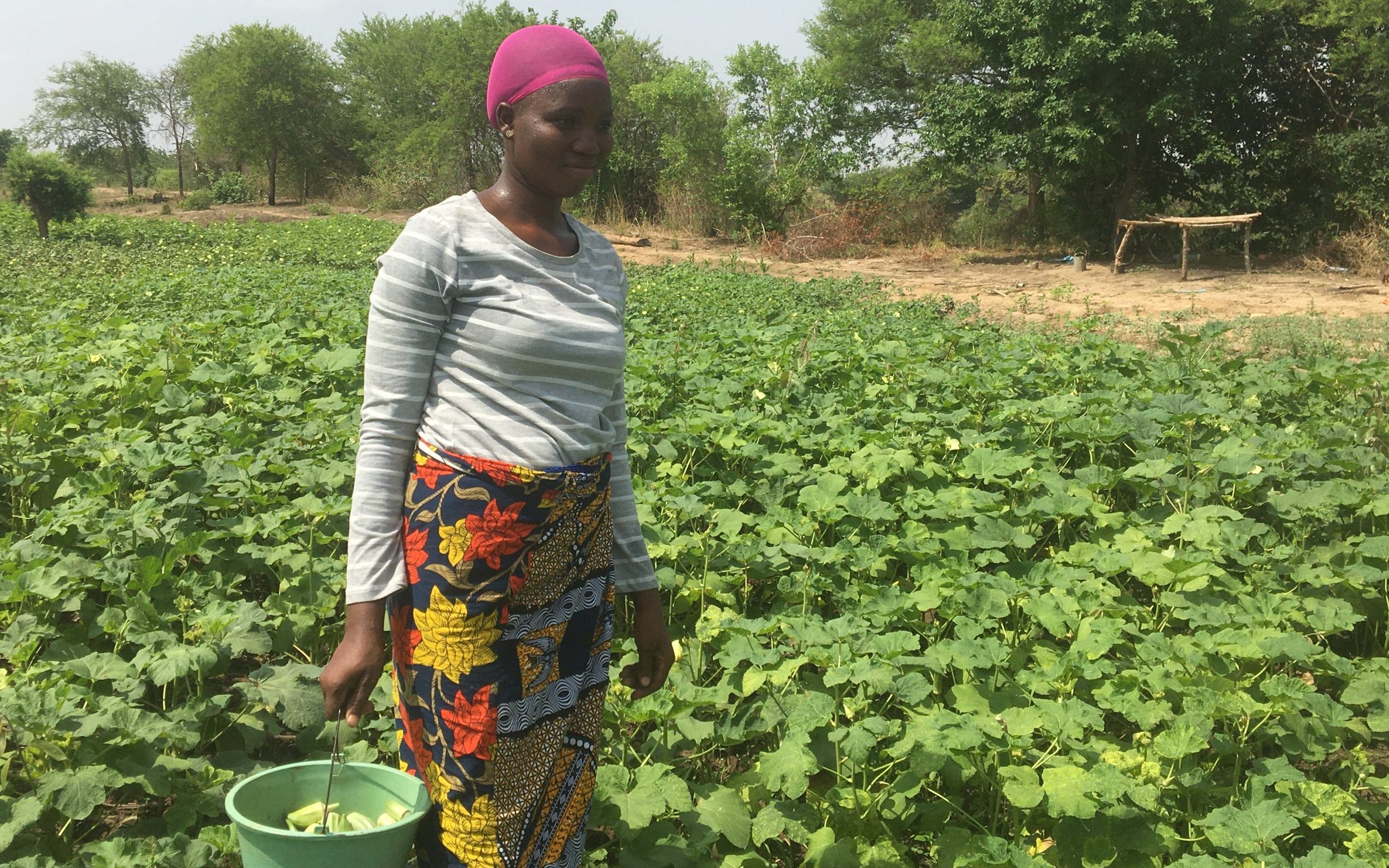
Ghana
As a critical global trade corridor — carrying roughly one-fifth of the world’s oil supply, significant volumes of liquefied natural gas, and approximately one-third of internationally traded fertilizer — disruptions in the Strait are driving price increases and rippling across interconnected energy, agriculture, and food systems.
These shocks come at a time when many economies were only beginning to stabilize following successive crises, adding new pressure to already strained supply chains and increasing risks in fragile contexts.
“All roads lead to higher prices and slower growth.”
A Global Shock with Uneven Impacts
The effects are global but not evenly distributed.
The current crisis, according to the International Monetary Fund, is “global, yet asymmetric.” Countries with high import dependence and limited fiscal buffers — many of them low-income — are most vulnerable.
Economies dependent on fuel and fertilizer imports, including Ethiopia, Uganda, and Ghana where Kinvia works, are experiencing the most immediate effects. Bolivia faces similar pressures, particularly through rising costs for imported refined fuels.
In these contexts:
- Food accounts for a large share of household spending
- Price increases translate quickly into reduced access to food
- Governments have limited capacity to offset rising costs
As a result, low-income households and smallholder farmers are disproportionately affected, with rising costs and limited safety nets deepening existing vulnerabilities
Agrifood Systems Under Strain
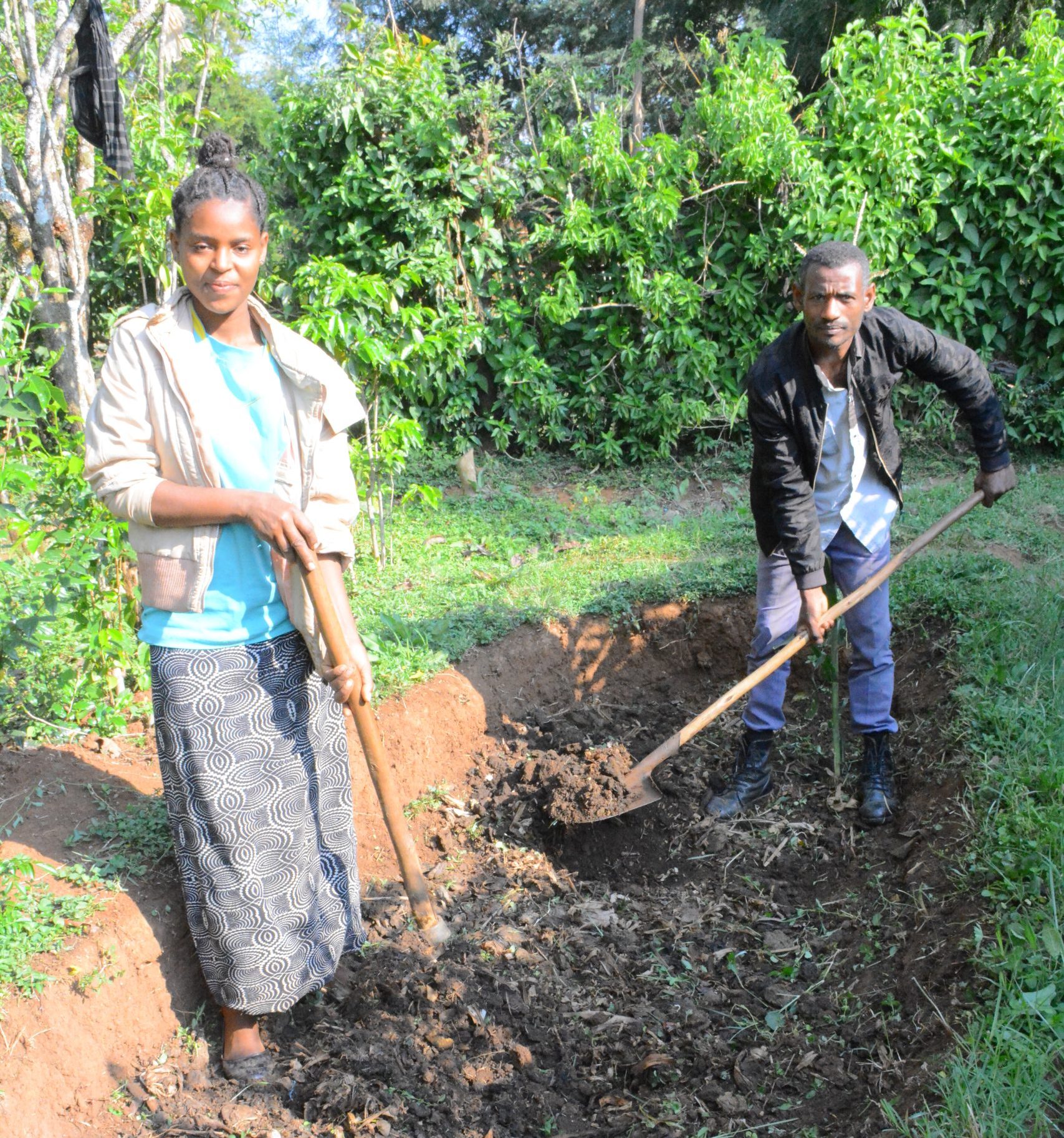
Ethiopia
Fertilizer supply chains are under intense pressure. When fertilizer becomes unavailable or unaffordable, farmers reduce application, plant fewer crops, or shift to lower-input varieties — all of which reduce yields.
At the same time, rising energy costs are increasing transportation and production expenses across the food system.
These pressures are compounded by broader shifts in how land and agricultural resources are used. In some contexts, rising input and energy costs are increasing pressure to divert crops toward energy production rather than food, further tightening global food supply.
“Farmers are facing a dual cost shock from rising fertilizer and fuel prices.”
These dynamics have particularly acute consequences for smallholder farmers, who often operate with limited financial buffers. Higher input and transportation costs, reduced yields, and rising food prices combine to reduce both incomes and purchasing power.
The Human Impact: Smallholders, Women, and Girls
Across Ethiopia, Uganda, Ghana, and Bolivia, these combined pressures are being felt most acutely by households already facing multiple, overlapping challenges, including climate variability, conflict, inflation, and slow recovery from the COVID-19 pandemic.
Rising food prices, reduced agricultural productivity, and the increasing cost of basic goods translate directly into fewer meals, lower dietary diversity, and difficult trade-offs.
Within households, these impacts are not evenly distributed, with women and girls being more vulnerable.
In Ethiopia, Uganda, and Ghana, where women are central to both food production and household food management, rising costs and reduced food availability often mean that women and girls absorb the impact through reduced consumption, increased labour and care burdens, and further limits on access to already-constrained resources. These pressures can also affect girls’ education, as, when resources are scarce, girls’ education is often deprioritized in favour of girls’ labour.
An Emerging Hunger Crisis
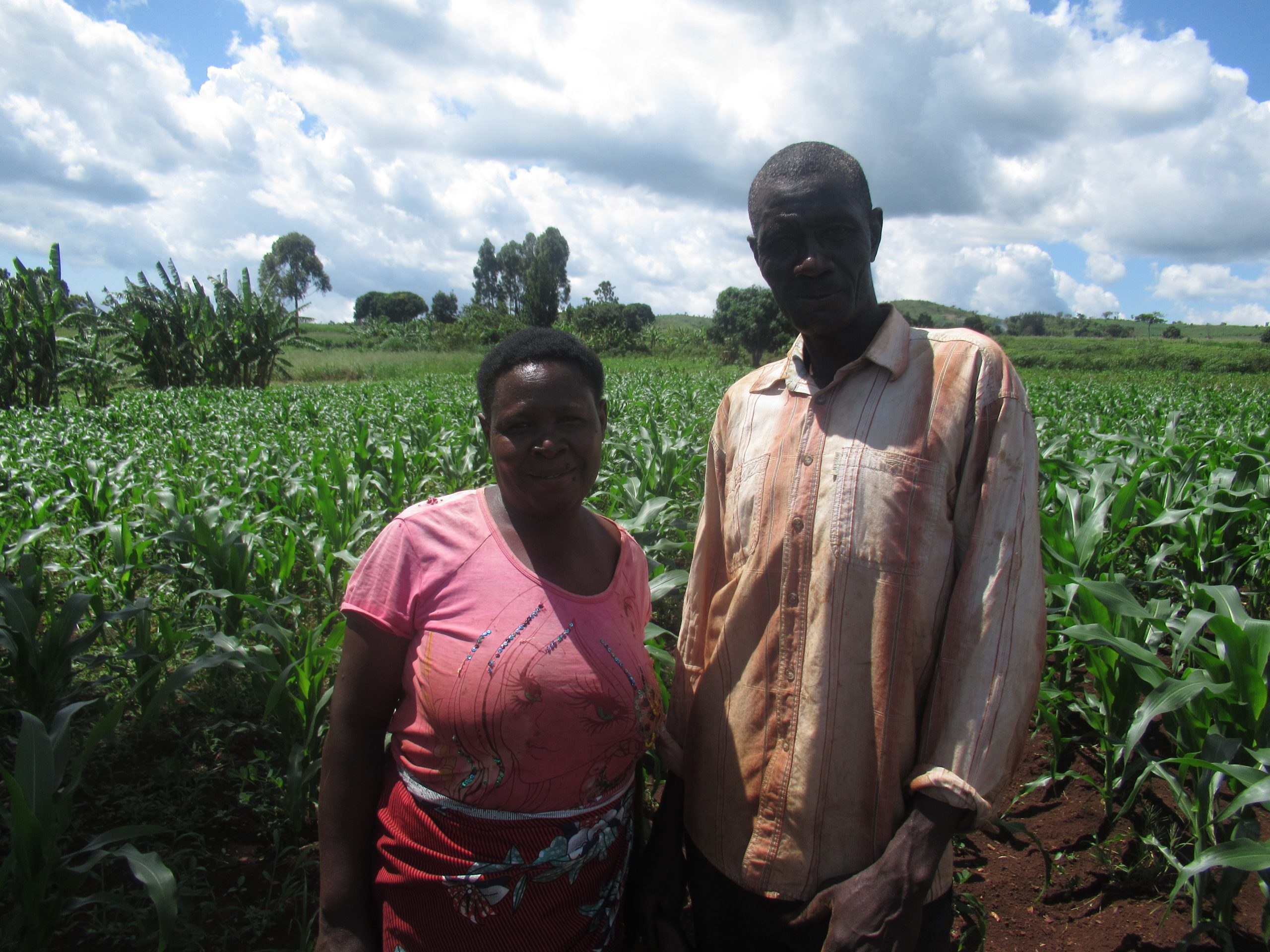
Uganda
Staple crops — wheat, rice, and maize — are particularly sensitive to fertilizer availability and together provide more than half of global dietary calories. Reduced production affects both direct household consumption and livestock production, further constraining food systems.
In response to rising costs, some households may be forced to sell livestock to meet immediate needs. While this can provide short-term income, it undermines longer-term food security and livelihood stability.
The World Food Programme warns that global food insecurity could reach record levels, with up to 45 million additional people facing acute hunger if the disruption persists into 2026.
“Low-income countries are especially at risk of food insecurity; some may need more external support — even as such assistance has been declining.”
What Comes Next
The near-term outlook depends on whether the current ceasefire holds, and the extent to which supply disruptions continue.
Even if conditions stabilize, disruptions during key planting periods are likely to affect agricultural output beyond the immediate crisis. As seen during the pandemic, supply chain disruptions and inflationary pressures can persist well after initial shocks subside.
Kinvia’s Response
In response, Kinvia is working with local partners in Ethiopia, Ghana, Uganda, and Bolivia to:
- Support smallholder farmers facing higher input costs
- Monitor changes in food access and affordability
- Work alongside communities to strengthen their capacity to manage economic shocks
- Adapt programming to meet community-defined priorities
We are also monitoring impacts in Canada. While less directly exposed, rising global energy and food prices are expected to increase domestic costs. These impacts are not evenly distributed — Indigenous Peoples in northern and remote communities, where food access depends heavily on transportation, are likely to face the greatest pressures.
Ongoing monitoring will be essential to understand how these dynamics evolve and to inform effective responses.
📖 Read the full topic update
WANT TO LEARN MORE AND TAKE ACTION ON GLOBAL FOOD SECURITY?
- 🌿Learn more about Kinvia’s work and how together we strengthen local food systems
- 🧡Give today to help communities and smallholder farmers facing rising costs and uncertainty
- 📖Read the full issue update


