
October 15, 2025
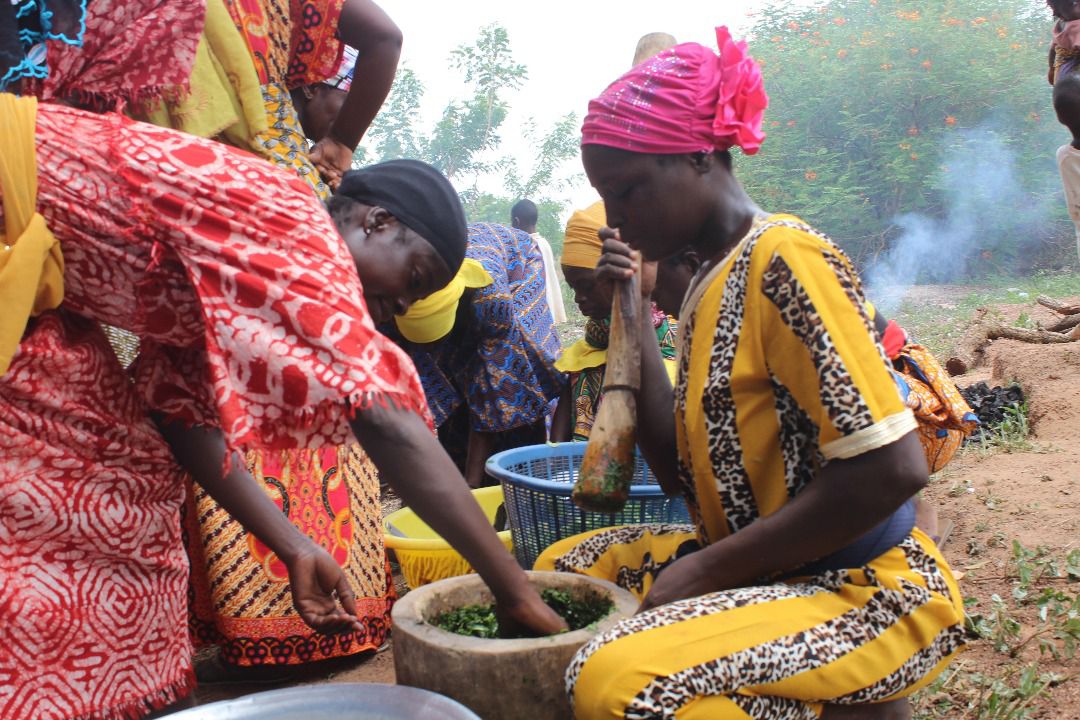
Photo: Ghana
In northern Ghana, a transformation is taking root – one meal at a time.
Across four communities in Ghana, a group of women – school cooks, mothers with young children, and members of local school and parent groups – are learning how to make traditional meals healthier using ingredients they already know and love. Through hands-on food demonstration sessions, participants explore ways to improve nutrition while preserving cultural flavours.
These sessions are more than cooking classes – they are spaces to share knowledge, strengthen community ties, and build confidence in feeding their families nutritious meals. Local ingredients like soy flour, fortified cereals, and vegetables are introduced in ways that complement familiar recipes, helping families access balanced nutrition without changing their diets drastically.
Meet the Instructor: Rahina’s Role in the Kitchen and Beyond
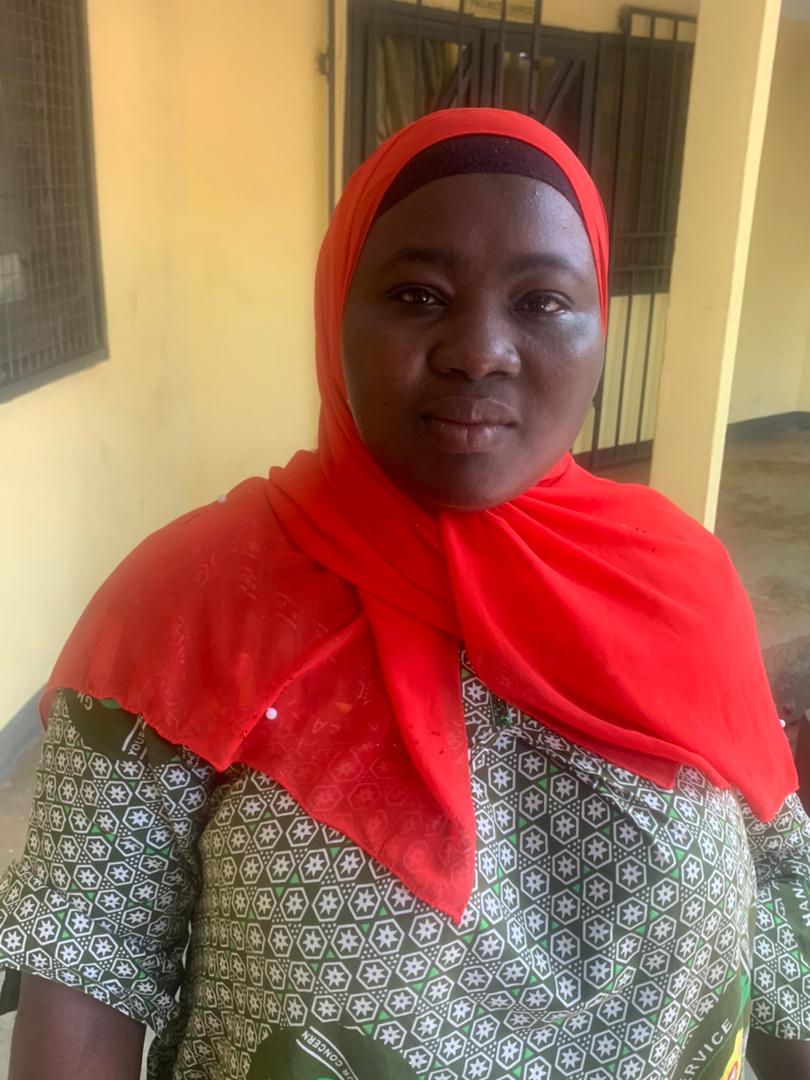
Rahina, Ghana
At the heart of the food demonstration sessions is Rahina, a registered nutritionist with Ghana Health Service. With nearly a decade of experience and a deep commitment to community health, Rahina was invited by RAINS, Kinvia’s long-term partner, to lead the initiative across the four participating communities.
As both a health professional and a mother of three, Rahina brings a practical, empathetic approach to her work. She guided participants through the preparation of familiar dishes using locally available ingredients, while introducing small but meaningful changes – like replacing Maggi cubes with natural flavorings such as dawadawa, and enriching meals with soy flour.
Her goal is to help families stay healthy by making nutritious food accessible, affordable, and culturally relevant. Under her guidance, caregivers learned how to prepare meals that support child growth and development, using ingredients they already grow and trust.
Community-led learning, community-wide impact
The program reached over 250 caregivers and mothers of children under five, as well as school cooks and community leaders. For many, it was the first time they learned how to incorporate soy flour into familiar dishes like Tuo Zaafi, and yam porridge.
Before the training, many children under five were experiencing stunted growth and signs of malnutrition. Rahina explained that the goal was to equip caregivers with the skills to prepare balanced meals using ingredients grown locally – reducing reliance on costly imported foods and improving health outcomes.
The impact is already visible. Felicia, a farmer and mother of two, shared how the training changed her family’s eating habits:
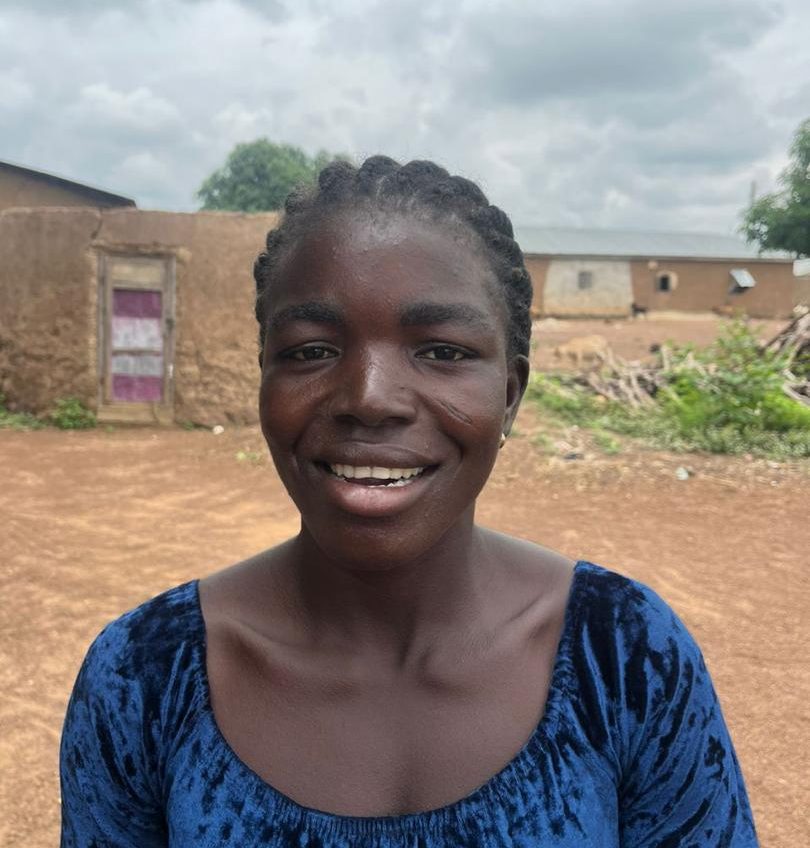
Yes, now I have noticed an improvement in my children skin colour and weight.
Even the youngest voices are part of the story.
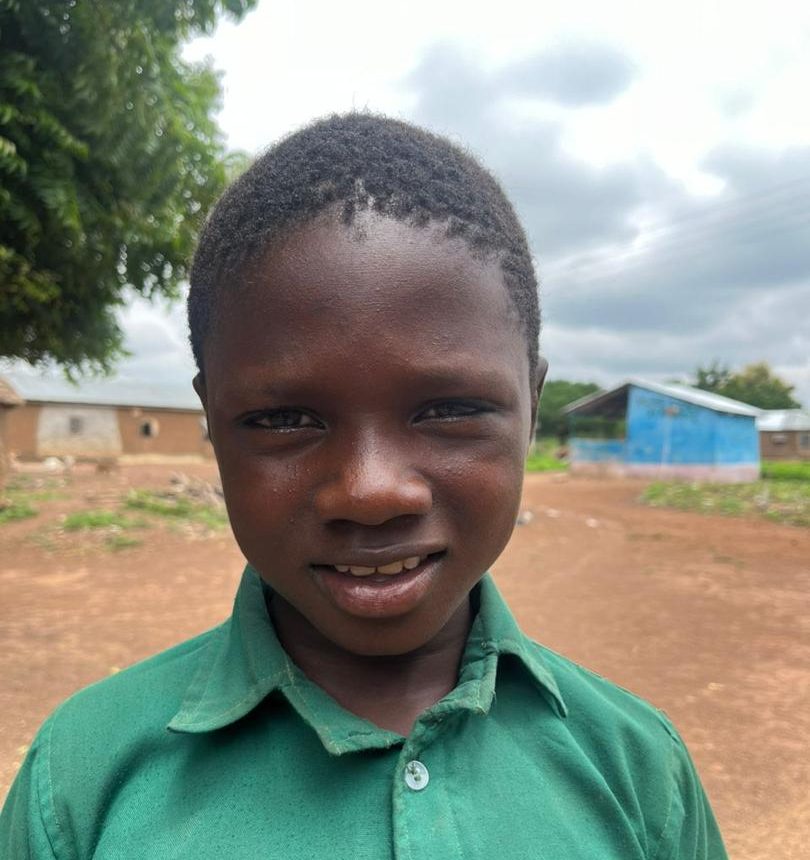
Yes, I attended and I liked it. I had food to eat that day with my friends. Now our meals are very delicious.
From Demonstration to Daily Life: A Taste of Yam Porridge
One of the most popular dishes from the food demos is Yam Porridge – a simple, nourishing meal that’s now a staple in many homes.
For those inspired to bring a taste of the program into their own kitchens, here’s how it’s made:
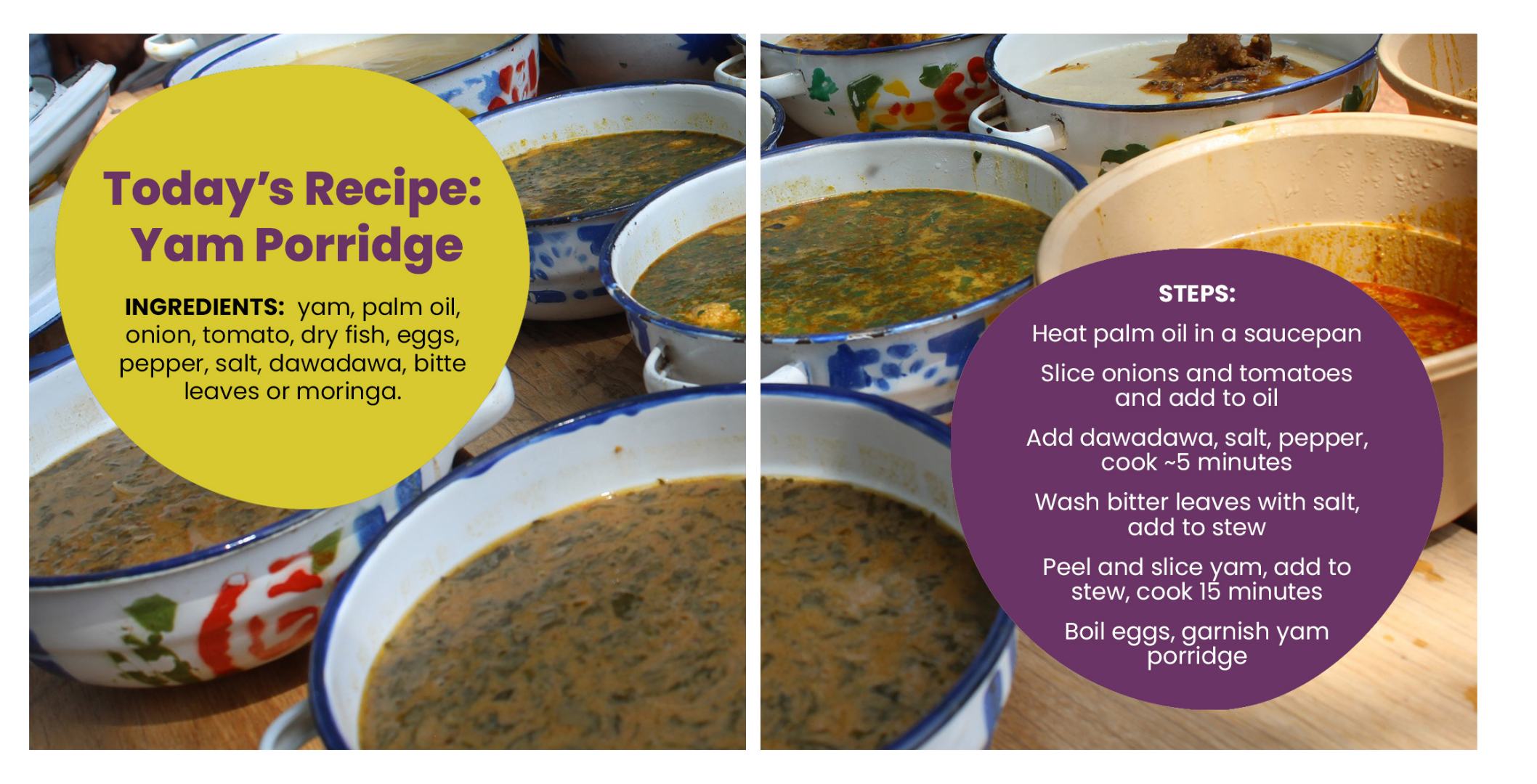
This dish is more than a recipe – it’s a reflection of how small, accessible changes can lead to healthier meals and stronger families.
The future of food security in Ghana is being shaped in kitchens, classrooms, and community gardens – and it’s being led by communities who are reclaiming knowledge, sharing skills, and nourishing the next generation.
This World Food Day, your support helps expand programs like these, where knowledge is shared, traditions are honoured, and children grow up healthy.
WANT TO LEARN MORE AND SUPPORT COMMUNITY-LED NUTRITION?
- Hands-on food demos are changing everyday meals — and children’s futures. Your gift helps scale these practical, culturally rooted approaches.
- Browse the Best.Gift.Ever to give the gift of nutritious meals and confidence in the kitchen!
- Also see: Growing Solutions: How Indigenous Communities Are Transforming Food Access Through Year-Round Greenhouses


