
October 8, 2025
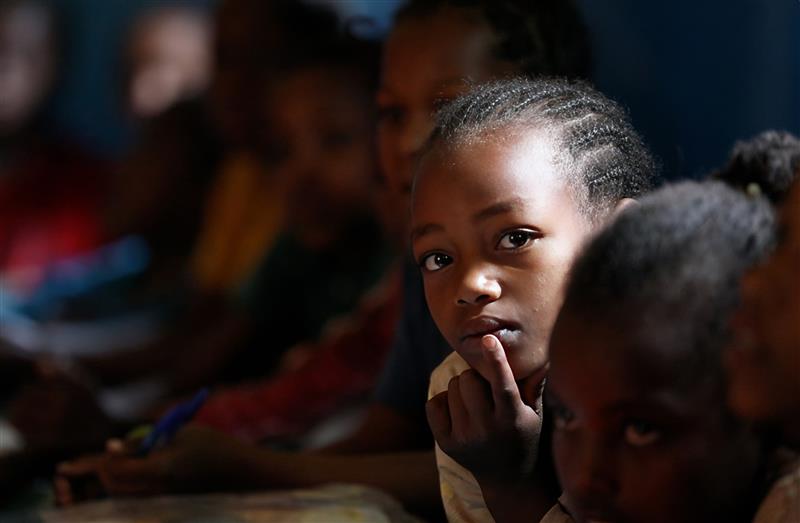
Photo: Ethiopia
There’s been a seismic shift in the landscape of development assistance in 2025. The tremors that were felt during the pandemic have turned into a full-scale earthquake with the withdrawal of the U.S. from its commitments to the humanitarian, development, equity, and climate imperatives that are central to achieving the UN Sustainable Development Goals (SDGs) by 2030.
These changes are destabilizing systems of support that millions rely on.
Kinvia’s recent topic brief, Altered States: The Social, Political, and Economic Forces Reshaping Philanthropy, explores the major shifts underway in the global development landscape in light of the most recent events including the imposition of global tariffs and dissolution of the US Agency for International Development (USAID) by the new U.S. administration.
Development agencies and philanthropists are grappling with the enormous challenge of filling the void left in a vastly changed social, economic, and political landscape.
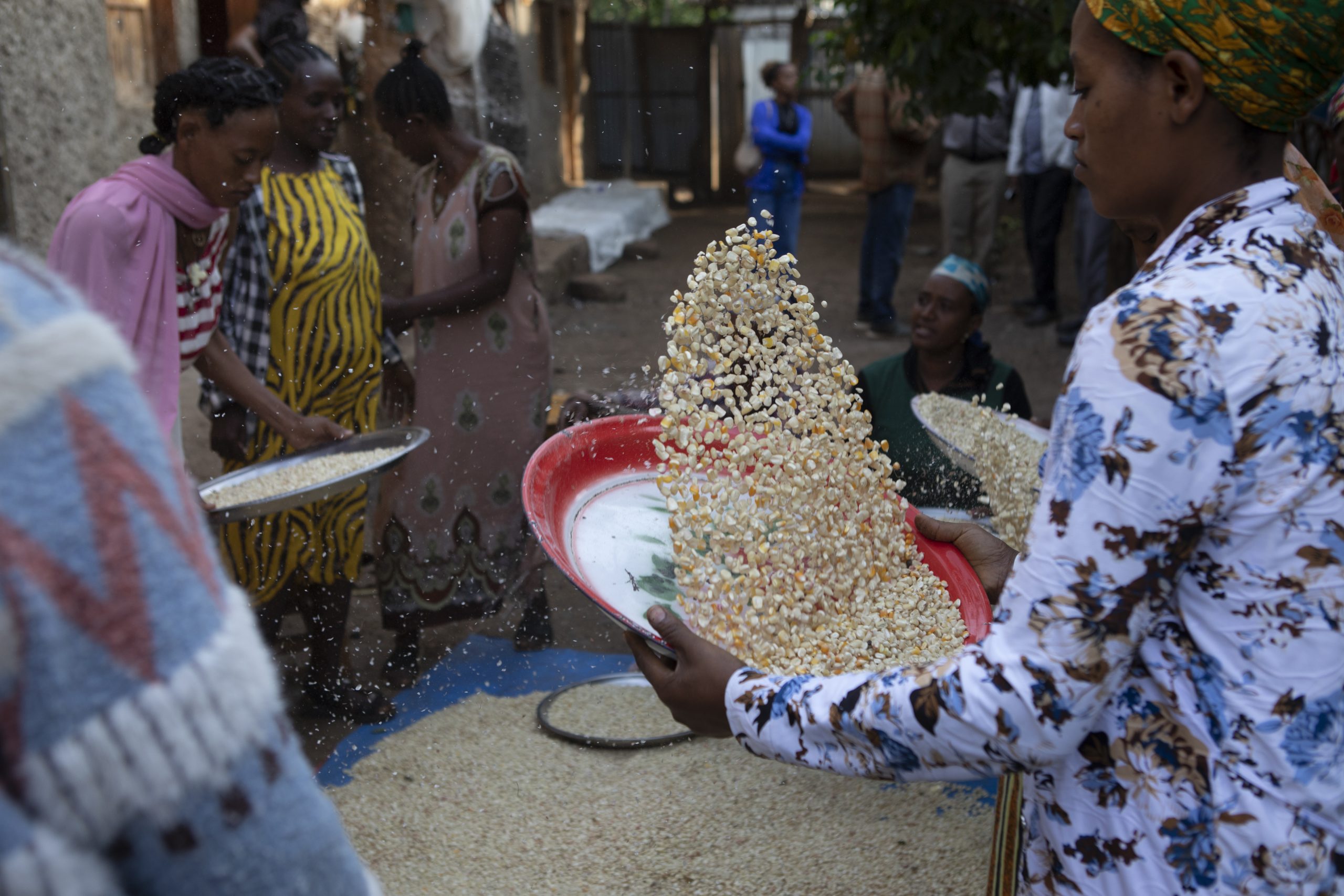
Ethiopia
The topic brief traces how the pandemic exposed vulnerabilities in the philanthropic sector as donor engagement fell while global need escalated dramatically. Post-pandemic economic recovery has been fragile and uneven and many in the Global South and within marginalized communities in wealthy countries like Canada have yet to see meaningful recovery.
The brief issues an urgent call to action: to prioritize investment where the need is greatest and where we can advance the Sustainable Development Goals for the most vulnerable populations internationally and in Canada.
This includes addressing critical areas of international need. Kinvia was proud to be among the 13 organizations that recently received funding through The Slaight Family Foundation’s NGO Emergency Support Initiative. The generous $1 million, two-year grant from the Foundation will sustain seven urgent, community-led projects in Bolivia, Ethiopia, Ghana, and Uganda, formerly funded through USAID.
But the reality is that the need is great and resources are stretched thinner than ever.
While all eyes, understandably, have been on the international implications of these recent events, there is also a risk of severe impacts for Indigenous Peoples in Canada.
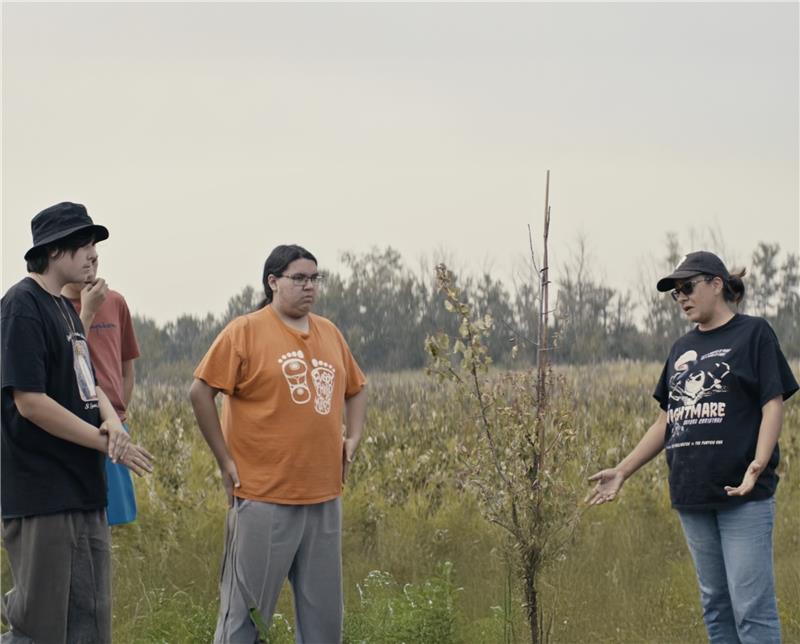
Beardy's & Okemasis' Cree Nation
As the Canadian economy is put under ongoing strain in the coming months and years, Indigenous communities – who already face disproportionate impacts of the high and rising cost of living – may be among the hardest hit by ongoing economic volatility, a likely further contraction of charitable giving, and philanthropists reconsidering their philanthropic priorities in favour of international needs.
While the current conversation emphasizes international priorities, we must also redouble our efforts to support Indigenous Peoples in Canada as they work to counter escalating threats from climate change, the compounding impact of inflation and economic uncertainty on food and income security, and the erosion of progress towards reclaiming food and cultural sovereignty.
WANT TO LEARN MORE AND SUPPORT COMMUNITIES THROUGH CHANGE?
- Read more in Altered States: The Social, Political, and Economic Forces Reshaping Philanthropy.
- Even in uncertain times, communities are leading the way with solutions rooted in care, culture, and connection. Your support helps these stories grow.
- Learn more about the impact of the Slaight Family Foundation in our blog Kinvia Receives $1 Million Grant from Slaight Family Foundation to Sustain Critical Community‑Led Programs.


