
December 22, 2025
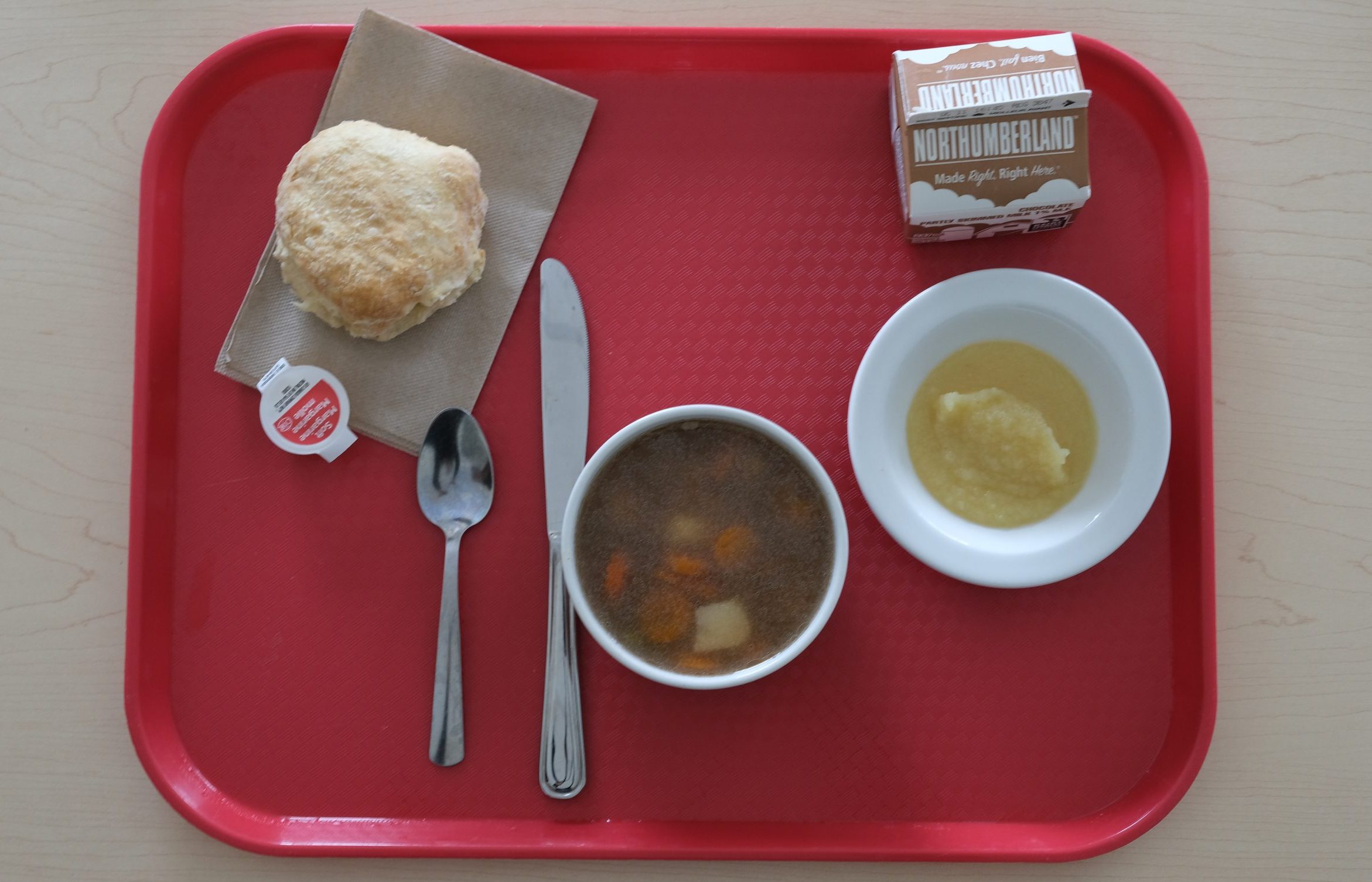
Photos: Elsipogtog First Nation
On October 10, 2025, Prime Minister Mark Carney announced that, after the five-year pilot which runs until 2028-29, the National School Food Program (NSFP) would become permanent with funding set aside in the recently-passed Budget 2025.
This long-awaited milestone signals a national commitment to children’s nutrition — one that advocates, educators, and communities have sought for decades.
The program will receive $216.6 million per year starting in 2029–30. And while this marks important progress, it doesn’t yet meet the scale of the need. As Debbie Field, national coordinator for the Coalition for Healthy School Food, put it: “It's not enough money, but at least the commitment is there now.”
A Fast Roll-Out — and Persistent Gaps
The NSFP moved swiftly from concept to implementation. By March 31, 2025, the federal government had signed bilateral agreements with all provinces and territories.
Funding allocated to Indigenous schools was intended to flow seamlessly, since federal support to these schools doesn’t require provincial agreements.
Yet, for many Indigenous communities, this hasn’t translated into more funds or clarity on when those funds might be available.
During a recent visit to Kinvia-supported Indigenous schools in New Brunswick, Marlen Mondaca, Vice President of Programs, noted that the school administrators she spoke with were still struggling with insufficient funding and a lack of resources to manage even the basics of their school food programs.
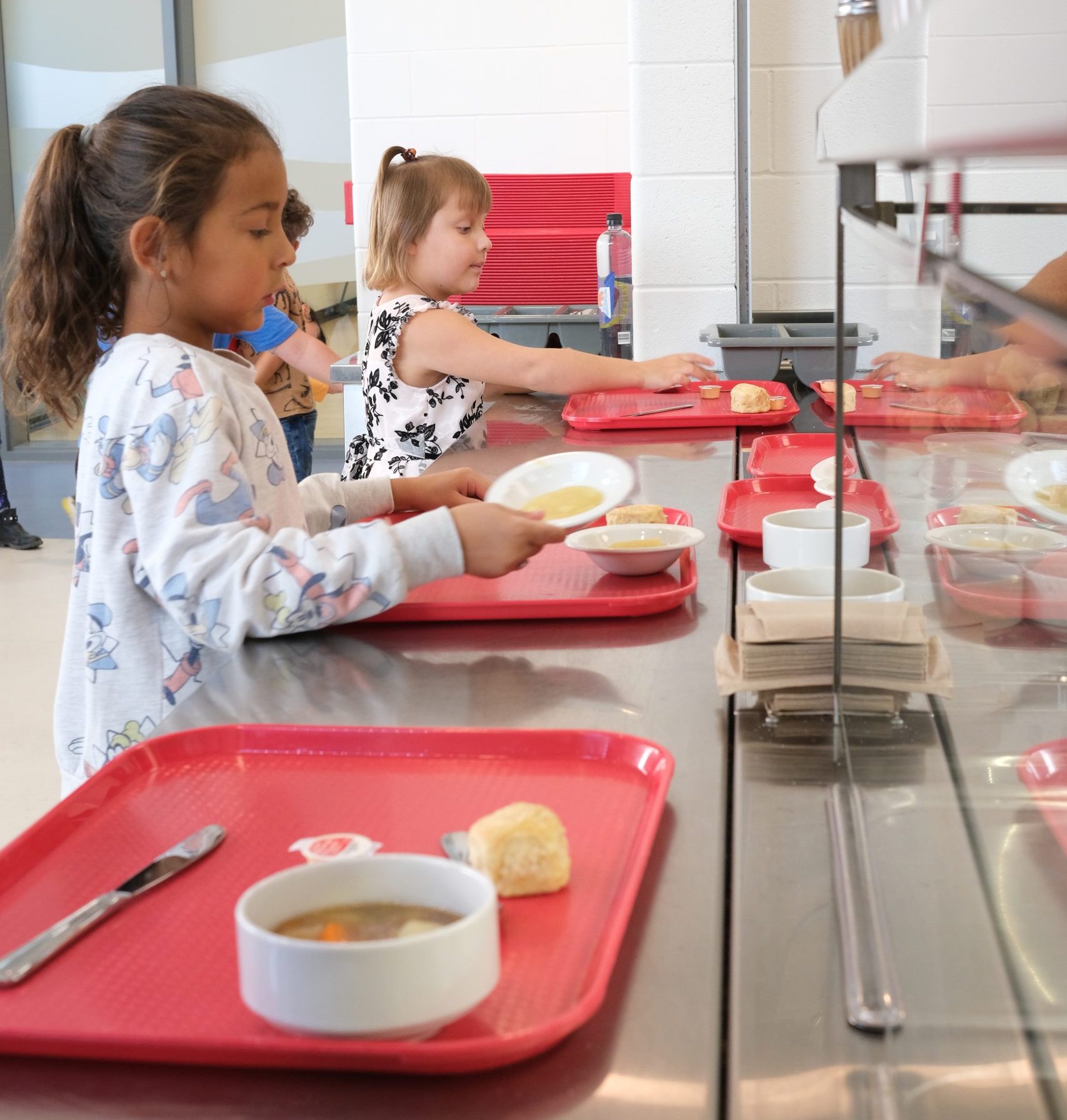
Many did not know how much money was received, or if they were recipients of any funding. In other cases, they received small amounts of money and are not sure of the disbursement schedule for further funding — making it difficult to plan.
The Funding Reality: Far Below the True Cost
Provinces and territories have already doubled their contributions to school food, from $200 million to $400 million. But even this combined investment falls short of what experts say is needed.
Field and school food researcher Amberley Ruetz of the University of Saskatchewan estimate that a full breakfast-and-lunch program would cost $4.50 to $6.50 per student per day, far higher than the current federal contribution of approximately $0.20 per student per day.
It’d be great if the federal government immediately matched what the provinces are doing … but eventually it is actually going to cost billions to give us a quality program.
This gap is especially stark for First Nations, Métis, and Inuit schools, where leaders have asked for $1 billion per year — an amount equal to the total committed for the five-year NSFP pilot — to meet needs in their communities alone.
Infrastructure: The Hidden Barrier
School food programs rely not only on healthy food, but also on kitchens, staff time, storage, transportation, and adequate equipment — costs not covered by the NSFP. As one school staff member shared with Kinvia, their school relies on a local food bank to donate food but “although the food is delivered, the school has problems receiving it, due to lack of staffing.”
According to Future of Good’s Diane Berard, “The infrastructure deficit is a significant hurdle to amplifying the national school food program.” She cites Judith Barry from the Breakfast Club of Canada, who points to federal estimates of $100 million per year required to upgrade school and community kitchen infrastructure.
Budget 2025 includes no funding for a renewed School Food Infrastructure Fund or Local Food Infrastructure Fund — despite both being referenced in the Liberal pre-election platform and recommended by the Coalition for Healthy School Food.
Why This Matters for Indigenous Communities
In Indigenous communities — particularly in remote or northern areas — these gaps are more severe, and they occur in the context of much higher costs for food and rates of food insecurity. Many schools lack adequate kitchen facilities, staffing, or resources for culturally relevant nutrition education.
Communities such as Elsipogtog First Nation have emphasized that with stable, dedicated funding for roles such as horticulturalists and curriculum supports, they could integrate gardening, food forests, and land-based learning more fully — essential components of a sustainable, community-led approach to child and community nutrition.
Kinvia’s Role: Strengthening Nutrition In and Beyond Schools
Kinvia currently supports school nutrition and food security programs in Indigenous communities across the country. These include:
- Supporting food purchases, equipment, and essential staffing
- Strengthening school gardens, greenhouses, and food forests
- Funding for land-based education tied to hunting, fishing, and food gathering
- Helping integrate Indigenous knowledge and food traditions into school and community nutrition efforts
These initiatives are part of a larger vision: local food systems that are Indigenous-led, capacity-strengthening, and designed to nourish children every day and all year-round.
Looking Ahead: Advocacy and Action
Ensuring the NSFP receives permanent funding is an important step. But permanence alone is not progress. Kinvia and its donors must engage in ongoing advocacy to create a system that is equitable, health-supporting, and responsive to current and emerging needs.
True progress requires:
- Scaling funding to match the real cost of high-quality, nutritious meals
- Closing infrastructure and staffing gaps
- Ensuring transparent, equitable allocation of resources
- Centring Indigenous leadership, culturally appropriate food, and local food systems
Donors have a critical role to play in supporting solutions that nourish children today and strengthen food sovereignty for generations. Kinvia remains committed to this work — and we invite you to join us in building a future where every child has access to nutritious food, every day, in ways that honour culture, community, and Indigenous self-determination.
📖 Read the full topic update
WANT TO LEARN MORE AND TAKE ACTION FOR CHILDREN’S NUTRITION?
- Learn more about Kinvia's work with Indigenous Peoples, and how together we strengthen school nutrition and land-based learning.
- Give the gift of School Meals! – make a meaningful gift that ensures children receive nourishing meals while supporting education and community wellbeing.
- Read the full topic update CANADA MAKES NATIONAL SCHOOL FOOD PROGRAM PERMANENT


