
Kinvia participates in Cooperation Canada’s Hill Day during International Development Week 2026
March 23, 2026

Photo: Stephanie D'Souza, MP Fares Al Soud, Adnan Qader, and Iris Bernheim.
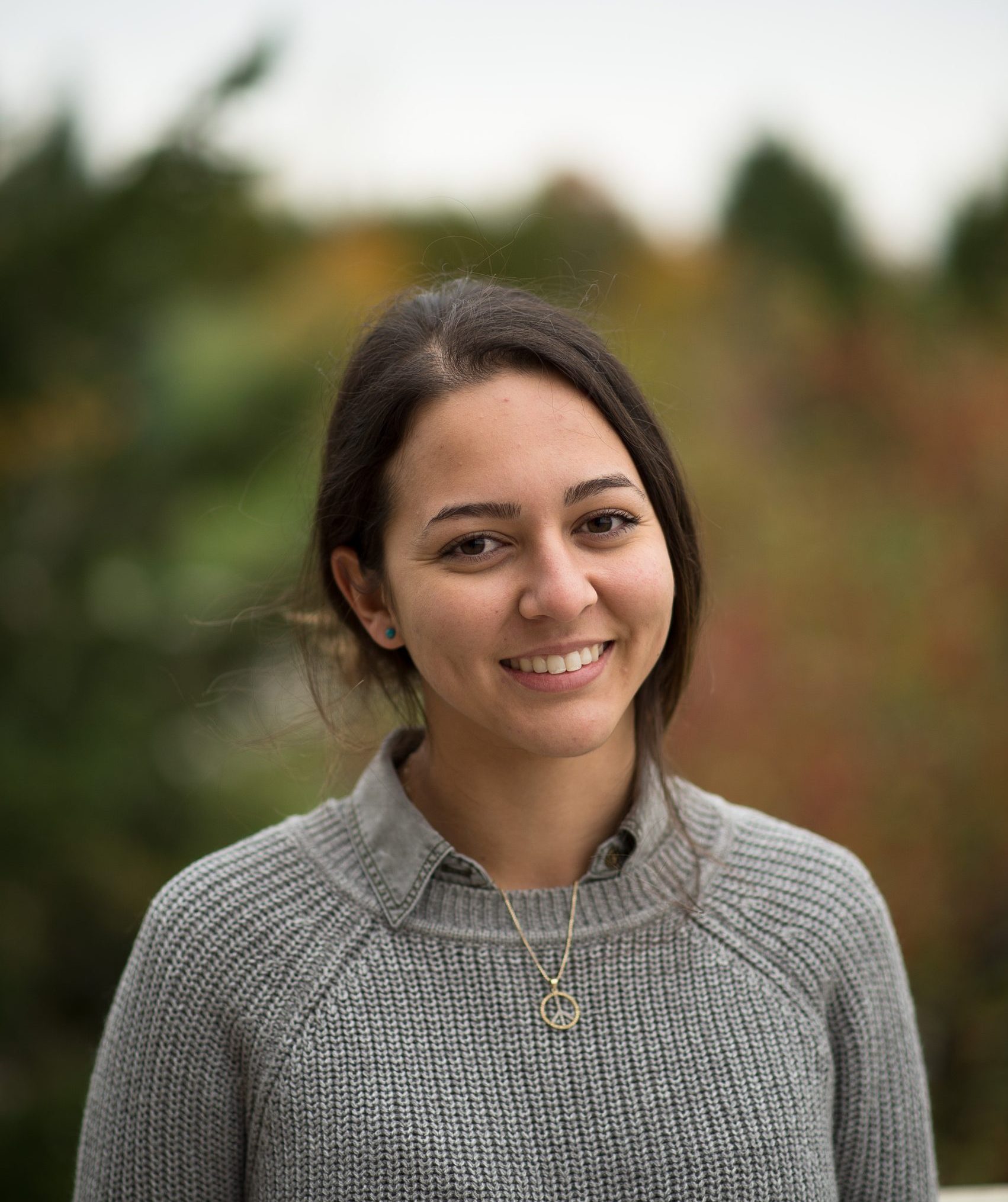
Stephanie D’Souza, Senior Officer for Monitoring, Evaluation, Accountability, and Learning (MEAL)
At a time when the world is facing overlapping crises, spaces for direct dialogue between policymakers and the international cooperation sector are more important than ever. Hill Day, held during International Development Week (February 1 to 7, 2026), creates one of those spaces.
Each year during International Development Week, members of Cooperation Canada gather on Parliament Hill to engage Canadian decision-makers on the importance of global leadership.
Stephanie D’Souza, Senior Officer for Monitoring, Evaluation, Accountability, and Learning (MEAL) at Kinvia joined representatives from across the sector to participate this year. Delegates met with 37 Members of Parliament, Senators, and political staff from all major parties to discuss the importance of strengthening Canada’s role in international cooperation.
Prosperity Through Partnership
This year's Hill Day was held under the theme of Prosperity Through Partnership. Strategic and sustained international cooperation is one of the most effective tools Canada has to secure its economic future, protect national security, and lead globally with credibility and purpose reinforcing the values we stand for.
Cooperation Canada’s advocacy training and direction ensured conversations reinforced three clear messages:
- Position international cooperation as a core pillar of Canada’s foreign policy.
- Ensure a significant portion of Canada’s international assistance is dedicated to reducing poverty and inequalities, targeted to low-income and fragile contexts.
- Uphold international law, including international humanitarian law (IHL) and international human rights law (IHRL), and principled humanitarian action.
Discussions emphasized the importance of defending and strengthening Canada’s Official Development Assistance (ODA) amid rising global needs. Members highlighted ODA’s proven impact and its strategic value as a tool for global security, economic partnership and Canadian leadership grounded in predictability and multilateralism*.
“We are in a time of rising instability. I’ve heard it called the polycrisis – there are multiple crises happening at the same time that have compounding effects: conflicts, climate shocks, instability, displacement, and human rights are being threatened,” shares Stephanie. "These aren't distant concerns. Since we live in a very globalized world, many things that happen elsewhere affects Canada and Canadians and vice versa."
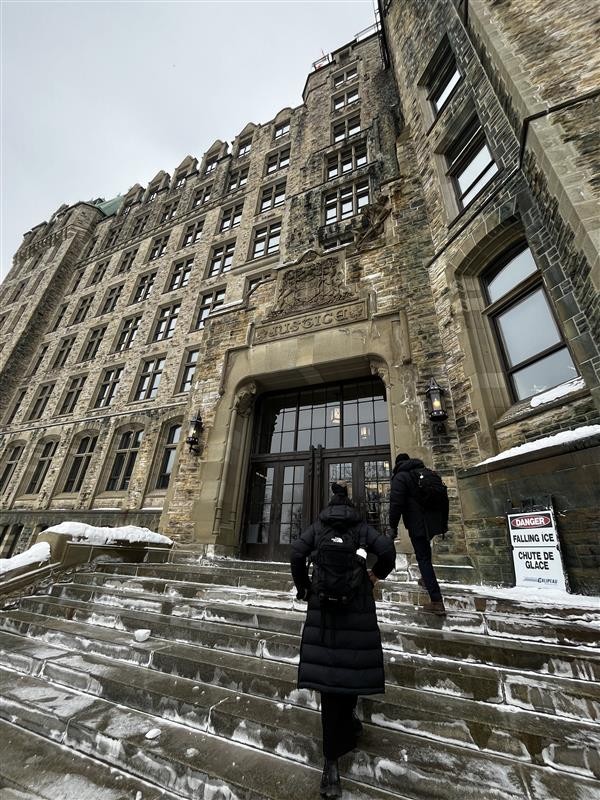
Parliament Hill, Ottawa
Trade, affordability, and domestic economic pressures came through in many meetings and the delegates adapted – discussing how impact and accountability, and international cooperation connects to stability that matters to Canadians too.
While the conversations were relatively short, they opened the door to meaningful discussion about complex global challenges shaping international cooperation.
Stephanie spoke to what Kinvia's work looks like on the ground – supporting smallholder farmers, strengthening local food systems, and helping women entrepreneurs build lasting livelihoods through programs like Village Savings and Loan Association Groups (VSLAs) and climate-smart agriculture training. This community-led work focuses on prevention and dignity. When families have access to food, economic opportunity, and safety, the conditions that push people to leave their homes and communities begin to ease.
“Local stability has a ripple effect that reaches far beyond any single community,” says Stephanie.
At its core, international cooperation is rooted in partnership. An understanding that global challenges require collective solutions.
Global Challenges Require Collective Solutions
At its core, international cooperation is rooted in partnership. An understanding that global challenges require collective solutions.
Hill Day conversations also highlighted what is at risk. Around the world, reductions in international assistance funding are already being felt. Cuts to major aid programs are expected to have serious consequences, with the most vulnerable – women and children – likely to face the greatest impact.
"Quite frankly, lives are at stake," says Stephanie.
The effects reach across global health, food security, humanitarian response, and conflict prevention. These systems are deeply connected and difficult to rebuild once they unravel.
"I've started to see international assistance as a global-scale version of mutual aid, and it's very important," says Stephanie. "The root of this work is relationships and connections. International assistance is a reciprocal global expression of the same values that show up in communities when neighbors look out for one another. Not aid flowing in one direction.”
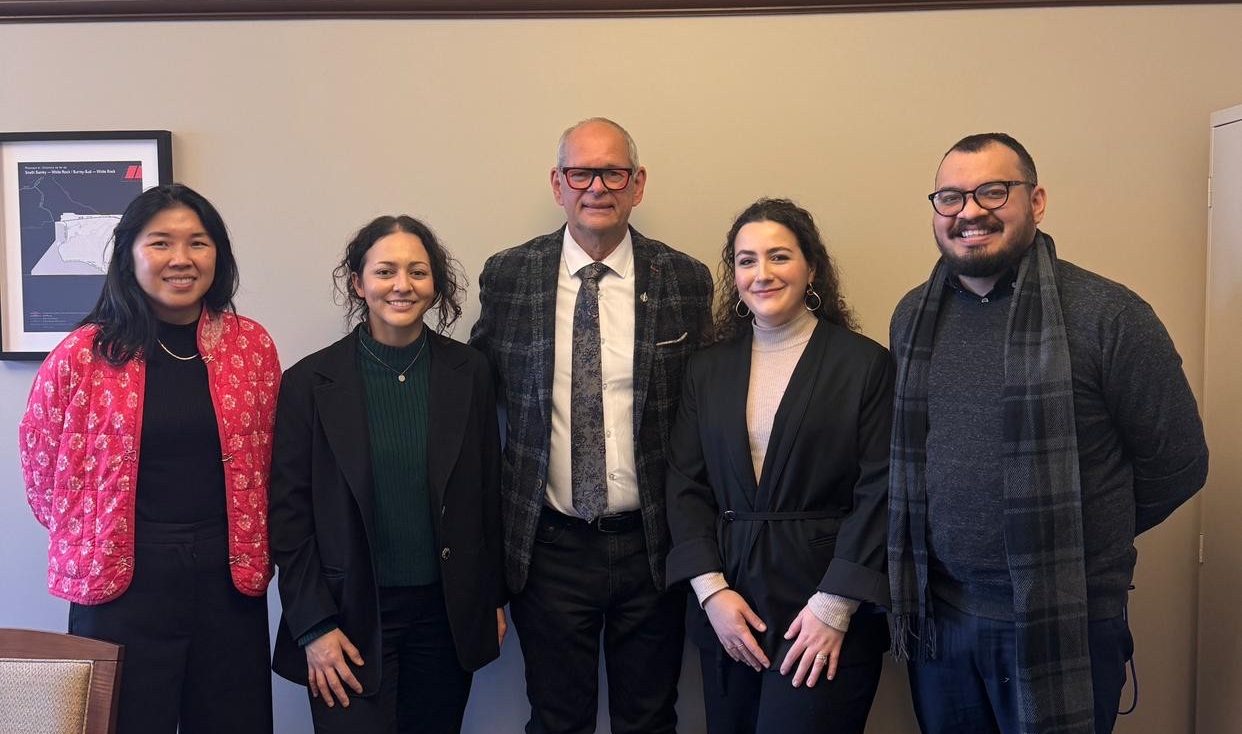
Thi Van Hoang, Stephanie D'Souza, MP Ernie Klassen, Iris Bernheim, and Adnan Qader
The priorities raised during Hill Day are reflected in Kinvia’s work every day. Reducing funding, or shifting priorities away from areas like food security, risks undermining the outcomes international assistance is meant to achieve.
“At Kinvia, we view partnership as fundamental to our work of poverty reduction and working alongside local partners and communities,” says Jacquelyn Wright, President & CEO, Kinvia. “Fundamental to this is the values and commitment that the Government of Canada has made for decades to providing funding through civil society, to reduce poverty and inequalities with a particular focus on low-income and fragile contexts. Kinvia primarily focuses on food systems that lay the foundation for the right to nutritious, culturally appropriate food. We know there are many systemic barriers and challenges to creating a functioning food system and so do our donors. Canadians provide funding to Kinvia to support communities where there are multiple barriers and weak food systems. We encourage our government to do the same and protect the decades of investment in poverty reduction.”
International Development Week and Hill Day serve as a reminder that Canada has both an opportunity and a responsibility to contribute to a more stable and equitable world. Maintaining international commitments is not only a reflection of values, but also an investment in the systems that support global cooperation and shared prosperity.
You are a vital part of this work. By learning about the communities Kinvia walks alongside, sharing stories of resilience, and engaging with community-led programs that strengthen local food systems and livelihoods, you help ensure that international cooperation continues to create lasting impact.
Every connection, every voice, and every act of support contributes to stronger communities, greater stability, and a more just world.
*Cooperation Canada: Looking Back on International Development Week 2026: Advocacy, Engagement and Momentum for Global Leadership. February 9, 2026.
Want to learn more about international cooperation in action?
- Learn more about Kinvia’s mission and how you can help create a world where children, youth, and communities thrive, realizing their full potential.
- Your support helps community programs strengthen food security, livelihoods, and brighter futures for families. — donate today.


