
June 23, 2025

Photo: Community partners from Neyaashiinigmiing (Chippewas of Nawash Unceded First Nation), Beardy's and Okemasis’ Cree Nation, Red Rock Indian Band (Lake Helen Reserve), Elsipogtog First Nation, Ahtahkakoop Cree Nation, and Waywayseecappo First Nation.
In many Indigenous communities across Turtle Island (Canada), fresh fruits and vegetables are more than just a healthy eating recommendation, they’re a necessity for tackling food-related diseases. But high prices, limited access to grocery stores, transportation challenges, and other barriers make high-quality, nutritious produce difficult to come by.
Now, with funding from the Public Health Agency of Canada (PHAC) in partnership with Impact Canada, Kinvia is working alongside six First Nations as they tackle the high incidence of Type 2 Diabetes (T2D) in their communities using 365-day greenhouses.
Uniquely suited to northern climates, the greenhouses are being custom-built and integrated into each community’s food and health programs, including land-based education initiatives, school and community nutrition programs, and community gardens and food forests.
Food insecurity and healthy eating: Intertwined struggles
Across Turtle Island (Canada), Indigenous Peoples face disproportionately higher rates of food insecurity, chronic disease, and inadequate access to nutritious foods.
Nationally, nearly half of First Nations adults living on reserve experience food insecurity – more than three times the rate of the general Canadian population. The prevalence of Type 2 Diabetes is also significantly higher among Indigenous Peoples: First Nations adults are diagnosed at rates three to five times greater than non-Indigenous Canadians. The consumption of fresh fruits and vegetables also typically lags behind national averages, with between 17 and 20 percent of First Nations residents on reserve meeting the daily recommended intake of fruits and vegetables, compared to around 30 percent of non-Indigenous Canadians.
These disparities are rooted in longstanding inequities in the social determinants of health, shaped by colonization, the loss of traditional food systems, and limited access to fresh, affordable produce. Reliance on processed, shelf-stable foods is often the only option in remote areas where nutritious alternatives are scarce, expensive, or require transportation that many cannot afford.
A new chapter: 365-day greenhouses take root
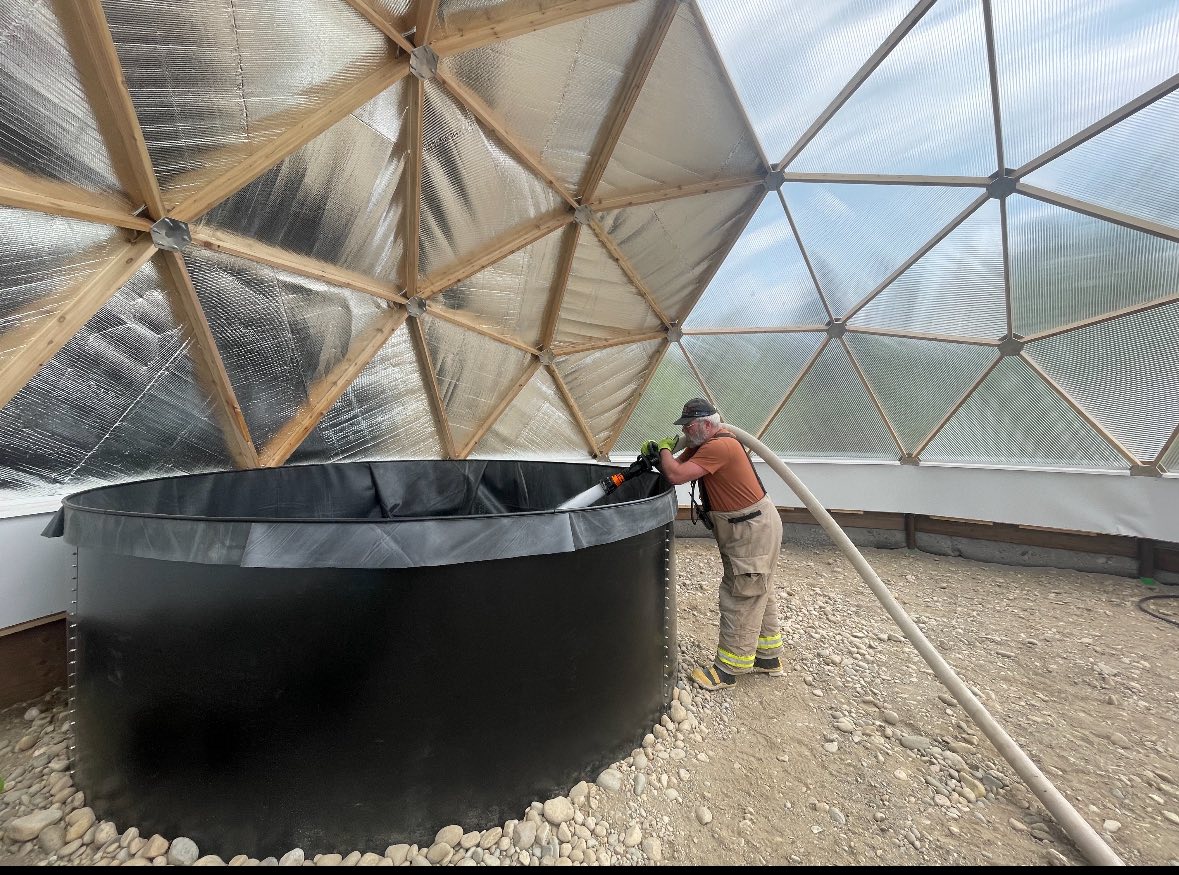
A community member filling the pond in Red Rock Indian Band's greenhouse.
Waywayseecappo First Nation (Treaty 4, Manitoba), Beardy’s and Okemasis’ Cree Nation (Treaty 6, Saskatchewan), and Elsipogtog First Nation (Mi'kmaq, New Brunswick) – the first three of the six communities that are part of the Type 2 Diabetes Challenge project – are among those that face high rates of food insecurity along with high rates of food-related illnesses including Type 2 Diabetes (T2D).
As of early 2025, these three communities were in the final stages of completing their greenhouse builds and most have started growing produce. [Editor’s note: as of early summer 2025, the wildfire situation in Northern Canada among other circumstances, has delayed progress on construction and planting as communities support one another during these challenging times.]
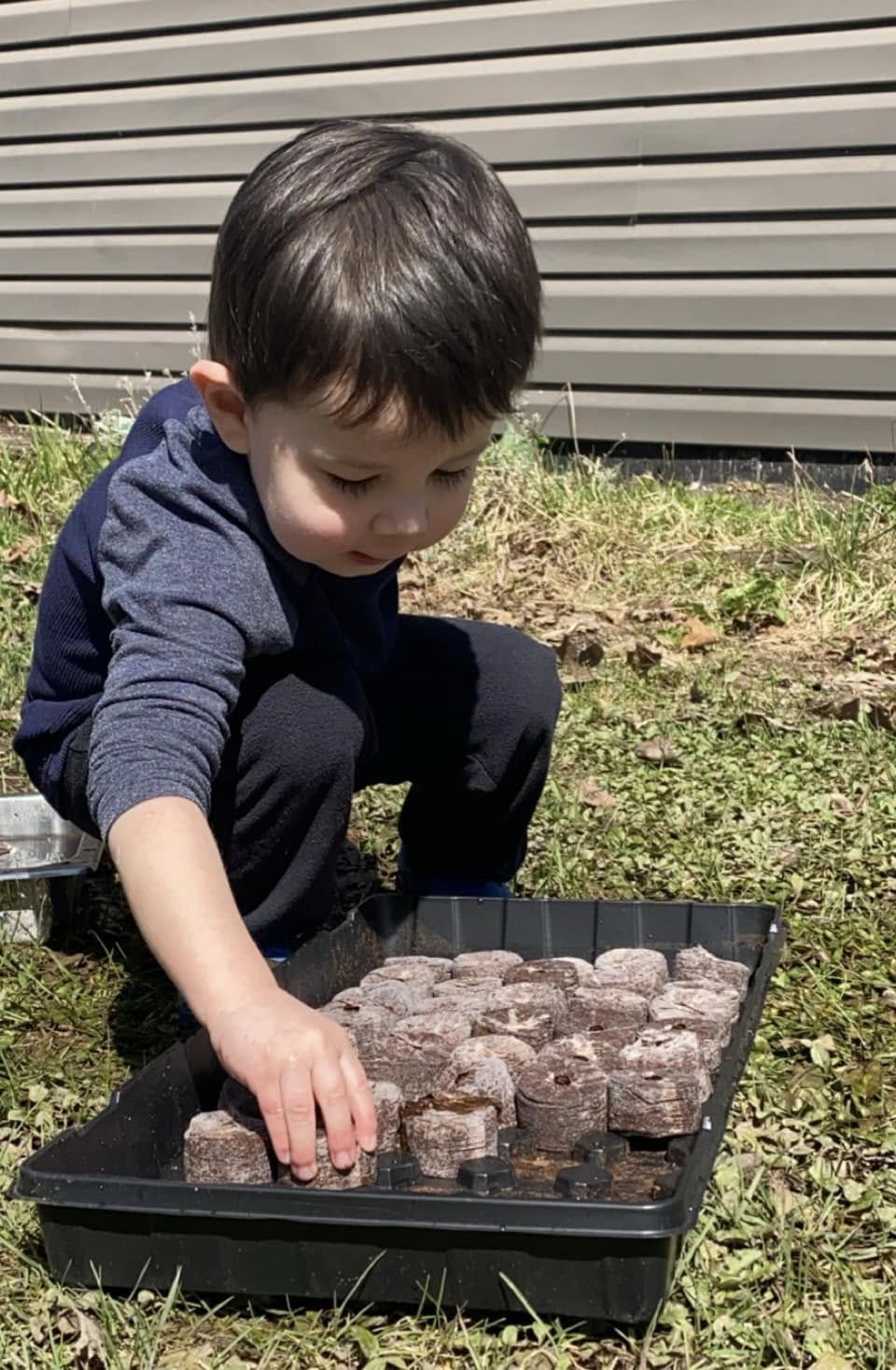
A young boy helps prepare a tray of zucchini, cucumber, and squash seedling starters for the greenhouse in Neyaashiinigmiing.
Progress is also well underway in the other participating communities. At Ahtahkakoop Cree Nation, newly appointed Land Manager Ian is applying his two decades of construction experience to lead the greenhouse build. His expertise is already proving vital as the project enters its next phase.
Red Rock Indian Band in northern Ontario has successfully completed the greenhouse structure and recently filled in a new pond to support the greenhouse’s ecosystem. While the interior garden beds are still underway, planting has already begun.
In southern Ontario, Neyaashiinigmiing (Chippewas of Nawash Unceded First Nation) is building accessible garden beds for Elders and community members with mobility challenges. The greenhouse is already home to tobacco starters donated by a community member, sweet potato seedlings, and seeds started by local students and families – many of which will be moved into a new medicine garden this season.
Leading the way
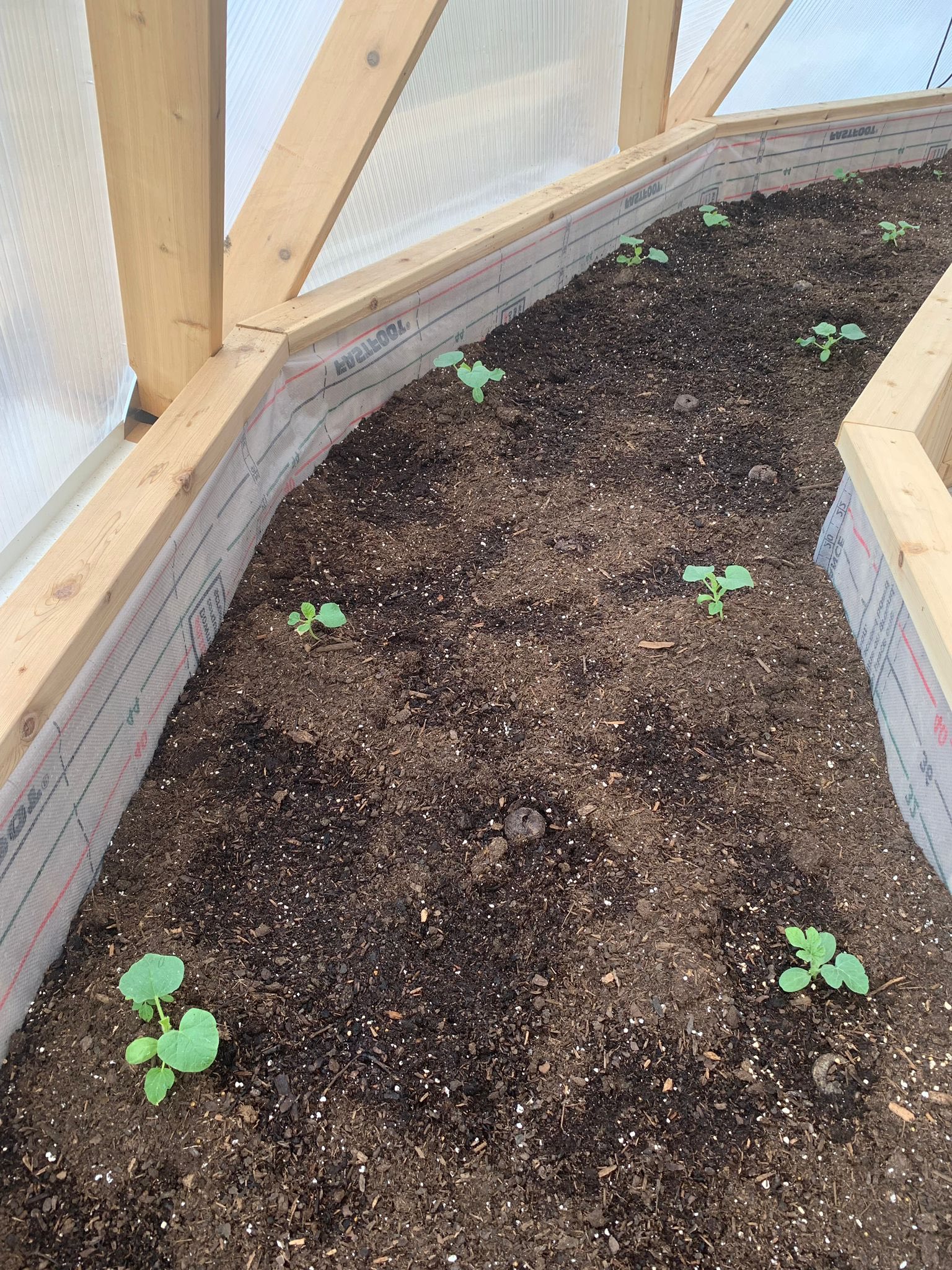
Garden beds in Waywayseecappo starting to sprout tomatoes, peppers, carrots, cantaloupe, watermelon, romaine lettuce, peas, and cucumbers, and even traditional tobacco.
In Waywayseecappo, the excitement around the new greenhouse is palpable. The greenhouse, now complete, stands just steps from the elementary and high schools. With more than 375 students in the community’s K–12 schools, educators are eager to use the greenhouse to provide fresh food to students and teach them how to grow their own food.
Plans include incorporating the greenhouse into land-based learning, nutrition education, and seed-starting programs. Students will take seedlings home to encourage household gardening. Elders will also join students in the greenhouse, providing intergenerational opportunities to share cultural teachings and food knowledge.
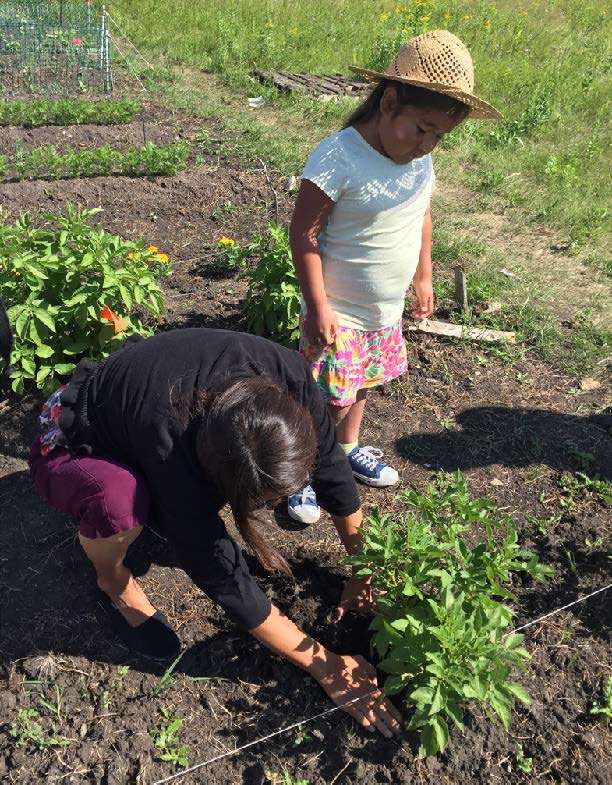
Re-introducing Indigenous youth to a land-based educational system [is] a means of re-attaching the severed familial and communal ties. …Traditional land-based education practices such as hunting and gathering form strong bonds between participants and nature, and lay the foundation for interpersonal community relationships.
Community members are especially excited about the potential to grow berries and medicinal plants locally – foods that are not easily available in local stores. One resident noted that this could significantly reduce dependence on unhealthy processed foods, which has long been the default due to convenience and cost.
Beardy's builds its capacity
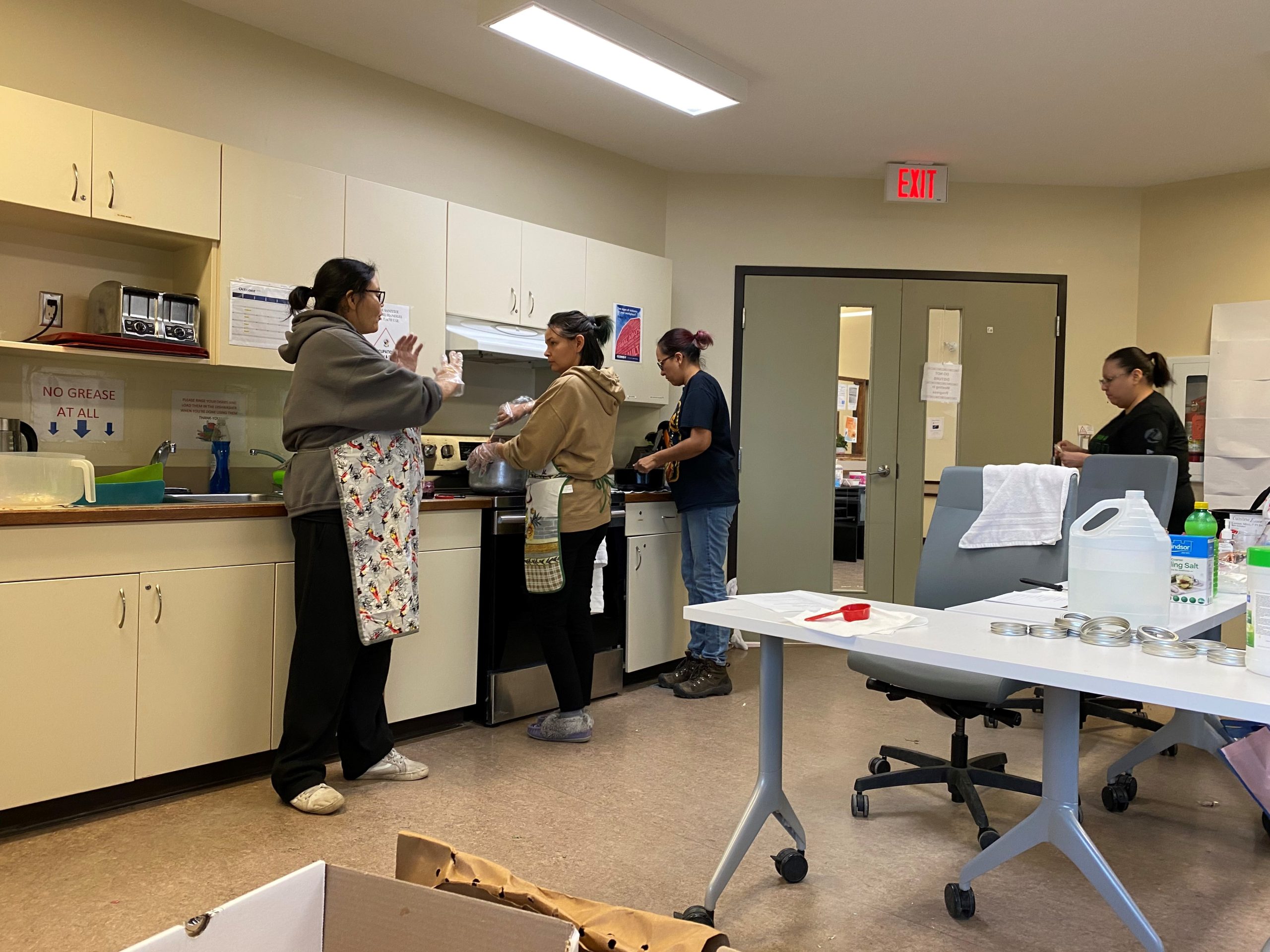
A monthly cooking class as part of the Aboriginal Diabetes Initiative
The Beardy’s and Okemasis’ community faces many of the same food access challenges as other Indigenous communities. Approximately 300 community members, out of a population of 1,700, are registered for the Aboriginal Diabetes Initiative, though it is believed many others are undiagnosed or at high risk. Transportation and childcare issues present barriers to enrolment; nevertheless, the community is committed to improving health outcomes and strengthening local food systems.
They have a solid foundation for doing so. Beardy’s food forest and community garden, now in their third year, have started to engage people on all things food and health. While there is a growing connection to the land, the community is still in the early stages of re-learning traditional practices of hunting, harvesting, and food processing.
It is hoped that the new greenhouse will escalate these efforts. Located near the development and training centre, and close to the K-8 school, community members envision growing traditional medicines, integrating the dome into school curricula, and using it as a space for cultural teachings and storytelling.
Students are showing enthusiasm for growing their own food and the greenhouse is expected to supplement the food available to schools and to Elders and families in need.
When students grow it themselves, they’re more likely to eat it – and to be proud of it.
Cultivating culture and community at Elsipogtog
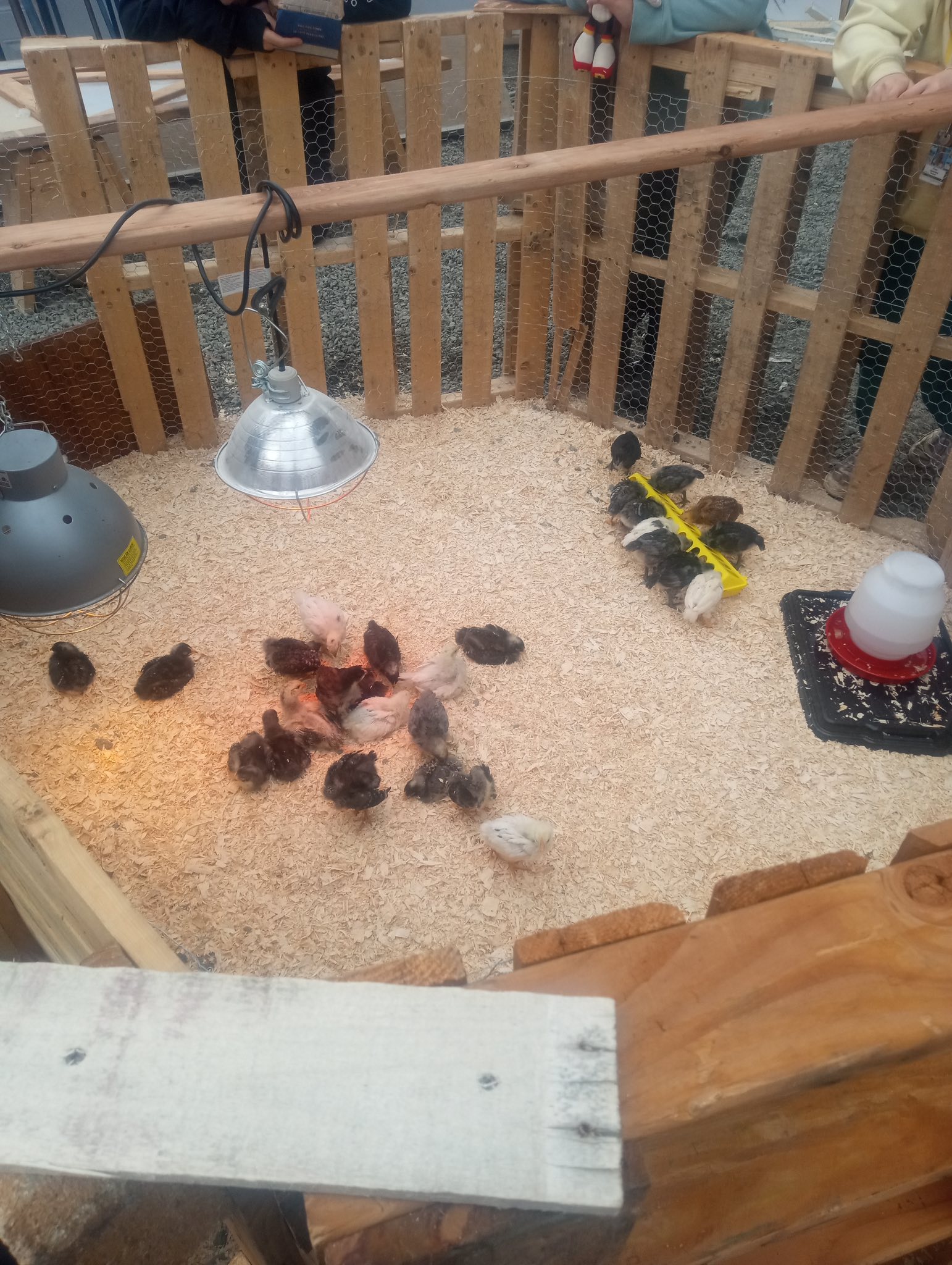
Elsipogtog's greenhouse is currently home to chicks as part of their land-based learning program.
With a well-resourced school and strong land-based learning programs in place, Elsipogtog’s school leaders are already integrating the greenhouse into the school’s curriculum. The school provides meals for over 300 students daily and incorporates cultural teachings into its programming.
Produce from the greenhouse will be used to supplement school meals – an essential resource for students and the locus for lessons on healthy eating. This will help defray the high cost of food in this rural New Brunswick location, one of Canada’s lowest-income communities, where the rising cost of food continues to strain residents and schools alike. Community members must travel to nearby towns or even to Moncton, an hour away, to access fresh food.
Students and teachers are eager to use the greenhouse to expand food literacy and extend their diabetes awareness activities. The greenhouse will also offer a venue for cooking workshops, plant identification, and cultural activities like storytelling and seed exchanges. Community members expressed interest in experimenting with crops that are often unavailable in local stores like herbs, leafy greens, and berries.
The community’s agricultural educator emphasized the value of hands-on growing experiences for nurturing long-term healthy habits. He also highlighted the value of increased communication and collaboration with neighbouring communities to share knowledge and resources.
Growing forward together
Looking ahead, communities hope to expand programming through the greenhouses: hosting more canning and preserving workshops, growing traditional medicines, launching home garden support, and even incorporating hydroponic systems to boost yields. These activities reflect the shared aspirations of all three of the communities whose greenhouses are well underway and serve as a model for the others who are in the planning phases.
A representative from Beardy’s and Okemasis perhaps said it best: “We’re not just growing food. We’re growing a future where our children know how to care for themselves, their families, and the land.”
WANT TO LEARN MORE?
- Your support makes projects like these possible. Donate today to help school nutrition programs reach more children across Canada.
- Visit our National Indigenous History Month Resource Hub
- School Nutrition Programs Take the Edge off High Costs for First Nations Families
- Garden Hill’s journey to food sovereignty
- Cultivating Health and Growth: Launch of the Project Under the Type 2 Diabetes Prevention Challenge with Indigenous Partners


