
May 27, 2026
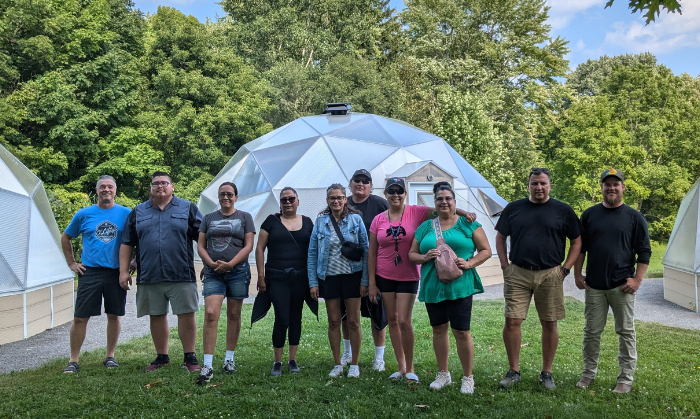
Photo: Delegates from six partner communities; Neyaashiinigmiing (Chippewas of Nawash Unceded First Nation), Beardy's and Okemasis’ Cree Nation, Red Rock Indian Band, Elsipogtog First Nation, Ahtahkakoop Cree Nation, and Waywayseecappo First Nation.
Kinvia wins grand prize and national recognition for supporting Indigenous-led solutions to food insecurity and Type 2 diabetes prevention
Across Indigenous communities, leaders, educators, Knowledge Keepers, youth, and families are advancing community-led solutions that strengthen health, food sovereignty, and well-being for future generations.
On May 20, this work was recognized nationally through the Public Health Agency of Canada’s Type 2 Diabetes Prevention Challenge, where Kinvia was named by the Government of Canada as one of two Grand Prize Winners. Each organization received $1.25 million in funding to continue scaling innovative approaches to Type 2 diabetes (T2D) prevention.
About the Project
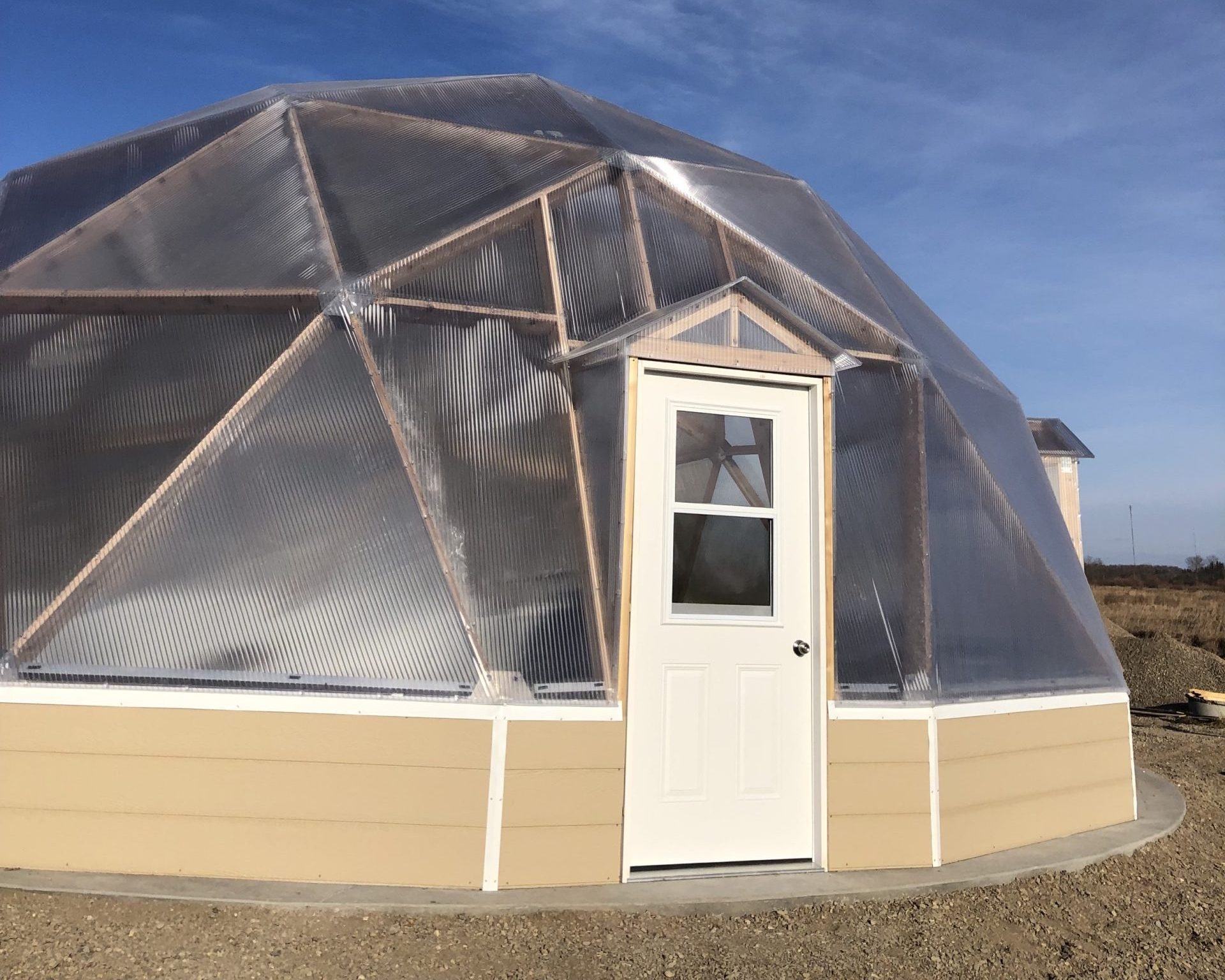
Waywayseecappo First Nation's greenhouse
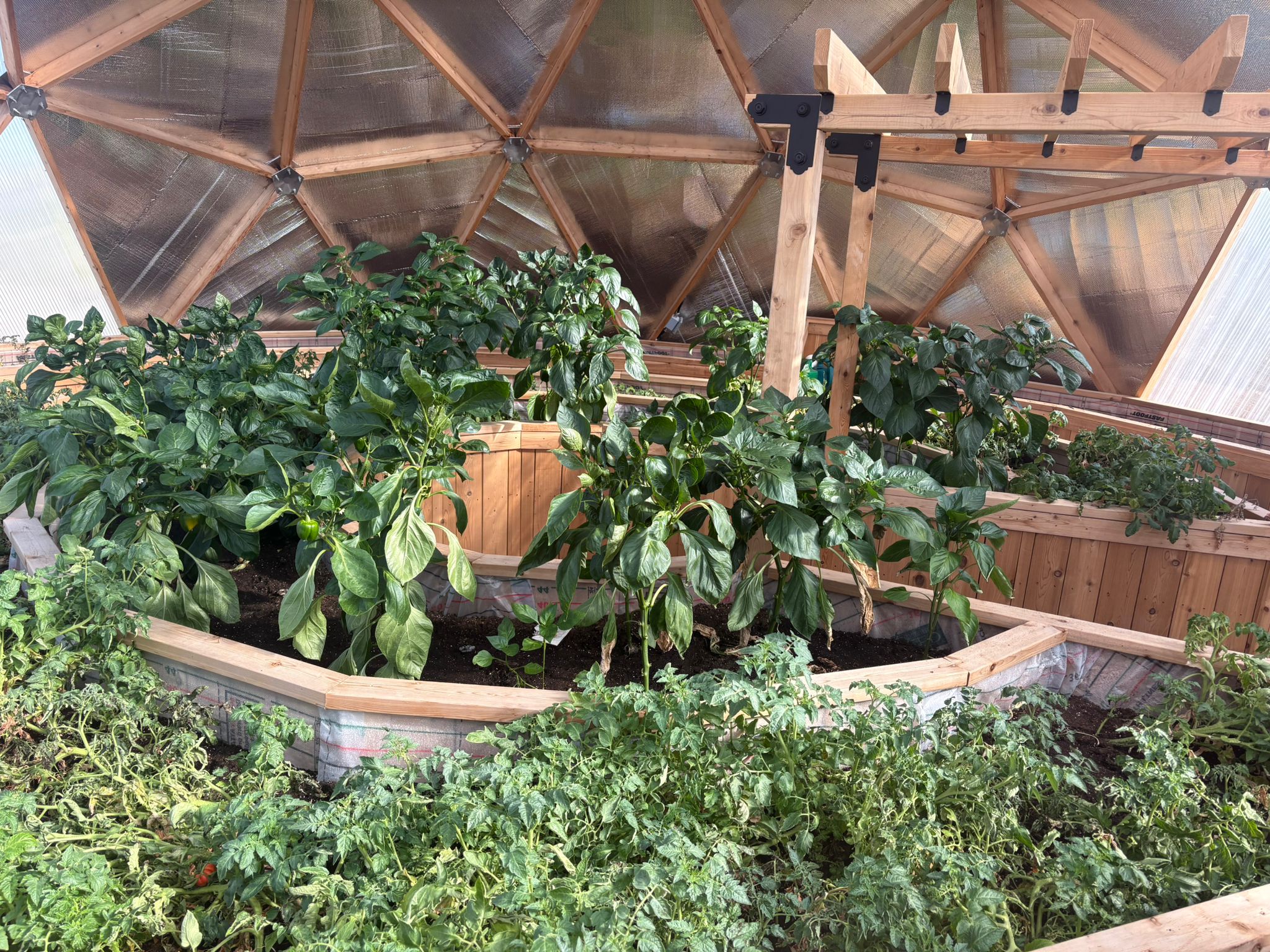
Waywayseecappo First Nation's greenhouse on the inside
Kinvia’s project was initiated in collaboration with six Indigenous partner communities across Saskatchewan, Manitoba, Ontario, and New Brunswick. Together, communities are increasing access to fresh, nutrient-dense food through 365-day greenhouses, land-based learning, nutrition education, and community-led food initiatives.
-
- Neyaashiinigmiing (Chippewas of Nawash Unceded First Nation)
- Beardy's and Okemasis’ Cree Nation
- Red Rock Indian Band
- Elsipogtog First Nation
- Ahtahkakoop Cree Nation
- Waywayseecappo First Nation
This innovation addresses key barriers to T2D prevention, such as limited access to affordable, nutrient-dense foods and short growing seasons. By increasing both the length and yield of the growing season, while also honouring traditional food systems, the project fosters stronger child and community engagement in prevention of nutrition-related diseases such as T2D. The project has built strong foundations for year-round growing and is beginning to demonstrate the impact of this innovative solution.
Addressing the Root Causes of Type 2 Diabetes
T2D disproportionately affects Indigenous Peoples across Canada, shaped by generations of colonial policies, displacement from traditional lands, food insecurity, systemic inequities, and barriers to culturally relevant healthcare.
T2D is a particularly pressing concern, with prevalence among First Nations people living on-reserve at 17.2%, 3-5 times higher than other Canadians, according to Diabetes Canada.
Limited access to affordable fresh produce — particularly in remote and northern communities — continues to impact health outcomes today. High transportation costs, short growing seasons, and geographic isolation make nutritious food difficult to access consistently.
At the same time, Indigenous communities continue to lead powerful, culturally grounded responses rooted in traditional knowledge, food sovereignty, and holistic wellness.
These approaches recognize that health is deeply connected to land, culture, language, relationships, and community.
Community-Led Solutions and Knowledge Exchange
In July 2024, delegates from six partner communities came together, marking the official launch of the project. A space was created for partners to share experiences, priorities, and visions for long-term wellness.
Community voices and lived experiences remain at the centre of this work. Through workshops and engagement sessions, delegates discussed:
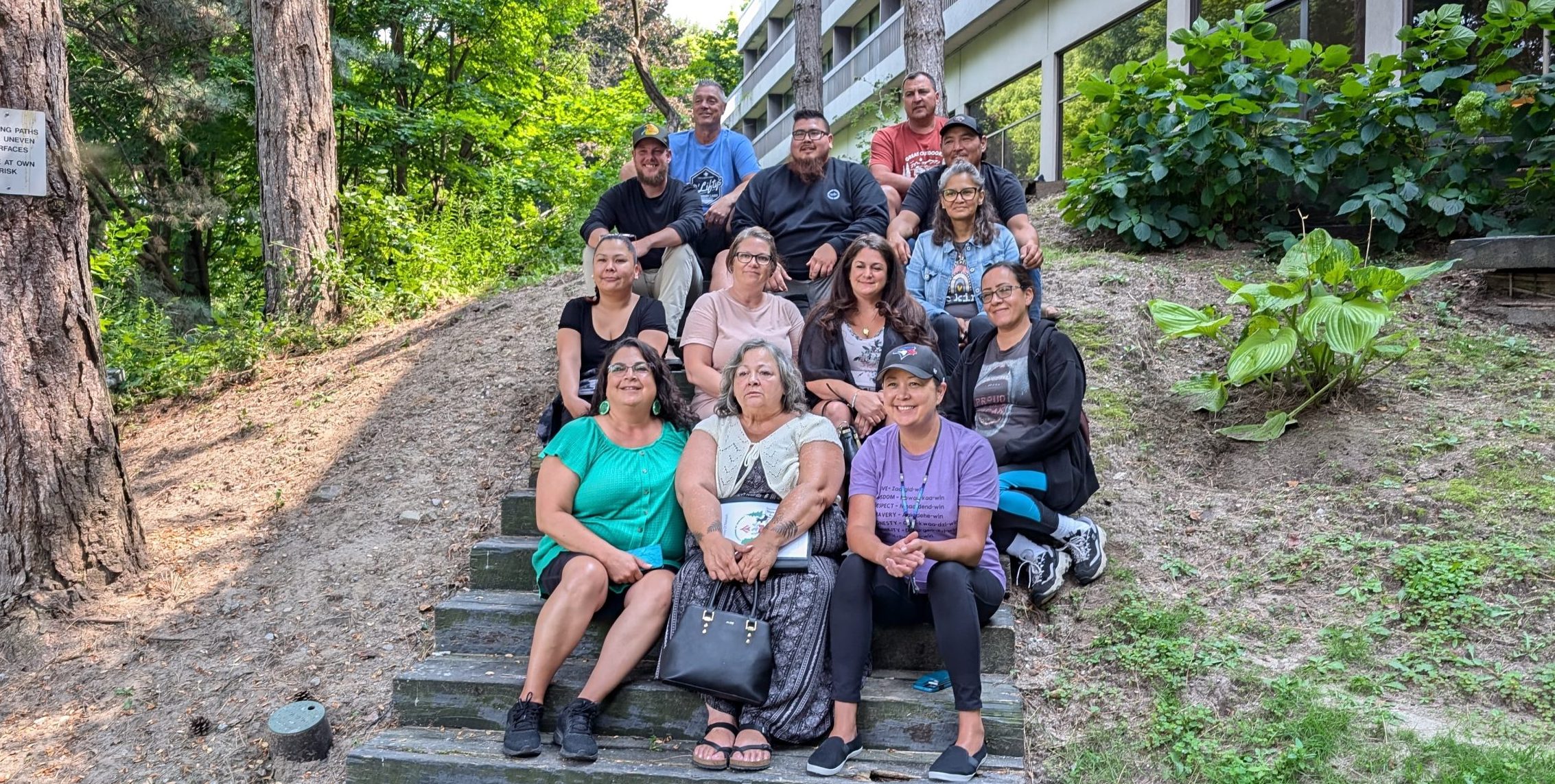
Delegates fom the six communities
- Existing food systems and food security initiatives
- Community visions for diabetes prevention
- Youth engagement opportunities
- Traditional teachings and growing practices
- Long-term sustainability and community leadership
Delegates also visited 365-day greenhouses at the University of Toronto Scarborough campus where they were able to see the final constructed exterior.
Partners continued to stay connected beyond the initial gatherings through an ongoing Facebook group, where community leaders collaborated, shared updates, and supported one another throughout the greenhouse setup and growing process. The group became a space to exchange tips on gardening techniques, discuss challenges, ask for advice, and celebrate progress. This ongoing peer exchange strengthened relationships and enabled continuous knowledge-sharing across communities that will support the project as it continues to grow.
Reconnecting Food, Culture, and Wellness
For many Indigenous communities, food systems have always been deeply connected to identity, relationships, and responsibility to the land.
Before colonization, Indigenous Peoples sustained thriving agricultural, fishing, hunting, and gathering systems built on reciprocity and balance. Traditional foods and medicines supported physical, emotional, spiritual, and community well-being.
Colonial systems disrupted these relationships through forced displacement, Residential Institutions (Schools), government rations, and the erosion of food sovereignty. These ongoing impacts continue to shape health outcomes today.
Yet communities continue to reclaim and strengthen traditional food systems through initiatives grounded in Indigenous leadership and knowledge.
Across the partner communities, projects are taking shape in ways that reflect local priorities, teachings, and strengths:
- Year-round greenhouses
- Food forests and gardens
- Land-based nutrition education
- Traditional medicine gardens
- Youth programming and intergenerational learning
During community visits, Kinvia collected data from members of priority populations on what they would like to see growing and happening in the greenhouse, through interviews, surveys, and an arts-based tool.
“Teaching young children how to grow fruit and veggies in the [greenhouse] and have them there to follow the process of taking care of the plants, harvesting, preparing meals with them,” shared a community member.
“Support hands-on land-based wellness and cultural learning, from seed to table - youth, community, medicine garden workshops for adults and elders," shared a community member.
Youth at the Centre of the Future
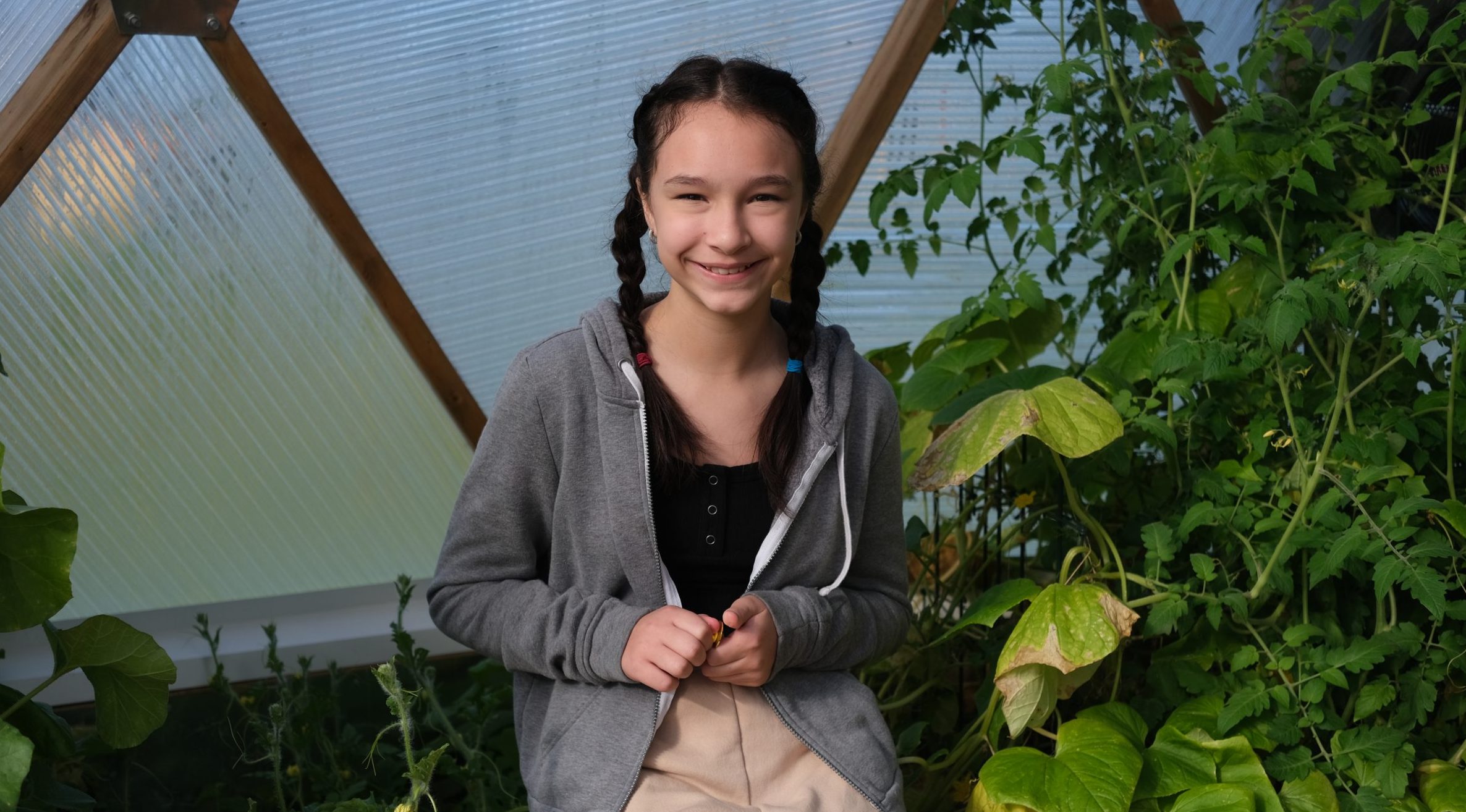
Natoaganeg First Nation (Eel Ground First Nation)
Youth engagement continues to be a central part of the project’s long-term vision.
Many participating communities are creating opportunities for children and youth to learn through hands-on experiences with growing, harvesting, traditional foods, and nutrition education.
"The first thing that was produced by the greenhouse was hope”
These experiences help foster familiarity with healthy foods, strengthen connections to land and culture, and encourage lifelong wellness practices.
Community leaders have shared that some children are tasting fresh vegetables for the first time through these initiatives, moments that demonstrate the importance of culturally grounded food education and access.
What’s Growing
The project has built strong foundations for year-round growing in six communities and achieved meaningful outcomes that will continue to grow. As the project evolved, we worked closely with communities to ensure our goals and measurement approach reflected their priorities and experiences.
Greenhouse setup faced delays due to weather, contractor schedules, and staffing capacity. These are common challenges in the remote Indigenous communities Kinvia works with, where there are fewer contractors available, winter is longer, and people take on multiple roles to support their community. It was a priority to ensure greenhouses were set up correctly, and Kinvia remained responsive to each community’s context and emerging challenges.
These greenhouses are designed to help address barriers connected to Type 2 Diabetes prevention, including limited access to affordable nutritious food and short growing seasons, and became the foundation of the program
The following highlights include project activities completed as of June 2025 and the early impacts and results seen in communities:
- All six communities have greenhouses installed, with one fully set up and four having already started growing and completed their first growing cycle.
- 18 varieties of plants have been grown so far. Current crops include vegetables such as lettuces, tomatoes, peppers, carrots, peas, and Brussels sprouts.
- A total of 67 experiential learning sessions have been delivered, focused on growing, harvesting, cooking, and nutrition education.
Students have been actively engaged across communities through hands-on planting, harvesting, and food preparation activities.
- In Waywayseecappo, 75% of participating students reported learning something new about healthy foods.
- Four communities have already completed their first growing cycle, producing fresh food that is being shared through school meals and community distribution, reaching 155 households and students.
- Communities are continuing to complete interior components such as garden beds, soil installation, and watering systems, while preparing for expanded year-round growing and deeper integration into their school, community and land-based programs.
By strengthening food sovereignty, deepening connections with land and culture, and creating engaging, memorable pathways for nutrition education - supported by Kinvia’s role in partnership-building, measurement, and shared learning - the greenhouse model lays a strong foundation for sustained impact and scaling to other communities across Canada.
Growing Forward Together
"The impact [of the project] extends far beyond food production. These growing spaces have become places of connection, learning, and community strength.
The communities we work with have put their hearts and soul into these greenhouses, extending their knowledge to future generations.”
This work reflects the strength, leadership, and vision of Indigenous Peoples who continue to create innovative pathways toward wellness.
By supporting community-led solutions rooted in Indigenous knowledge, we are helping strengthen food sovereignty, increase access to nutritious food, and create lasting opportunities for future generations.
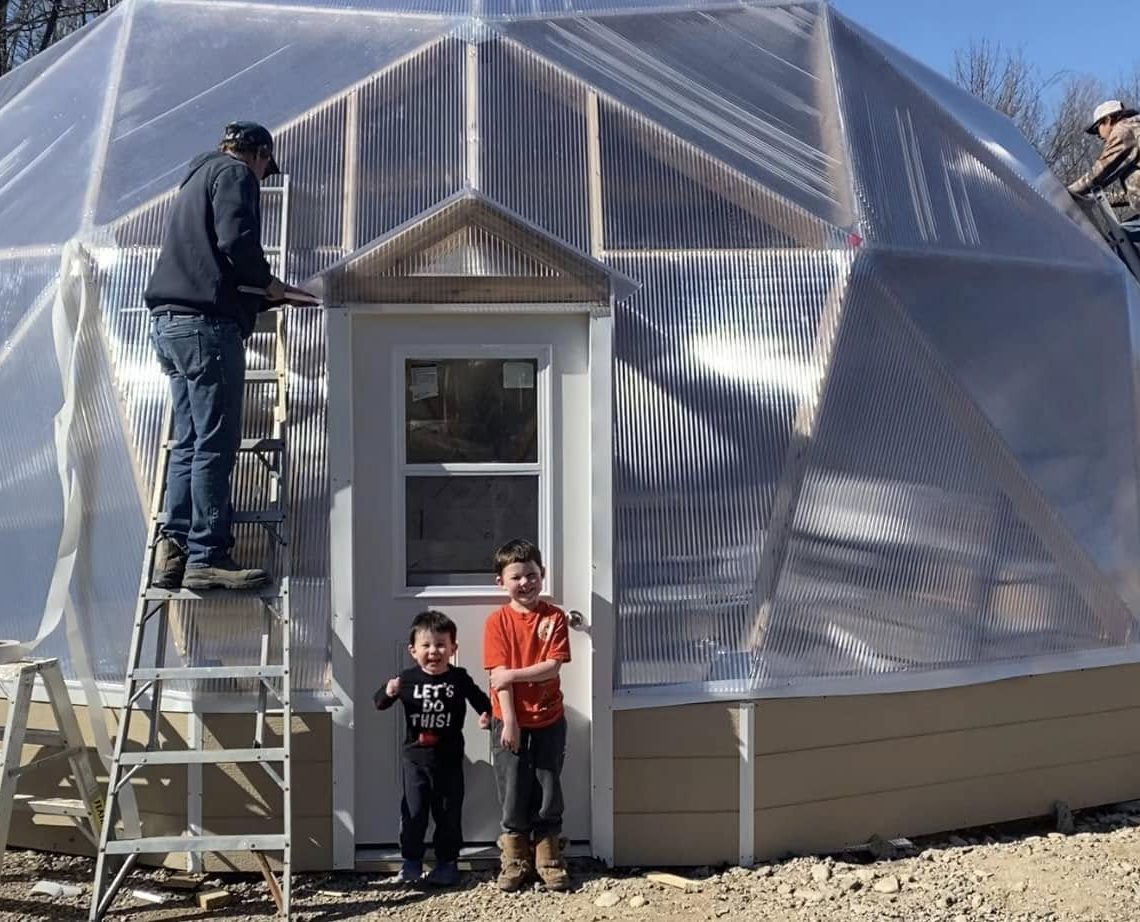
Chippewas of Nawash Unceded First Nation
We are grateful to the communities, partners, Knowledge Keepers, educators, youth, and donors who continue to make this work possible.
And we are thrilled to be recognized by Public Health Agency of Canada, and Impact Canada as the Grand Prize Winner, and trusted for community-led impact that will continue to grow for generations.
Together, communities are building healthier futures grounded in connection to land, culture, and one another.
WANT TO LEARN MORE AND HELP TO PREVENT TYPE 2 DIABETES?
- 🌱 Read the full Government of Canada's press release
- 💚Support Indigenous communities by giving the gift of a greenhouse, Indigenous seeds or a greenhouse heater!
- 📚Learn more about Type 1 and Type 2 diabetes in Indigenous communities
In honour of National Indigenous History Month, your support makes twice the impact! All donations are matched 2X until June 30, 11:59 pm.
DONATE


