
June 16, 2025
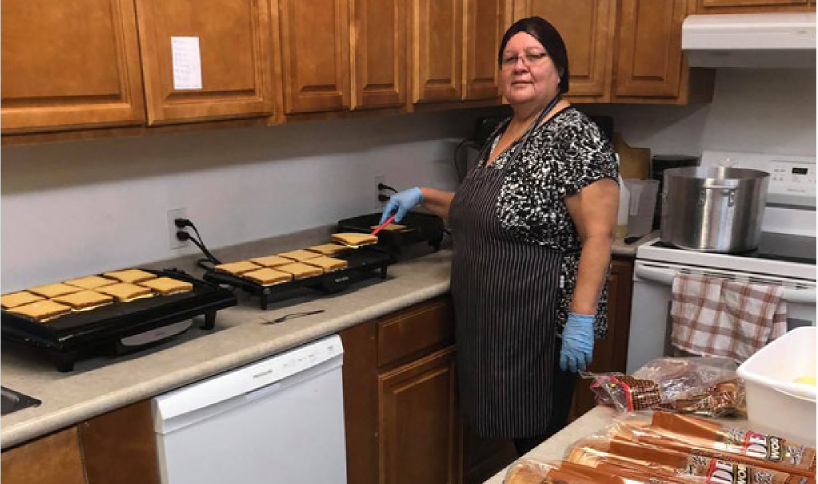
Photo: O-Chi-Chak-Ko-Sipi
Inflation has placed an extraordinary burden on Canadian families, but its impact on Indigenous Peoples has been particularly acute. For First Nations families on reserve, who already experience the highest rates of poverty among any group in Canada, the rising cost of food exacerbates an already challenging situation.
School nutrition programs: A lifeline
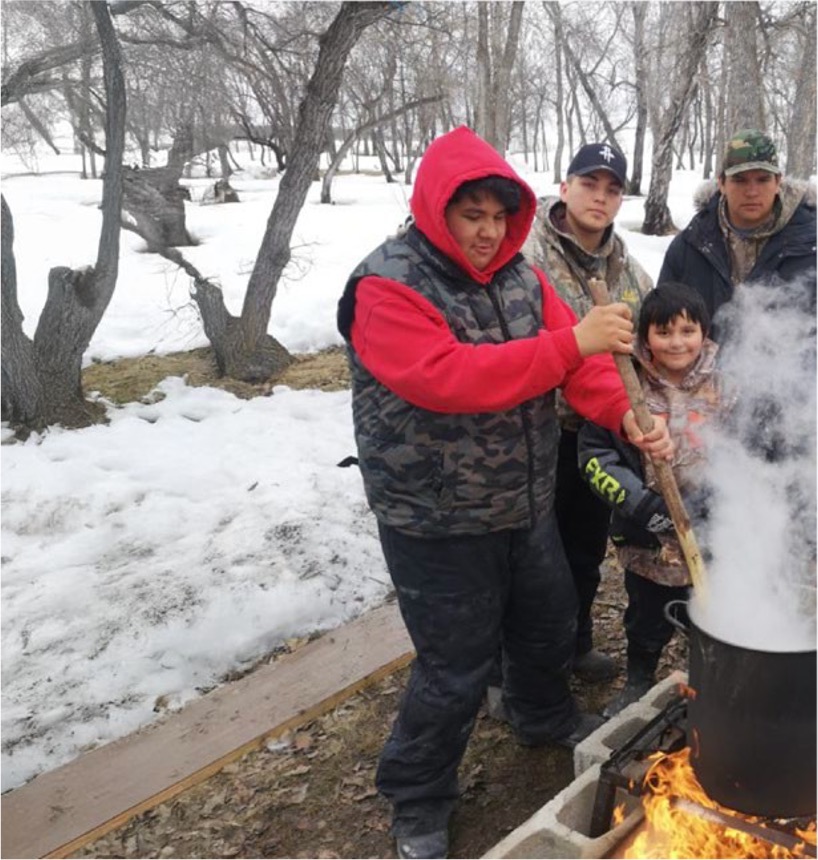
Youth participating in land-based education activities in O-Chi-Chak-Ko-Sipi
For members of O-Chi-Chak-Ko-Sipi First Nation, a Saulteaux Ojibway First Nation located 225 kilometres northwest of Winnipeg in Treaty 2 territory, the school nutrition program has become a vital lifeline. “The program has helped us to keep raising the standards of education in the community by providing children the opportunity to learn without the barrier of coming to school hungry,” says principal Andrew. “Students are eager to come to school knowing they will get a proper and healthy lunch.”
O-Chi-Chak-Ko-Sipi, like other schools, has observed measurable benefits from its school nutrition program, including improved student behaviour, focus, and attendance. “You can see the changes in attitude of the kids. They seem to be less disruptive and stay focused on their work,” Andrew adds.
Economic relief for families
School nutrition programs do more than just alleviate hunger – they offer families economic relief. “With the price of everything going sky high, there are families that struggle with food, especially those with more than two children,” Andrew says. He believes that O-Chi-Chak-Ko-Sipi’s school nutrition program “is a way of helping out families in the community who struggle in providing support to their family.”
While food inflation is stabilizing across the country, the cost of food remains a significant challenge not just for families in these communities, but for those responsible for running school nutrition programs.
Making school food funding go further
Funding shortfalls and capacity issues are common among many communities and these result in school staff needing to make difficult choices to maintain the quality, quantity, and diversity of food provided to students. O-Chi-Chak-Ko-Sipi shared that they are constantly innovating to ensure that they can serve food that is not only nutritious but also something their students will enjoy eating.
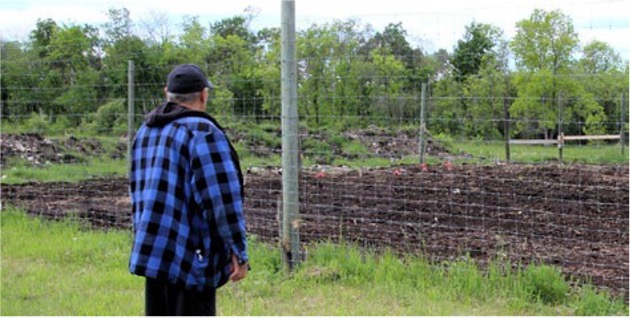
Community member visiting O-Chi-Chak-Ko-Sipi's school garden
School nutrition programs represent a piece of the larger puzzle of food security and food sovereignty. At O-Chi-Chak-Ko-Sipi — and in many other remote and northern communities — food programming is expanding beyond meals to include growing food locally and reclaiming traditional food practices.
Almost every school that Kinvia partners with has a garden that provides food for the school as well as a learning environment for the students. Increasingly, remote and northern communities, like O-Chi-Chak-Ko-Sipi, are using indoor growing towers and greenhouses to ensure year-round availability of fresh fruits and vegetables, which are otherwise priced out of reach for many families.
Growing food heals the body and soul
This shift from short-term nutrition to longer-term food sovereignty is part of a broader movement across Indigenous communities — one that connects children and youth back to land, culture, and self-sufficiency through land-based education.
“We want our students, staff, and community members to connect back to the earth and to tap into their ancestral knowledge and develop their gifts in this area,” says Terri Ann, principal at Natoaganeg in New Brunswick, which faces many of the same challenges as O-Chi-Chak-Ko-Sipi.
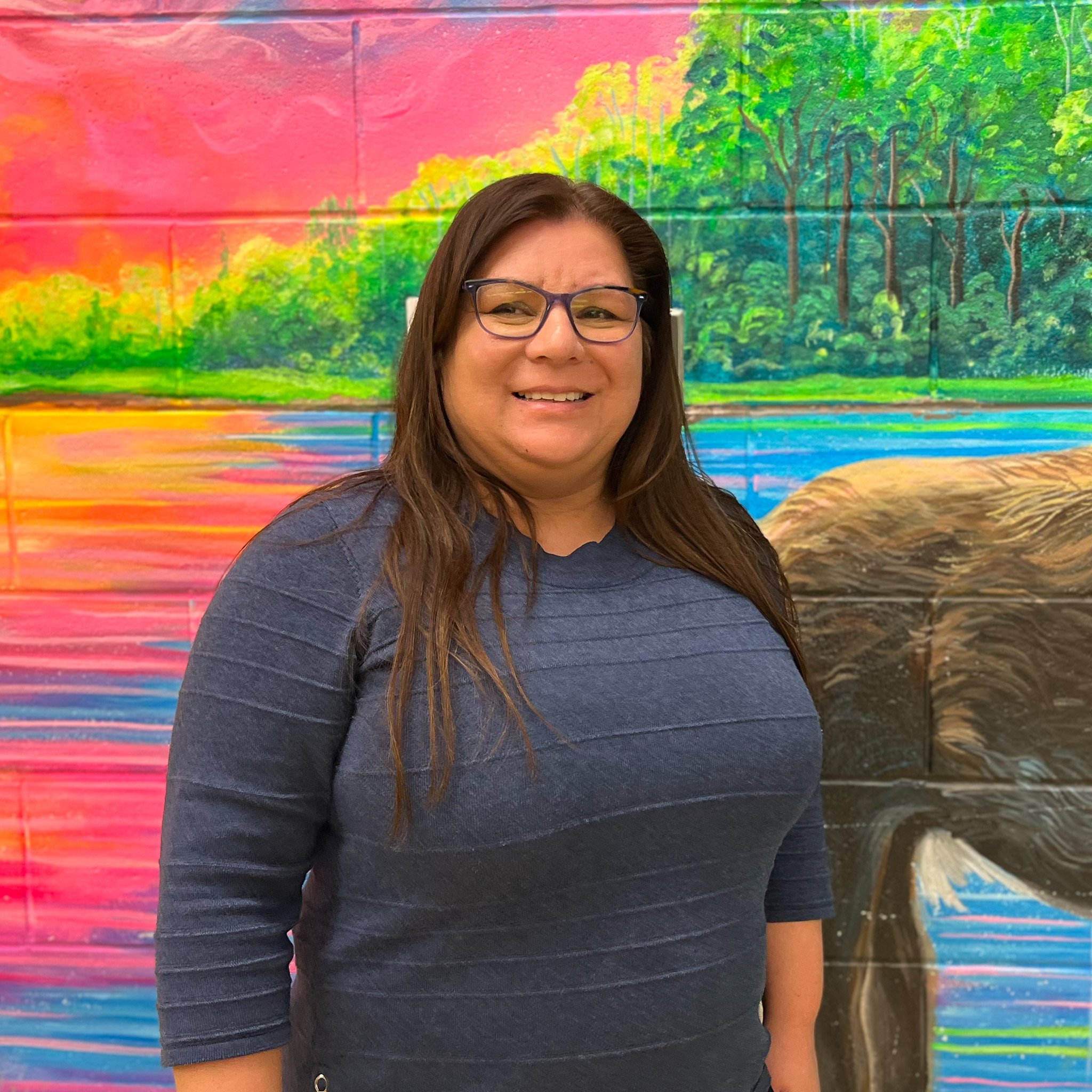
Every time I see a student developing a love for growing, I feel that it helps to undo the harms of this knowledge being taken from us by Residential Schools and colonization.
“Seeing photos of children's faces light up as they pick fresh peas for the first time, or families utilizing produce grown right in their own community, is an incredibly rewarding experience,” says Rodney, who works with the Meechim Farm project at Garden Hill First Nation, an Oji-Cree fly-in community located 475 kilometres northeast of Winnipeg in Treaty 5. He adds, “These snapshots capture the tangible impact of the project and reaffirm the importance of providing access to healthy food options. They also illustrate the project's role in fostering a sense of community pride and self-sufficiency.”
Programs like these – rooted in traditional knowledge and led by the communities themselves – show how school food can be a starting point for much more. School nutrition programs that incorporate traditional food practices and land-based education not only help alleviate child hunger and provide financial relief to parents, but can also contribute to longer-term, self-defined social and economic goals. For communities like O-Chi-Chak-Ko-Sipi, these efforts are helping to build a future that’s healthier, more resilient, and grounded in food sovereignty.
WANT TO LEARN MORE?
- Your support makes projects like these possible. Donate today to help school nutrition programs reach more children across Canada.
- Visit our National Indigenous History Month Resource Hub
- Garden Hill’s journey to food sovereignty
- Cultivating Health and Growth: Launch of the Project Under the Type 2 Diabetes Prevention Challenge with Indigenous Partners


