
December 10, 2025

Photo: Uganda
In 2025, many of the life-changing impacts made possible by Kinvia supporters began with community-led education around food production and self-sufficiency. Tailored to the specific challenges and means of local community members, each program was unique. But they all had one thing in common.
Each set in motion a cascade of transformation and nourishment – from hunger relief for children, to the creation of pathways out of poverty, to the achievement by communities of sustainable means and methodologies to build a healthier and more food-secure future.
In rural Uganda, harvest yields have improved significantly thanks to community-led agricultural education and training – made possible by Kinvia supporters and local partners.
Recognizing that local farmers lacked sufficient strategies and resources to overcome the harsh effects of climate change, the community came together to develop knowledge and training in modern agronomic practices.
Volunteers learned about farming methodologies designed for a changing climate, then trained and educated local farmers. In keeping with the needs of the community, the program covered locally accessible, inexpensive ways to make soil more productive and erosion resistant, and to protect crops from the devastating effects of pests, weather, and dry spells.
Jennifer is one of the many Ugandan farmers who participated in the program and integrated climate-smart techniques into their traditional agricultural practices.
The effect on her family’s harvests has been life changing. Their yields became more productive, giving Jennifer more homegrown ingredients with which to feed their six children.
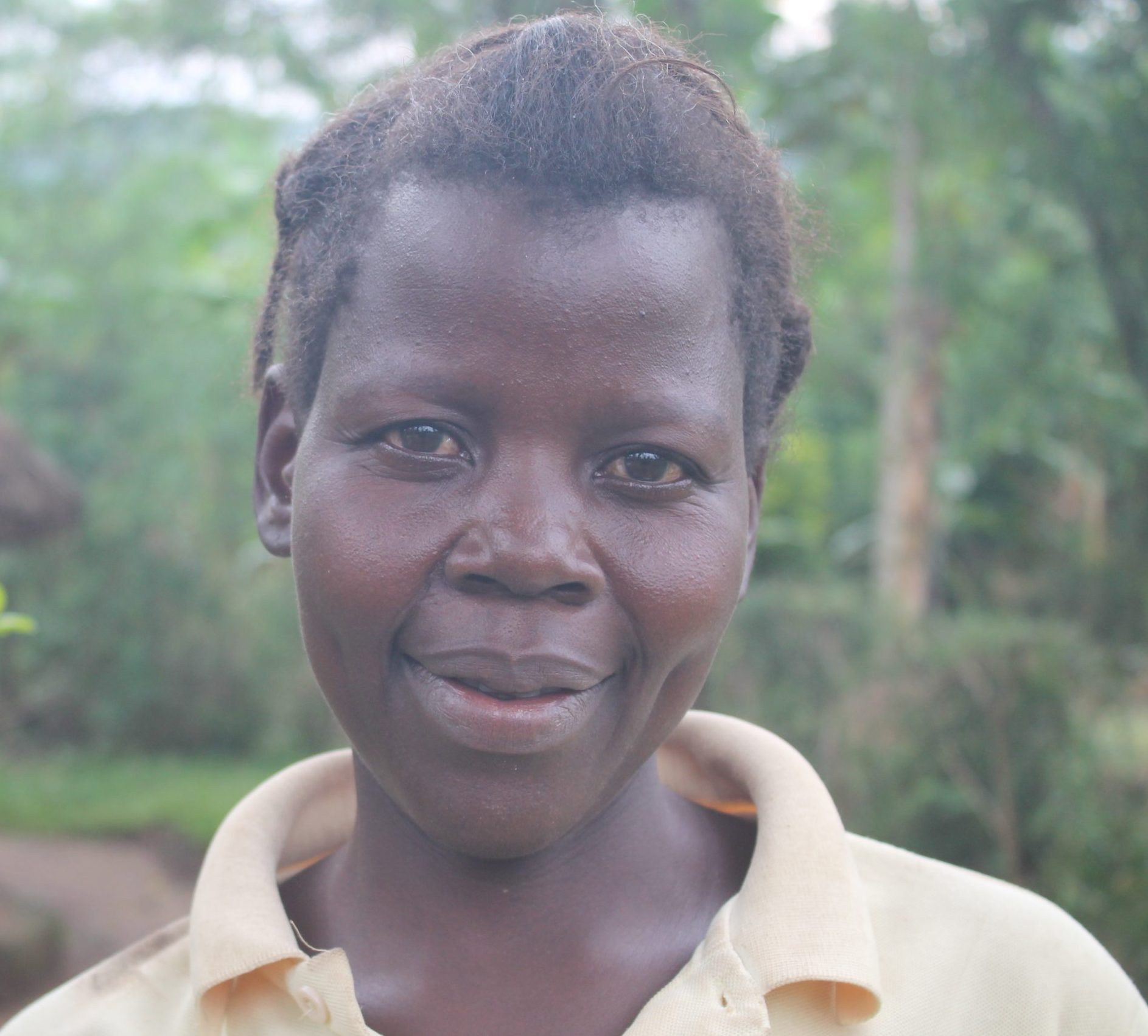
I never lack what to eat at home, season after season.
The quality of their crops improved, enabling Jennifer to command higher prices for produce grown on the farm. The enhanced income from market sales helps the family pay for school and healthcare, enabling them to build the foundations of a brighter future for their children.
Rather than worrying whether their livelihood could survive the challenges of the changing climate, they now face the future with concrete strategies for success and self-sufficiency. With the stress of food insecurity eased, Jennifer and her husband can devote more energy to sharing knowledge and nurturing family bonds.
Their children are growing increasingly well-nourished in body and mind – a boost for their 12-year-old son Jackson’s dreams of becoming a teacher. Jackson now has the focus to listen and learn in school, as well as at home. He can do farmwork without tiring easily and enjoys listening to his father’s stories as they work side by side.
We celebrate the great strides made by Jennifer’s family and local farming communities in Uganda. And we recognized that communities and families throughout the world continue to face food insecurity and poverty.
Globally, 2.3 billion people still don’t have enough safe and nutritious food. In Canada, one in eight families struggle to put food on the table – and the cost of groceries continues to rise.*
In these hard times, your gifts are a nourishing lifeline for families and children.
Give Now
In Indigenous communities in northern Canada, environmental change threatens to put food availability and affordability out of reach. It adds to longstanding existing challenges, from short growing seasons to economic inequities. It affects transportation methods, making food from outside sources more expensive, while also hindering hunting and fishing practices in traditional territories.
Within these difficult circumstances, the school nutrition program at O-Chi-Chak-Ko-Sipi First Nation in Treaty 2, northwest of Winnipeg, Canada, has become an invaluable support.
Made possible by our supporters, the program provides healthy meals for children. Along with relieving daily hunger, it enables the development of solid educational foundations.
“The program has helped us to keep raising the standards of education in the community by providing children the opportunity to learn without the barrier of coming to school hungry.”
The school nutrition program in Esgenoôpetitj First Nation, a Mik’maq Nation in northern New Brunswick, has also become a critical source of nutrition for the community – so much so, that children are given food to take home to sustain them over the holidays.
In Esgenoôpetitj, as in many other Indigenous communities, the need to quell children’s hunger with nutritious meals is immediate and relentless. Yet, items purchased for the community’s nutrition program have doubled in price.
Your support is urgently needed to protect and extend such vital programs – to ensure that children never go hungry, and to enable them to experience greater food security in 2026.
On top of daily needs, Esgenoôpetitj First Nation continues to pursue sustainable food sovereignty. The community’s multi-layered programming weaves together the strengths, knowledge, and needs of the community’s children, youth, adults, and Elders – with committed Kinvia supporters accompanying them on their journey.
The programs preserve and expand understanding of traditional Indigenous knowledge and ways, including a commitment to land stewardship. They help youth develop the skills to nourish their own bodies, minds, and spirits, and to become future leaders. Through Esgenoôpetitj’s Brighter Futures program, youth are learning how to hunt, fish, and trap.
At school, children learn how to grow plants from seed. Cooking classes help them gain skills and confidence in the kitchen – and experience the proud achievement of being able to nourish themselves and others.
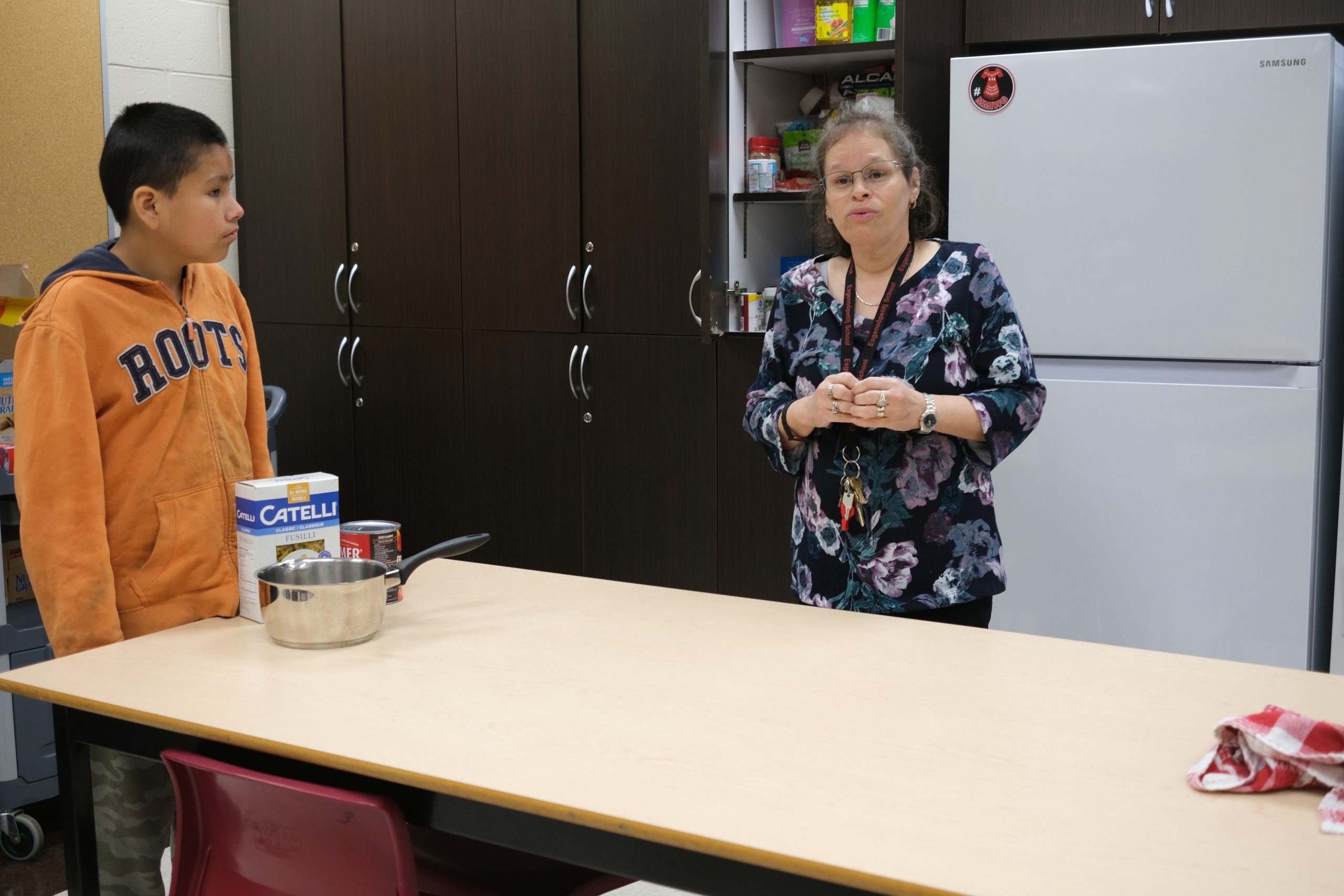
Many of these children don’t have enough to eat at home, so they’re at least eating good, healthy meals here at school, and ones that they’ve prepared themselves.
At home, parents have been growing their own produce for family meals. When they were offered pre-made garden beds, the response was overwhelming. “We gave away 100 garden beds (with soil) to our community members,” says Helen Joe, a band councillor and coordinator of the program.
The community’s multi-layered programming also includes support for families facing inflation and skyrocketing grocery costs.
In Waywayseecappo First Nation (Treaty 4, Manitoba), Beardy’s and Okemasis’ Cree Nation (Treaty 6, Saskatchewan), and Elsipogtog First Nation (New Brunswick), new greenhouses are enabling each community to strengthen its local food systems and expand the possibilities for its food and health programs – which include land-based education initiatives, nutrition programs, and community gardens and food forests.
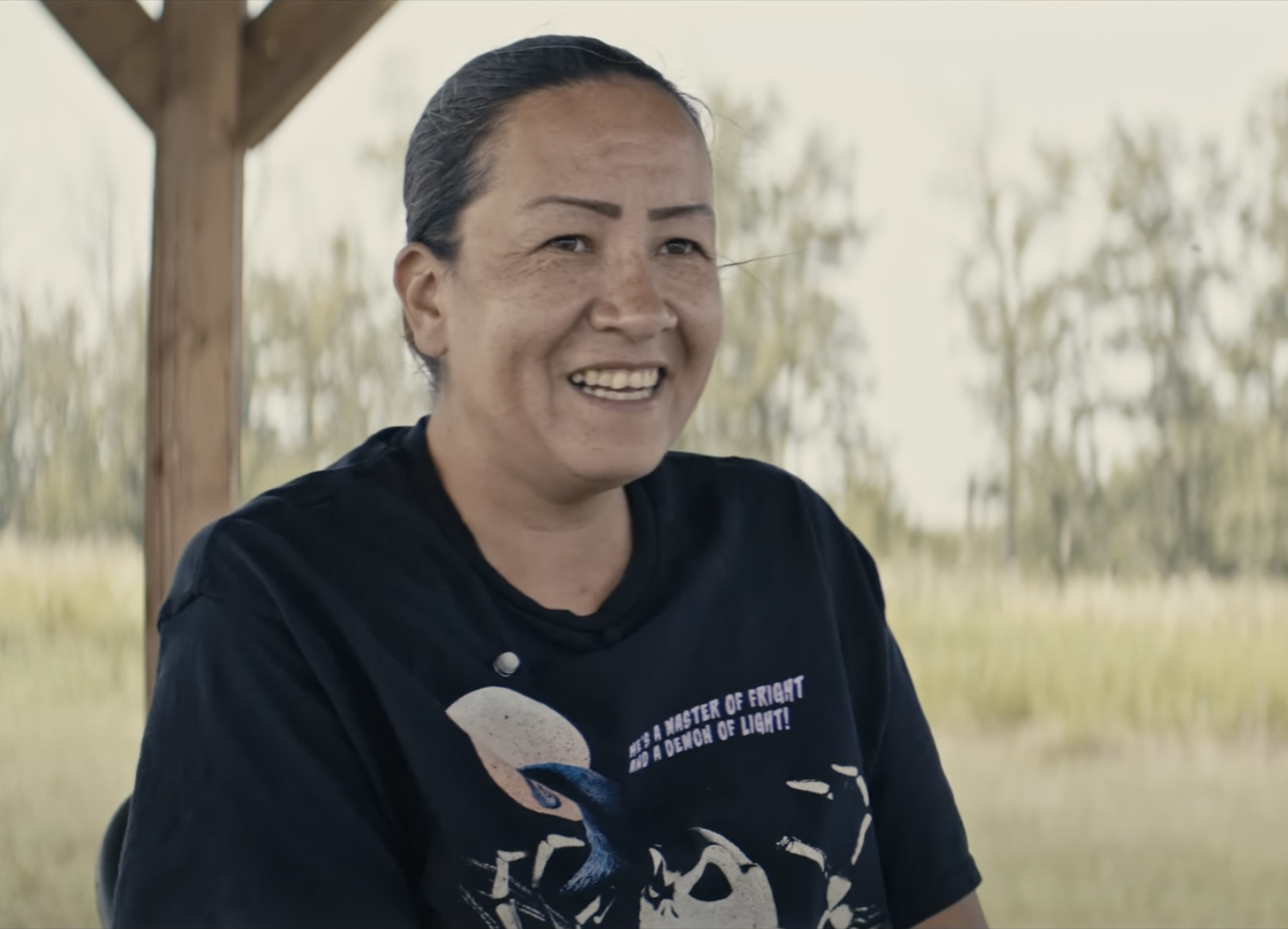
We’re not just growing food. We’re growing a future where our children know how to care for themselves, their families, and the land.
Custom-built in the first half of 2025, the greenhouses are suitable for 365-day gardening in northern climates. They will provide fresh fruit and vegetables all year round, helping these communities tackle high rates of Type 2 diabetes and improve health outcomes.
In Beardy’s and Okemasis’ Cree Nation, food from the new greenhouse will be offered to schools, Elders, and families. Traditional medicines will also be planted and nurtured, contributing to community members’ efforts to re-engage with the land and traditional practices.
These are just a few of the hundred communities where Kinvia supporters helped relieve hunger, poverty, and food insecurity in 2025.
Reflecting on the transformations you made possible in the passing year is a joy of the holiday season. Through your gifts, more children are nourished with healthy food, staving off hunger and helping them thrive. More families break cycles of poverty. More communities educate their members and strengthen their future by taking meaningful steps toward sustainable food solutions.
To nourish more families, more children, and more futures, renew your commitment with a special gift before the new year. The gifts you give this holiday season will be matched.
*According to 2024/2025 edition of The State of Food Security and Nutrition in the World (SOFI), globally, 2.3 billion people still don’t have enough safe and nutritious food.
*Household food insecurity in Canada is measured by Statistics Canada using the Household Food Security Survey Module (HFSSM) on the Canadian Community Health Survey (CCHS).
WANT TO LEARN MORE AND SUPPORT INDIGENOUS-LED FOOD SOLUTIONS?
-
Discover more about the incredible impact of your generous gifts. Read about how Kinvia supporters transform the future for children and communities around the world.
-
This holiday season, donate to help more community-led projects. Your support provides hunger relief, helps families facing food insecurity, and breaks cycles of poverty.
-
Give this holiday season – each dollar of your donation will be matched.


